Jalisco: Tequila, Mariachi, and the Pacific Coast
Travel guide · editorialMuch of what the world considers typically Mexican comes from Jalisco: tequila, mariachi music, the wide-brimmed sombrero of the charros. A vacation in the state of Jalisco combines the colonial city of Guadalajara with blue agave fields in the highlands and the beaches of Puerto Vallarta on the Bahía de Banderas.
From the Highlands to the Pacific
Jalisco stretches from its roughly 340-kilometer (210-mile) Pacific coastline deep into the central highlands. Between the two lie the foothills of the Sierra Madre Occidental and the volcanic belt, whose Volcán de Fuego on the border with Colima is among the most active volcanoes in the country. Southeast of Guadalajara lies Lake Chapala, Mexico's largest inland lake. On its northern shore, many retirees from North America have settled in Ajijic and Chapala over the decades, drawn by the mild climate. To the north lies the mountain homeland of the Wixárika (Huichol), whose colorful yarn paintings and figures covered in tiny glass beads can be found at many markets.
Guadalajara and Its Neighboring Cities
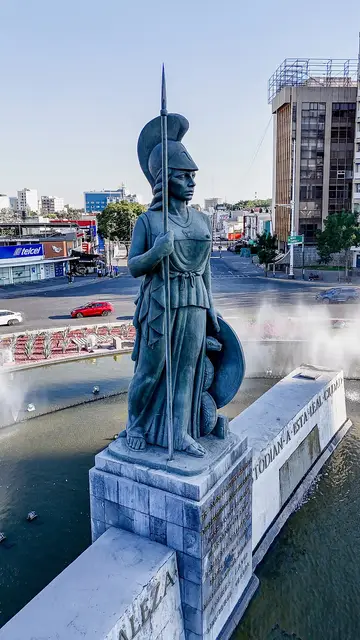
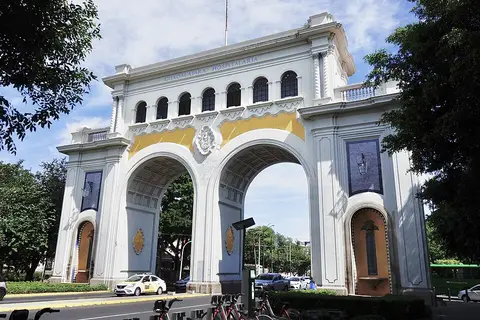
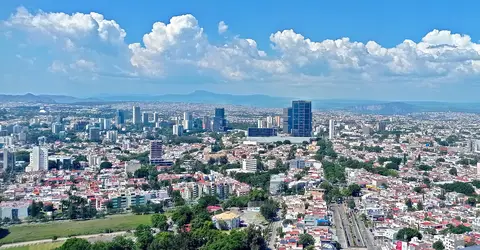
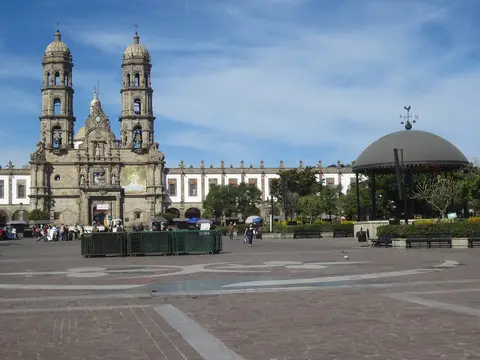
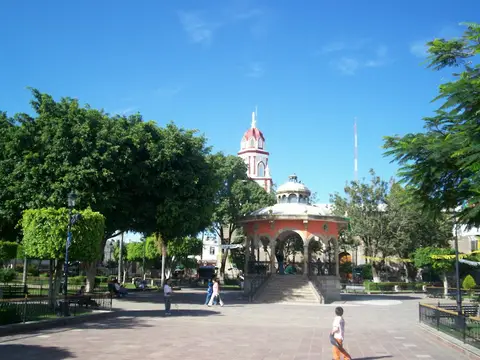
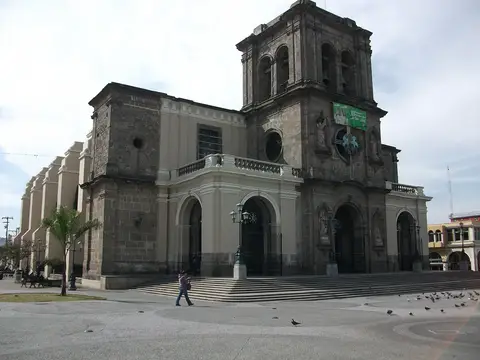
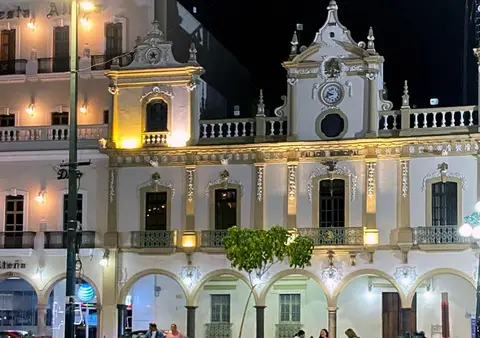
With a metropolitan area of around five million people, Guadalajara is Mexico's second-largest urban region. The center is arranged in the shape of a cross of plazas around the cathedral with its yellow twin towers. In the Hospicio Cabañas, a neoclassical orphanage and now a World Heritage Site, José Clemente Orozco's fiery murals arch over the chapel. Zapopan, the neighboring city to the west, is known for its basilica and its modern residential and business life; the storied club Chivas plays its home games here at Estadio Akron. To the south, Tlaquepaque beckons with handicraft shops, galleries, and the mariachi plaza El Parián, as does Tonalá, where a huge pottery market takes place on Thursdays and Sundays. Ciudad Guzmán in the south is the birthplace of the painter Orozco and the gateway to the Nevado de Colima.
Sights in Jalisco
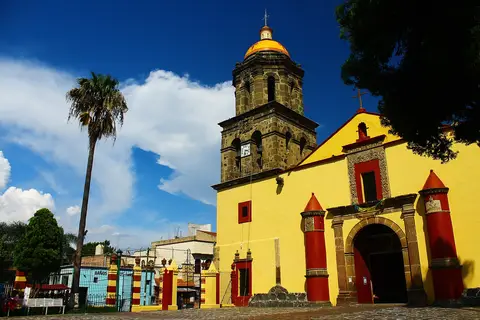
Around 60 kilometers (37 miles) northwest of Guadalajara, the town of Tequila sits amid an agave landscape protected by UNESCO as a World Heritage Site. Distilleries such as La Rojeña open their doors for tours, and on weekends an excursion train, the José Cuervo Express, runs through the blue-green fields. Near Teuchitlán, the circular pyramids of Guachimontones, remnants of the Teuchitlán culture, are a surprising sight. In the Los Altos highlands, places such as San Juan de los Lagos with its pilgrimage basilica or Tapalpa in the mountains preserve a village atmosphere. Mountain villages such as Mascota and San Sebastián del Oeste, once mining settlements, are now Pueblos Mágicos and popular destinations for day trips from the coast.
Puerto Vallarta and the Coast
Puerto Vallarta became famous in the 1960s, when John Huston filmed "The Night of the Iguana" here. Today the city is one of Jalisco's major destinations, with a lively waterfront promenade, the Malecón, bronze sculptures, and the white church of Nuestra Señora de Guadalupe with its crown-shaped dome. South of the city, the Sierra drops steeply into the sea, and small coves such as Yelapa can only be reached by boat. From December to March, humpback whales come to the Bahía de Banderas. Farther south along the Costalegre, things get quieter: Barra de Navidad and Melaque are relaxed beach towns with seafood restaurants right on the sand.
Food and Drink
Jalisco's cuisine is hearty. Birria, goat or beef braised in a chile broth, is a popular breakfast in Guadalajara. The torta ahogada, a crusty roll filled with pork and drowned in tomato and chile sauce, is the city's culinary landmark. Pozole rojo, carne en su jugo, and sweet jericalla round out the picture. With tequila, people like to drink sangrita or a cantarito, a citrus mixed drink served in a clay cup. Raicilla, a smoky agave spirit from the Sierra around Mascota, is winning more and more fans.
Getting There and Best Time to Visit
Guadalajara's airport (GDL) is one of the most important in the country, and Puerto Vallarta (PVR) has direct international flights. Long-distance buses connect the two cities in about five to six hours; in Guadalajara, light rail lines make getting around easier. The best time to visit is between November and May, when it is dry and sunny. In September, Guadalajara celebrates the International Mariachi Conference, and in October the procession of the Virgen de Zapopan draws hundreds of thousands of people. Safety advisories apply to some rural regions and should be checked before any trips off the beaten path.