Discover Pachuca: Pastes, Soccer, and Silver
Travel guide · editorialA clock tower in the middle of the square, pasties made from an English recipe, and the sport of soccer, first played in Mexico right here: Pachuca de Soto, the capital of Hidalgo, is a mining town with British roots. A trip here pairs well with a day trip from Mexico City.
Silver and Miners from Cornwall
The silver mines of Pachuca and nearby Real del Monte were among the richest in New Spain during the colonial era. In the 19th century, a British company brought miners from Cornwall to the highlands, and they brought along steam engines, Methodist churches, and their cooking. The Cornish pasties became pastes, today the city's culinary symbol. The English also played soccer, and Pachuca is considered the cradle of the sport in Mexico; Club Pachuca, founded in 1901, is one of the oldest in the country. Because of the often strong wind blowing down from the mountains, the city goes by the nickname "La Bella Airosa."
Sights in Pachuca
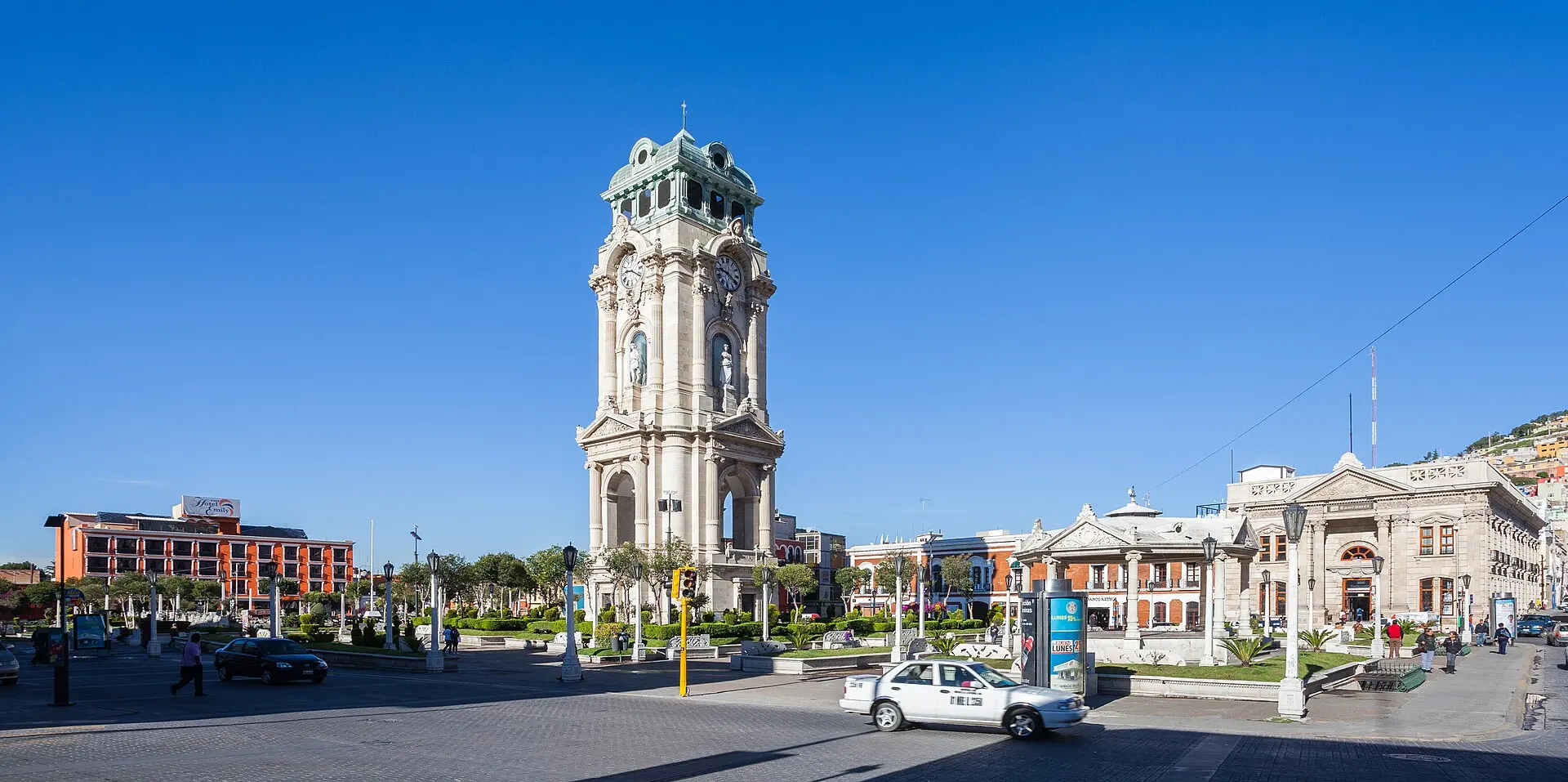
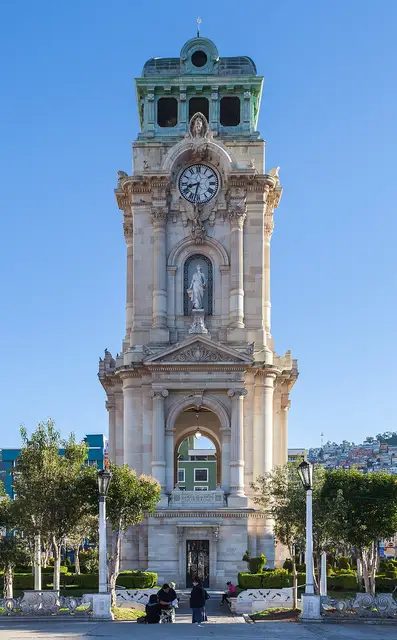
The city's landmark is the Reloj Monumental on Plaza Independencia, a 130-foot-tall clock tower dedicated in 1910 for the centennial of independence; its clockwork came from England. The former San Francisco convent houses the Centro Cultural Hidalgo, home to the Fototeca Nacional, the national photo archive, and a museum of photography. The Museo de Minería tells the story of the mines in a historic building. High above the city, the colossal Cristo Rey statue stands on Cerro de Santa Apolonia, offering views over the rooftops and mining slopes. The Estadio Hidalgo is home to the Tuzos, as the local players are called. Right next door, the Salón de la Fama, a soccer hall of fame, displays jerseys, trophies, and stories of the great players. In the evening, a stroll through the steep, colorful alleys around the center is well worth it, where the miners' houses cling tightly to the hillsides.
Eating in Pachuca
Today pastes are filled with potatoes and meat following the original recipe, but also with mole, tinga, beans, or pineapple. Every bakery has its own version, and in October the region celebrates the Festival Internacional del Paste. Hidalgo is also known for lamb barbacoa, slow-cooked in an earth oven wrapped in agave leaves and traditionally eaten on Sundays. Escamoles (ant larvae) and chinicuiles (maguey worms) are seasonal delicacies. Pulque is still made the traditional way in the surrounding area, and in some of the city's pulquerías you can get it plain or as a curado flavored with fruit. If you have a sweet tooth, try pan de pulque or sweets from Real del Monte. The restaurants around Plaza Independencia serve regional cuisine at fair prices, many of them in buildings dating from the mining era.
Getting Around, When to Go, and Excursions
Pachuca is about 56 miles northeast of Mexico City; buses run regularly from the Terminal Norte. AIFA Airport (NLU) is closer than the main Mexico City airport. In the city, the Tuzobús, a bus rapid transit system, is available. The best time to visit is between October and May; at an elevation of 7,900 feet, nights can be cool. Excursions lead to Real del Monte, a Pueblo Mágico with a mining museum and an English cemetery, to Huasca de Ocampo with the basalt prisms of Santa María Regla, and to the Peñas Cargadas in El Chico, a national park with rock formations and forests. Pachuca is considered relatively safe, but the usual precautions still apply.