

Baja California: Border Cities, Wine Country, and the Pacific
Travel guide · editorialBaja California, officially the state of Baja California, is the northern part of the long peninsula between the Pacific Ocean and the Gulf of California. A vacation in Baja California combines the lively border city of Tijuana with wineries in the Valle de Guadalupe, surf beaches, and nearly empty deserts farther south.
Desert, Mountains, and Two Seas
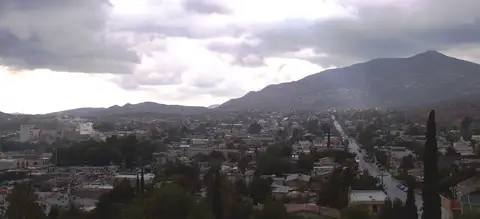
The state stretches from the U.S. border to the 28th parallel, where Baja California Sur begins. A mountain ridge runs the length of the peninsula, reaching over 3,000 meters (about 9,800 feet) at Picacho del Diablo in the Sierra de San Pedro Mártir. To the west, the Pacific cools the climate, and morning fog and fresh breezes are typical. East of the mountains lies the hot basin of Mexicali, where summer temperatures well above 100°F are nothing unusual and the Colorado River Delta empties into the Gulf of California. Farther south, in the Cataviña Desert, house-high cardón cacti and bizarre cirio trees grow among rounded granite boulders.
Tijuana, Mexicali, and the Coastal Towns
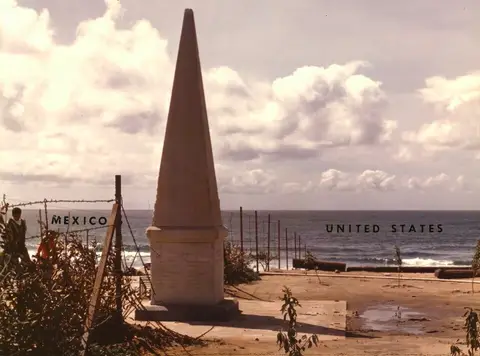
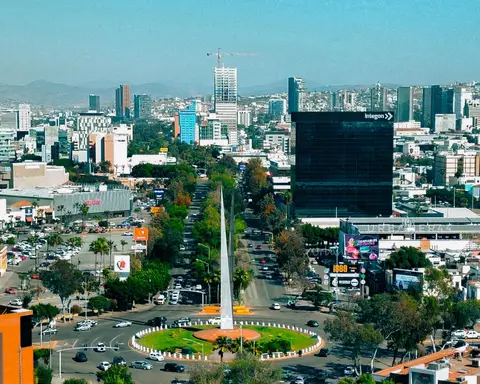
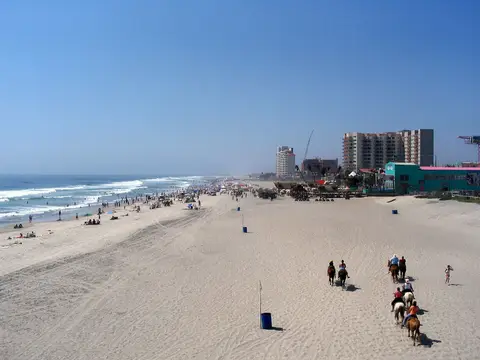
Tijuana is considered one of the most visited border cities in the world. Avenida Revolución, with its bars and souvenir shops, is the old center; more exciting today are the craft breweries, markets like the Mercado Hidalgo, and the cultural scene around the Centro Cultural Tijuana with its spherical dome. The state capital, Mexicali, is an industrial and agricultural city with a surprisingly large Chinese community, whose restaurants in La Chinesca date back to the early 20th century. Rosarito, south of Tijuana, is a beach resort with a long stretch of sand, also known for the film studios where scenes from "Titanic" were shot. Tecate, on the border, is a Pueblo Mágico and the namesake of a well-known beer brand. Ensenada, the region's most important port, regularly welcomes cruise ships.
Sights in Baja California
The Valle de Guadalupe, northeast of Ensenada, is Mexico's best-known wine region. Around a hundred wineries, many with modern architecture of wood, steel, and recycled materials, offer tastings, along with open-air restaurants. Russian Molokans, who settled here in the early 20th century, left their mark on the valley. South of Ensenada, at La Bufadora, seawater shoots several meters into the air through a crack in the rock. Sierra de San Pedro Mártir National Park, with its astronomical observatory, offers pine forests and one of the darkest night skies in the country. On the Gulf of California lie the fishing towns of San Felipe and Bahía de los Ángeles, where you can swim with whale sharks in summer.
Food and Drink
Ensenada is considered the home of the fish taco: battered, fried fish topped with cabbage, crema, and salsa. Tostadas with sea urchin, oysters, and ceviche are just as popular. The Caesar salad was invented in Tijuana, reportedly in the 1920s at the restaurant of Hotel Caesar's, which still exists today. Puerto Nuevo near Rosarito is known for lobster served with beans, rice, and flour tortillas. The Valle de Guadalupe produces robust red wines from Nebbiolo, Tempranillo, and Cabernet Sauvignon. The region's cuisine, often called "Baja Med," combines Mexican ingredients with Mediterranean and Asian influences.
History on the Edge of the Continent
In the 18th century, Jesuits and later Dominicans founded a chain of missions, whose ruins survive in places such as San Borja and Santo Tomás. For a long time the region remained sparsely populated. It was Prohibition in the United States that turned Tijuana and Mexicali into entertainment destinations for visitors from the north in the 1920s. In 1952, Baja California became the first territory on the peninsula to be elevated to statehood. Today many people make their living from cross-border traffic, from the maquiladoras (assembly factories), and from tourism.
Getting There and Best Time to Visit
Tijuana Airport (TIJ) is connected directly to San Diego by a pedestrian bridge, the Cross Border Xpress. Mexicali (MXL) also has an airport. The coastal road from Tijuana to Ensenada is one of the most scenic drives in the region; long-distance buses continue on to the southern end of the peninsula. The best time to visit the Pacific coast and the wine valley is from April to November; the harvest festivals in August draw many visitors. Mexicali and San Felipe are better visited in winter. In Tijuana, you should stick to busy neighborhoods and heed current safety advisories.