

Discover Tijuana: A Border City with Culinary Flair
Travel guide · editorialHardly any border in the world is crossed as often as the one between San Diego and Tijuana. If you think of nothing but shady bars when you picture a trip to this Pacific border city, you're in for a surprise: Tijuana has become one of Mexico's most exciting destinations for food, craft beer, and contemporary art, and it is also the gateway to the vineyards and beaches of Baja California.
From Rancho to Border Metropolis
As late as the early 20th century, Tijuana was little more than a rancho. When alcohol and gambling were banned in the United States during Prohibition, Californians poured across the border: casinos, racetracks, and bars made the city famous in the 1920s, and Hollywood stars partied at the legendary Hotel Agua Caliente. Later, factories producing for the U.S. market, the maquiladoras, drew workers from all over Mexico, and the city spread rapidly across the hills. Today Tijuana is also a way station for many migrants; neighborhoods like Pequeña Haití are a reminder of the Haitian refugees who stayed here after 2016.
Sights in Tijuana
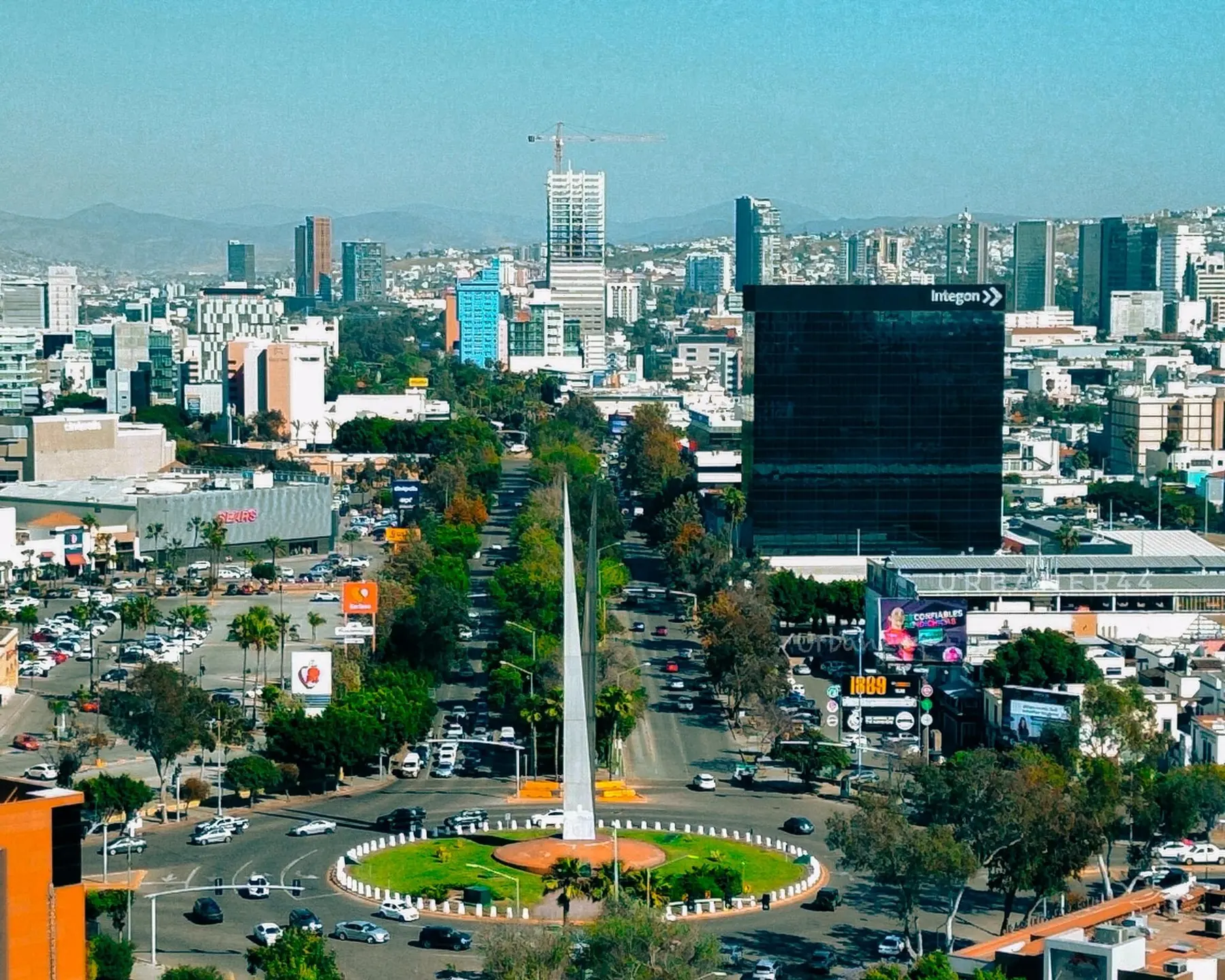
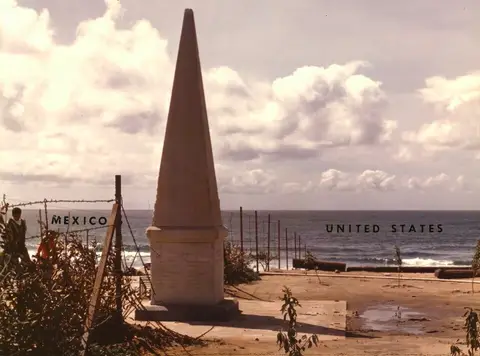
Avenida Revolución, known as "La Revu," is the classic promenade, with the steel Arco Monumental at its northern end, souvenir shops, and the striped donkeys known as zonkeys that pose for photos. A few blocks away, you can explore Mercado Hidalgo, with its dried chiles, sweets, and piñatas. The Centro Cultural Tijuana, recognizable by its spherical dome housing a cinema, tells the history of the peninsula in the Museo de las Californias. Far to the west, the border fence meets the Pacific at Playas de Tijuana; in Friendship Park (Parque de la Amistad), families from both sides stand facing each other through the steel bars, a moving place. The murals along the fence are an art project in their own right. Fish restaurants line the Malecón in Playas, and at sunset locals jog along the spot where the border wall disappears into the sea. For an overview of the rugged city, it's worth heading up one of the hills in the west, from which you can see all the way to San Diego on a clear day.
Eating in Tijuana: Tacos and Baja-Med
Tijuana's restaurants have earned the city a culinary reputation that reaches far beyond Mexico. The Caesar salad was invented in the 1920s at Caesar's Hotel on Avenida Revolución, which is once again a restaurant today. On the street, tacos de adobada, birria, and beer-battered fish tacos reign, along with seafood tostadas. Chefs like Javier Plascencia have shaped Baja-Med cuisine, which combines Mexican ingredients with Mediterranean and Asian influences. Dozens of small breweries have set up shop in the Zona Río and at Plaza Fiesta, and the Telefónica Gastro Park food court gathers food trucks in a parking lot.
Art, Nightlife, and Neighborhoods
Pasaje Rodríguez, a once-abandoned arcade off Revolución, is now full of galleries, cafés, and record shops. The Zona Río with the Paseo de los Héroes is the modern business district, while to the east, districts such as La Mesa and Mesa de Otay stretch across the plateaus with industrial areas, the university, and the airport. In San Antonio de los Buenos to the south, residential neighborhoods extend to the coast. Musically, Tijuana stands for Nortec, a blend of norteño music and electronica that emerged here around the turn of the millennium.
Safety, Getting There, and Day Trips
Tijuana has had a very high murder rate for years, with the violence mostly involving clashes between criminal groups in outlying districts. Tourists generally get around the center, Zona Río, and Playas without problems if they take the usual precautions; at night and in unfamiliar neighborhoods, you should rely on taxis booked via app. You can walk from the San Ysidro border crossing straight into the center. Abelardo L. Rodríguez Airport (TIJ) offers many domestic flights, and the Cross Border Xpress pedestrian bridge takes air travelers directly to the U.S. side. About an hour and a half to the southeast lies the Valle de Guadalupe, Mexico's best-known wine region, while Rosarito and Ensenada beckon on the coast. The best time to visit Tijuana is from April to November; the climate is Mediterranean, and winters can be rainy and cool.