Tabasco: Olmecs, Cacao, and River Landscapes
Travel guide · editorialA vacation in the state of Tabasco is a journey into Mexico's water country: mighty rivers, lagoons, and swamps cover a large part of this state on the Gulf of Mexico. This was the heartland of the Olmecs, the oldest advanced civilization in Mesoamerica, and to this day Tabasco grows the cacao from which the Aztecs once prepared their drink.
A Land Made of Water
Tabasco is almost completely flat. The Grijalva and Usumacinta rivers, among the most water-rich in Mexico, form a huge delta before they reach the sea. The Pantanos de Centla, one of the largest wetlands in North America, is a biosphere reserve home to manatees, crocodiles, and hundreds of bird species. Only in the south, on the border with Chiapas, do rain-forested hills rise up. The climate is hot and humid all year, and the capital is hit by flooding again and again.
Villahermosa and the Cities
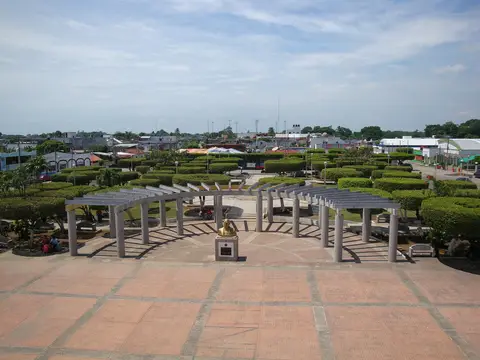
Villahermosa lies at the confluence of the Grijalva and Carrizal rivers and has grown thanks to the oil industry; the state-owned company Pemex has large administrative centers here, and the Dos Bocas refinery was built in Paraíso on the coast. The city's most important excursion is the Parque-Museo La Venta, an open-air museum where three of the famous Olmec colossal heads stand among tropical trees, together with altars and stelae brought here from the archaeological site of La Venta. A small zoo shows jaguars and spider monkeys. The Museo Regional de Antropología Carlos Pellicer gives a good overview of Olmec and Maya culture. Cárdenas and Huimanguillo to the west are agricultural and oil towns, while Macuspana and Emiliano Zapata lie to the east.
Sights in the State of Tabasco
Comalcalco is the westernmost major Maya city and the only one built mainly of fired bricks instead of stone, because there was hardly any rock in the alluvial landscape. Around the ruins, cacao haciendas such as Jesús María or La Luz open their gates: you can see how the beans are fermented, dried, and roasted, and sample chocolate made the traditional way. In the south lies Tapijulapa, a Pueblo Mágico on the river, near the Villa Luz park with its sulfurous springs and a cave where blind fish live. Tenosique on the Usumacinta is the starting point for boat trips and for the ruins of Pomoná; the Dance of the Pocho is also performed here during Carnival. The best way to explore the Pantanos de Centla is by boat from the town of Frontera.
Culture and History
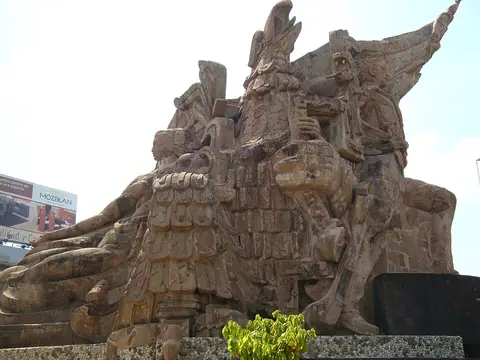
The Olmecs flourished here between about 1200 and 400 B.C. and created the colossal heads, jade figurines, and probably the calendar that later cultures adopted. In 1519, Hernán Cortés landed at the mouth of the Grijalva, and in Tabasco he acquired the indigenous interpreter Malinche. Today Tabasco is closely tied to national politics: former president Andrés Manuel López Obrador comes from Macuspana. The Chontal Maya still live in communities around Nacajuca, where wood and palm crafts are made.
Food and Drink
Tabasco's cuisine is closely tied to the river and to cacao. Pejelagarto, a primeval alligator gar, is grilled or eaten in tamales. Other specialties include tortuga en verde, plátano macho in many variations, and pozol, a cool drink made of corn and cacao that quenches your thirst on hot days. Tabasco chocolate, often only lightly sweetened, makes a good souvenir. The well-known chili sauce of the same name, by the way, comes from the U.S., not from the state.
Getting There and Best Time to Visit
Villahermosa Airport has several flights a day from Mexico City. The Tren Maya begins in Palenque in the neighboring state of Chiapas, which is about two hours from Villahermosa, and also stops in Tenosique. A rental car is practical for excursions. The best time to visit is from November to April, when the heat is more bearable; in May temperatures easily reach 104°F, and from June to October it often rains heavily. Light clothing, mosquito repellent, and an umbrella belong in your luggage in any season.