Campeche State: Fortified City and Maya Jungle
Travel guide · editorialA vacation in Campeche State is a quieter alternative to the Caribbean coast: the capital, ringed by walls and bastions, tells of pirate attacks, and in the south, deep in the rainforest, lie some of the largest Maya cities, which you can often explore almost alone. The state borders the Gulf of Mexico and Guatemala.
Landscape and Location
Campeche occupies the western part of the Yucatán Peninsula. The Gulf coast is flat, with mangroves and the huge Laguna de Términos in the south, a protected area where dolphins live. Inland the terrain becomes hilly, and the south is covered by tropical rainforest that merges into Guatemala's Petén in the Calakmul Biosphere Reserve. It is one of the largest contiguous forest areas in Mesoamerica, home to jaguars, howler monkeys, and toucans.
Campeche City
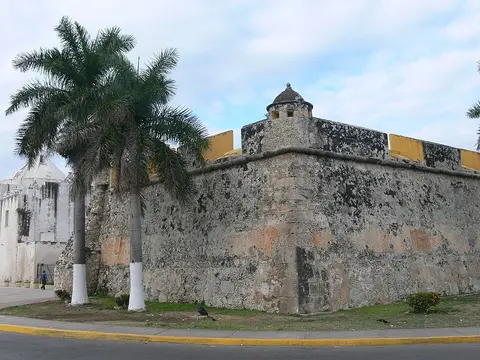
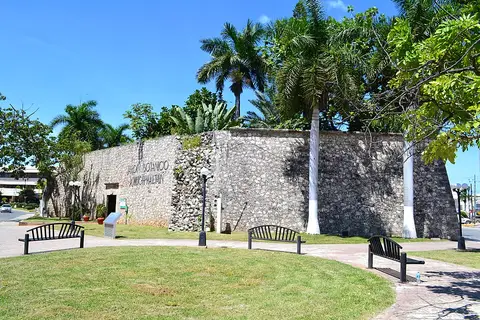
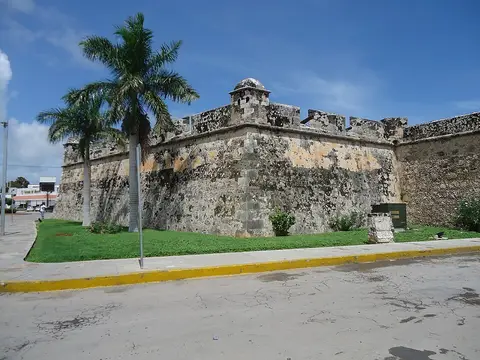
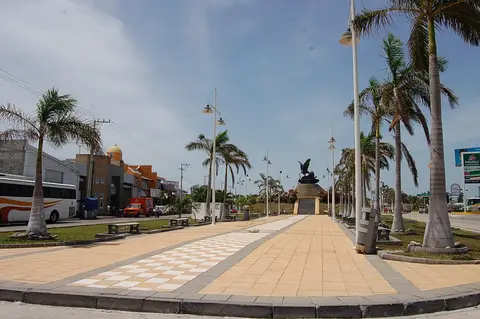
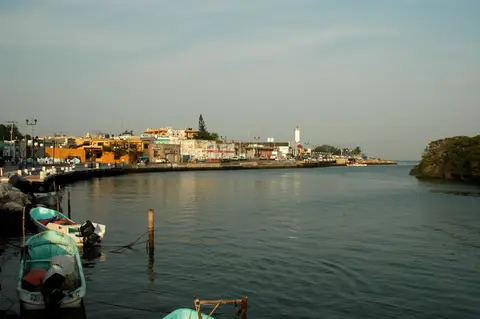
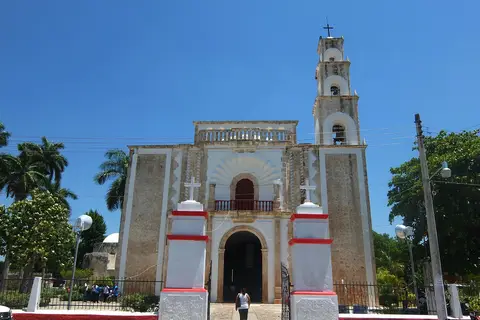
The capital, officially San Francisco de Campeche, was founded in the 16th century and was repeatedly targeted by pirates. Starting in 1686, it was surrounded by a wall with bastions, several of which survive; the Puerta de Tierra and the Puerta de Mar mark the old entrances. The historic center is a UNESCO World Heritage Site, and its pastel-colored houses and the cathedral on the plaza look freshly painted. Outside the center, two forts sit on hills: San Miguel, with a Maya museum, and San José el Alto. In the evening, the long Malecón invites you to stroll and watch the sun set over the Gulf.
Sights in Campeche State
Calakmul is the most important site and, together with the surrounding forest, a World Heritage Site for both nature and culture. The great pyramid towers above the canopy, and from the top you can see all the way to Guatemala in clear weather. At its peak, Calakmul was the great rival of Tikal. Nearby are the smaller sites of Becán, Xpujil, and Chicanná. Edzná, about 55 kilometers (34 miles) from the capital, impresses with a five-story temple building. On Isla Jaina, which is accessible only with a permit, famous clay figurines were found. Ciudad del Carmen, on an island off the Laguna de Términos, is by contrast an oil town with beaches. Champotón and Calkiní are smaller towns known for fishing and crafts; in Becal, Panama hats are woven in damp caves.
Food, Getting There, and Best Time to Visit
Campeche's cuisine is rich in seafood: pan de cazón (layered tortillas with shark and beans), coctel de camarón, and pámpano en escabeche. The capital has an airport with connections to Mexico City, as does Ciudad del Carmen. The Tren Maya stops in Campeche, Escárcega, and near Calakmul, and connects to Mérida and Cancún. The best time to visit is from November to April; May gets very hot, and the rainy season runs from June to October. For Calakmul, it's best to stay in Xpujil or at one of the eco-lodges on the edge of the reserve and set out early in the morning, when the howler monkeys are calling and the heat is still bearable. The drive through the forest is long, and there are no services in the reserve, so bring water and food.