

Yucatán State: Maya Cities, Cenotes, and Mérida
Travel guide · editorialA vacation in Yucatán State takes you across a flat limestone shelf, with a labyrinth of underground rivers beneath it and some of the most important Maya ruins standing on top. The capital, Mérida, is considered one of Mexico's safest big cities, and the yellow-painted colonial towns of the interior combine history with living Maya culture.
A Landscape Without Rivers
Yucatán has no rivers on the surface and hardly any hills. Rainwater seeps into the porous limestone and collects in caves and sinkholes called cenotes, which the Maya regarded as sacred gateways to the underworld. The state has thousands of them, and many are equipped with stairs or ladders for swimming. To the north, the land meets the Gulf of Mexico; mangroves and lagoons near Celestún and Río Lagartos are home to large flamingo colonies. In the south, the Puuc, a low range of hills, rises gently. The Chicxulub crater, whose impact some 66 million years ago heralded the end of the dinosaurs, lies beneath the north coast and helped shape the semicircle of cenotes.
Mérida, Valladolid, and Izamal
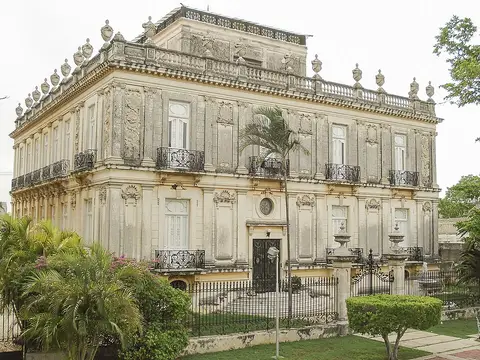
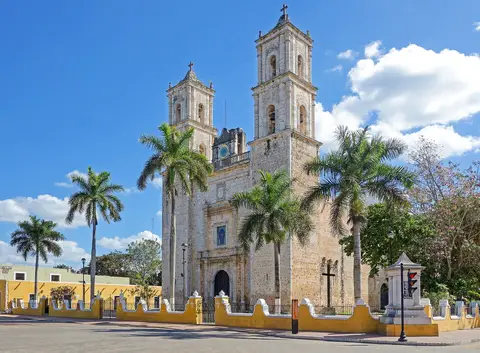
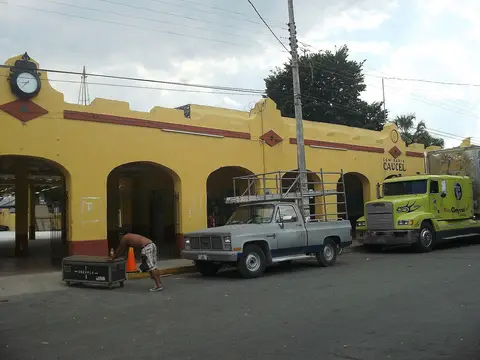
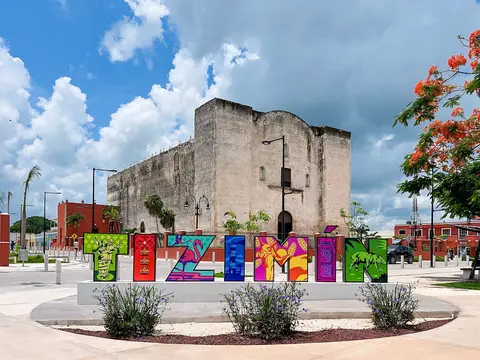
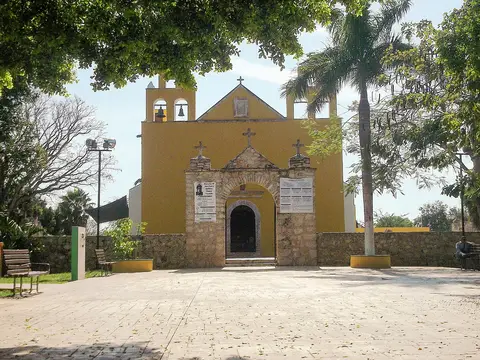
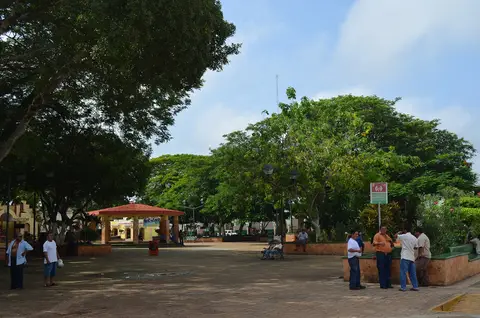
Mérida was founded in 1542 on the ruins of the Maya city of T'Hó. The cathedral on the Zócalo is among the oldest on the American mainland, and some of its stones came from the pyramids. Along the Paseo de Montejo, grand mansions tell of the wealth of the sisal barons, whose henequen plantations made the region one of the richest in Mexico around 1900. On Sundays the city center is closed to cars, and couples dance the jarana in the squares. Suburbs such as Cholul, Caucel, and Xcanatún are growing quickly. Valladolid, in the east, is a quiet colonial town with the Cenote Zací right in the center. Izamal, the yellow city, has a huge Franciscan monastery built on top of a Maya pyramid, plus several more pyramids tucked in among the houses. Tizimín in the northeast is the center of cattle ranching.
Sights in Yucatán State
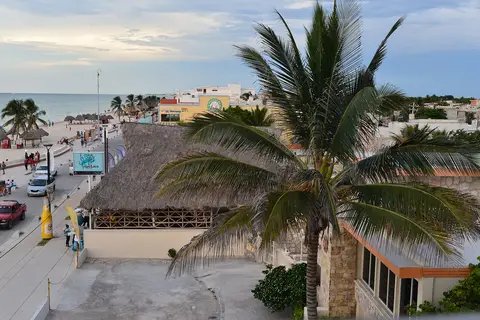
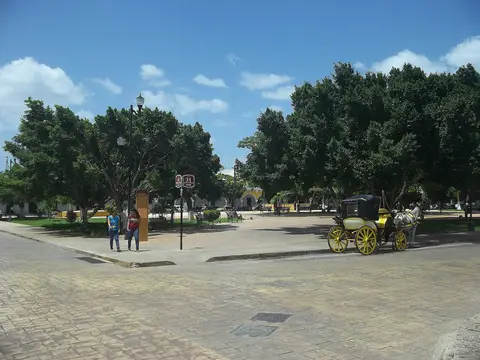
Chichén Itzá, with the Pyramid of Kukulcán, is the best-known destination; at the equinox, the sun casts a serpent-shaped shadow onto the staircase. If you arrive early, you can see the great ball court and the El Caracol observatory without the crowds. Less visited but just as impressive architecturally is Uxmal in the Puuc region, with the oval Pyramid of the Magician and the Governor's Palace. The Puuc Route continues on to Kabah, Sayil, and Labná, as well as the stalactite caves of Loltún. Ek' Balam, north of Valladolid, has well-preserved stucco work. The cenotes of Homún and Cuzamá can be reached by horse-drawn cart along old rail tracks. On the coast lies Progreso, Mérida's beach town, with one of the longest piers in the world.
Maya Daily Life and History
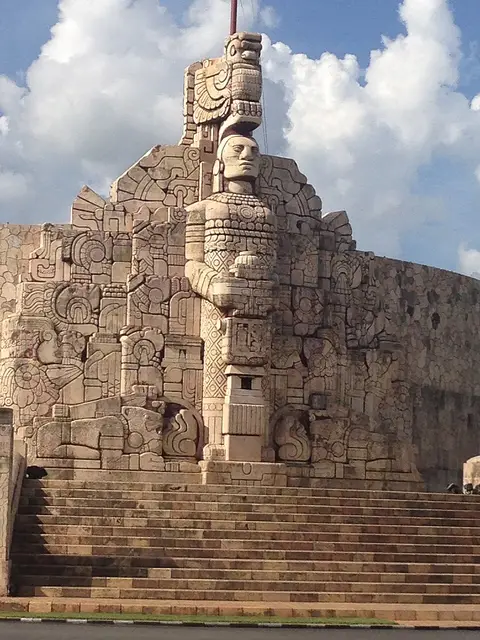
A large part of the population speaks Yucatec Maya, and in villages women still wear the white embroidered huipil. The region long had a distinct identity of its own; in the 19th century Yucatán briefly declared independence, and the Caste War of the Maya against white landowners lasted for decades. Many of the ruined haciendas have been turned into hotels or museums, such as Sotuta de Peón, where sisal processing is still demonstrated. The Gran Museo del Mundo Maya in Mérida offers a good overview.
Food and Drink
Yucatecan cuisine differs markedly from the rest of Mexico. Cochinita pibil, pork marinated in achiote and bitter orange juice, is traditionally cooked in an earth pit. It comes with pickled red onions and habanero salsa. Sopa de lima, papadzules with pumpkin seed sauce, panuchos, and salbutes are other classics, and in Mérida people snack in the evening on marquesitas, rolled crepes filled with Edam cheese. On the coast, fresh fish and ceviche are on the table.
Getting Around and Best Time to Visit
Mérida's airport has connections to Mexico City, the US, and Canada; the Tren Maya links Mérida, Izamal, Valladolid, and Chichén Itzá with Cancún and Campeche. Well-built roads make road trips by rental car easy. The best time to visit is from November to April; in May temperatures often climb above 100°F (40°C), and June through October is rainy and hurricane season.