
Discovering Puebla: Talavera, Mole, and Baroque Splendor
Travel guide · editorialBlue-and-white tiles on the facades, church domes as far as the eye can see, and the smoking Popocatépetl on the horizon: a trip to Puebla shows colonial Mexico at its most magnificent. Only about a two-hour bus ride from the capital, the city works equally well as a city break or as a stop on a longer tour – not least because of its cuisine, considered one of the best in the country.
A City of the Spanish
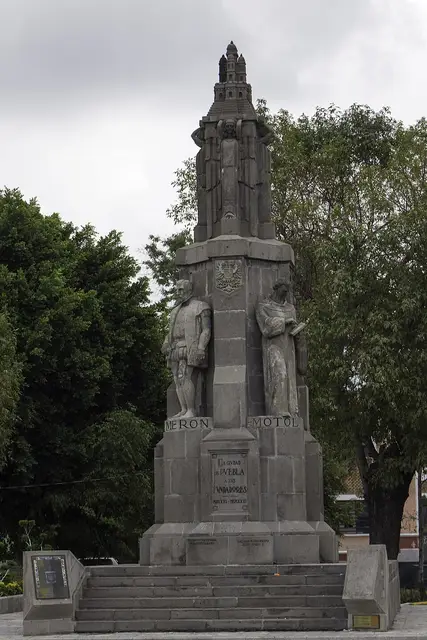
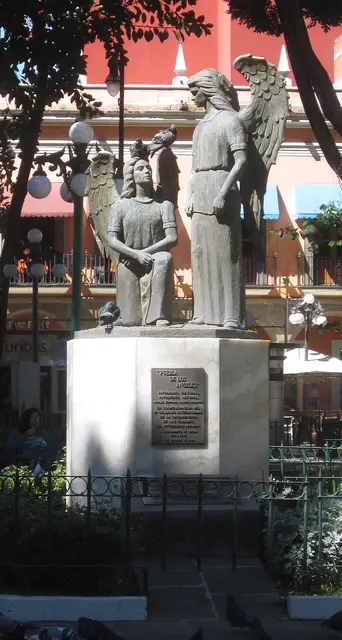
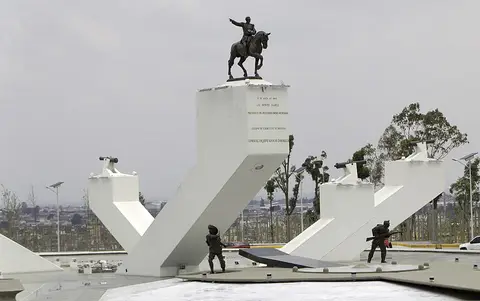
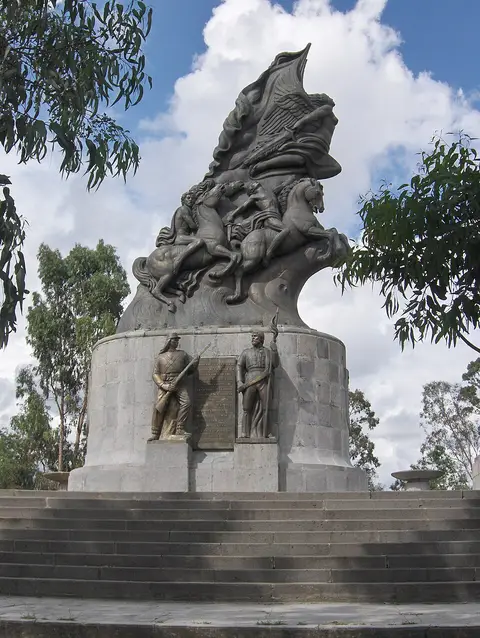
Puebla de los Ángeles was founded in 1531 as one of the first purely Spanish settlements in Mexico, on a plain between volcanoes along the route from Veracruz to Mexico City. According to legend, angels showed the bishop the site for the new city in a dream. The checkerboard street grid has survived to this day. Puebla became world-famous on May 5, 1862, when Mexican troops defeated a French army here – Cinco de Mayo is now celebrated on a grand scale mainly in the U.S., while in Puebla it is marked with a military parade.
Sights in Puebla
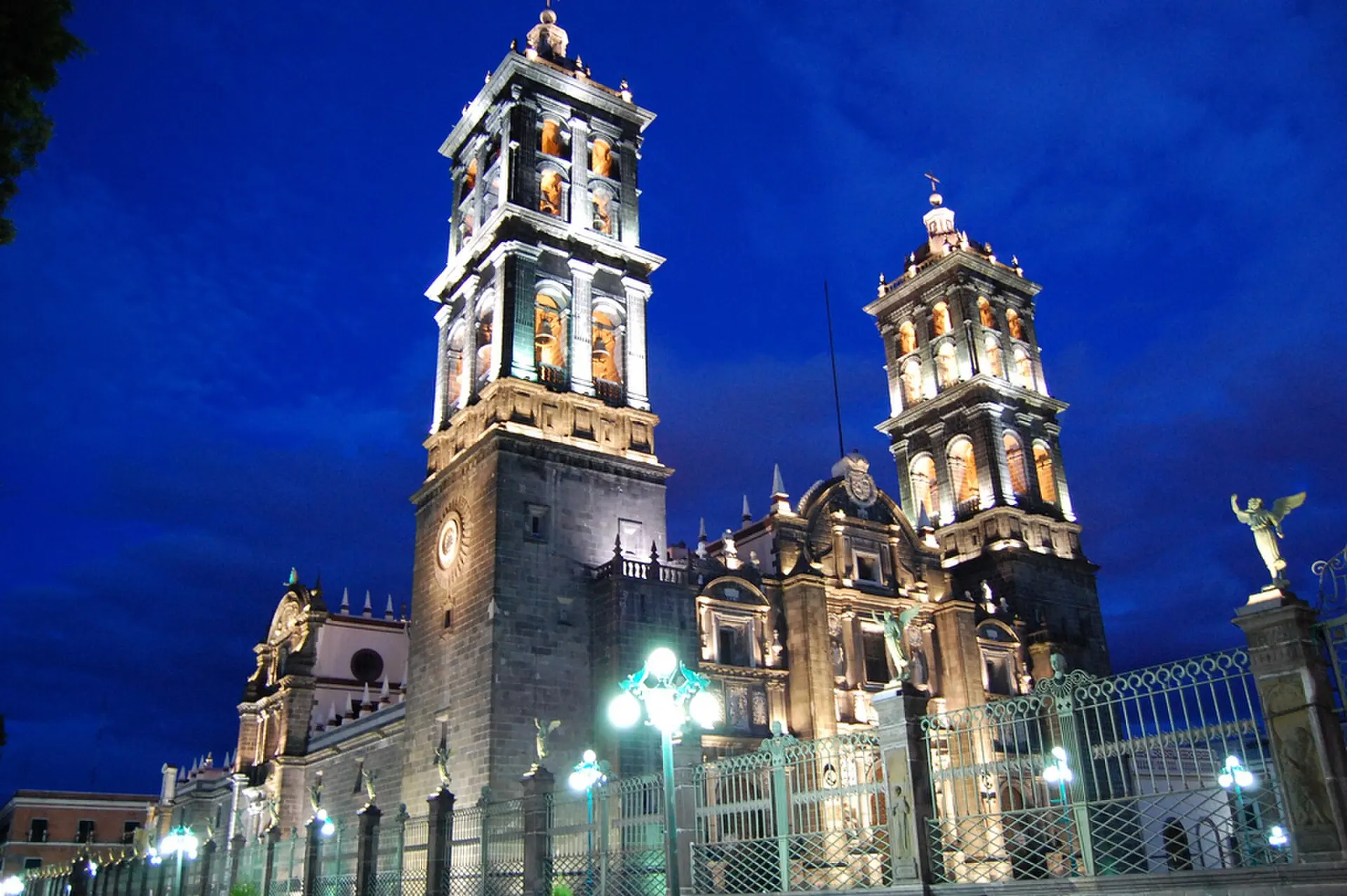
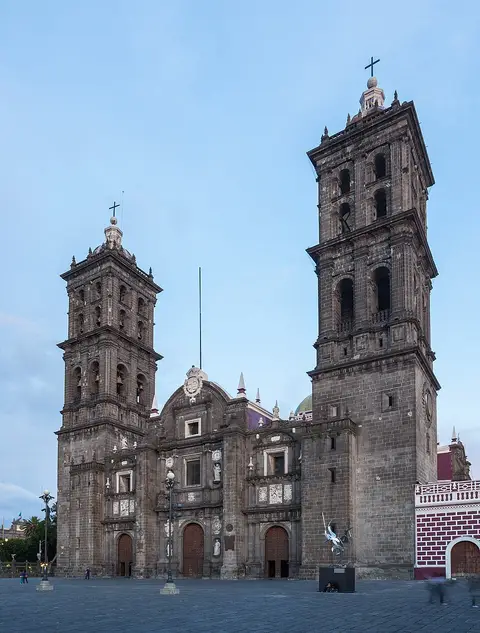
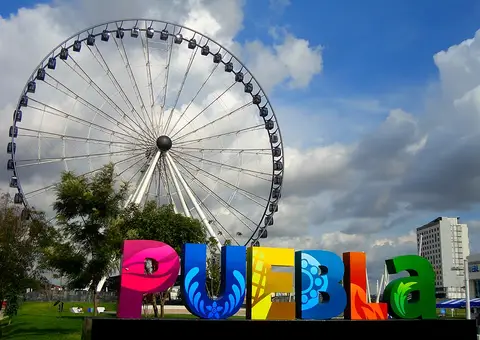
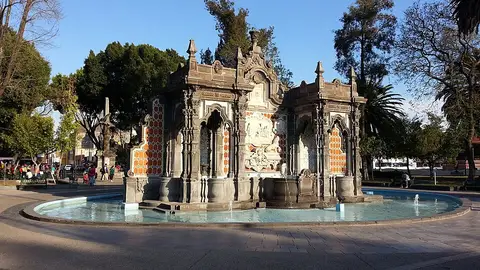
The historic center has been a UNESCO World Heritage Site since 1987. On the Zócalo rises the cathedral, with the tallest church towers in Mexico. A few blocks away, the church of Santo Domingo hides one of the highlights of Mexican Baroque: the Capilla del Rosario, whose walls and dome are almost entirely covered in gilded stucco. The Biblioteca Palafoxiana, dating from 1646, is considered the oldest public library in the Americas, its wooden shelves holding thousands of old volumes. Talavera tiles adorn the Casa de los Muñecos and many townhouses; at the Uriarte workshop you can watch the ceramics still being painted by hand today. In the evening, it's worth taking a stroll through the Callejón de los Sapos, with its antiques stalls, and the Barrio del Artista, where painters work in small studios. The Estrella de Puebla Ferris wheel in the modern Angelópolis district offers a wide view over the city.
Museums and Culture
The Museo Amparo displays pre-Columbian and colonial art in two colonial houses, and its rooftop terrace looks directly onto the cathedral. In the modern Museo Internacional del Barroco, a white, wave-shaped building by Japanese architect Toyo Ito, the Baroque is explained through multimedia. On the hill of Loreto and Guadalupe, two forts and museums commemorate the Battle of 1862. Puebla is also a university town, which gives the center a young crowd.
Eating in Puebla: Mole, Chiles en Nogada, and Sweets
The restaurants in Puebla are a destination for culinary travelers. Mole poblano, a dark sauce made from several types of chiles, spices, nuts, and a little chocolate, is said to have been invented in one of the city's convent kitchens and is traditionally served over turkey. From July to September is the season for chiles en nogada: stuffed poblano chiles under a white walnut sauce with pomegranate seeds, in the colors of the Mexican flag. On the street you'll find cemitas, large sesame rolls with meat, cheese, and the herb pápalo, as well as chalupas, small fried tortillas with sauce. The Calle de los Dulces is lined with shops selling camotes, sweet potato candy, and tortitas de Santa Clara. The Mercado de Sabores brings many of these dishes together under one roof.
Day Trips from Puebla
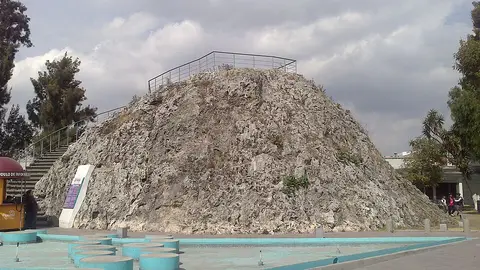
Just to the west lies Cholula with the Great Pyramid, the largest pyramid in the world by volume, which today looks like an overgrown hill and is crowned by a yellow church. On clear days, Popocatépetl and Iztaccíhuatl stand behind it. In Tonantzintla, the church of Santa María surprises with an interior full of colorful indigenous stucco figures. If you're looking for more nature, head to Atlixco with its mild climate or to the mountains around Cuetzalan.
Getting Around and Best Time to Visit
The small Hermanos Serdán airport (PBC) has few connections; most people arrive via Mexico City and take one of the frequent long-distance buses from there or directly from MEX airport. You explore the center on foot, supplemented by the RUTA bus rapid transit system and taxis. The central bus hub is the CAPU bus station in the north. The best time to visit Puebla is between October and April, when it's dry and pleasantly warm during the day; nights can get chilly at an elevation of over 2,000 meters. During the rainy season from June to September, it usually rains in the afternoon.