Discover Veracruz: Harbor, Danzón and Café de la Parroquia
Travel guide · editorialWhen an orchestra strikes up a danzón on the Plaza de Armas in the evening and older couples in white guayaberas take to the floor, you can feel the Caribbean rhythm of Veracruz. On a trip to the Gulf, Mexico's oldest port city combines history, music, seafood and a joie de vivre that locals call jarocha.
Five Hundred Years of Port History
In 1519 Hernán Cortés landed on this coast and founded Villa Rica de la Vera Cruz, the first Spanish town on the American mainland. For centuries Veracruz was the most important gateway between New Spain and Europe: silver left for Seville, while goods, settlers and enslaved Africans arrived. Pirates raided the city, for instance in 1683, and the fortress of San Juan de Ulúa was built to protect the harbor. French and U.S. troops later landed here, and in 1914 the United States occupied the city for months. Because Veracruz withstood invasions so often, it bears the title "cuatro veces heroica" (four times heroic).
Sights in Veracruz
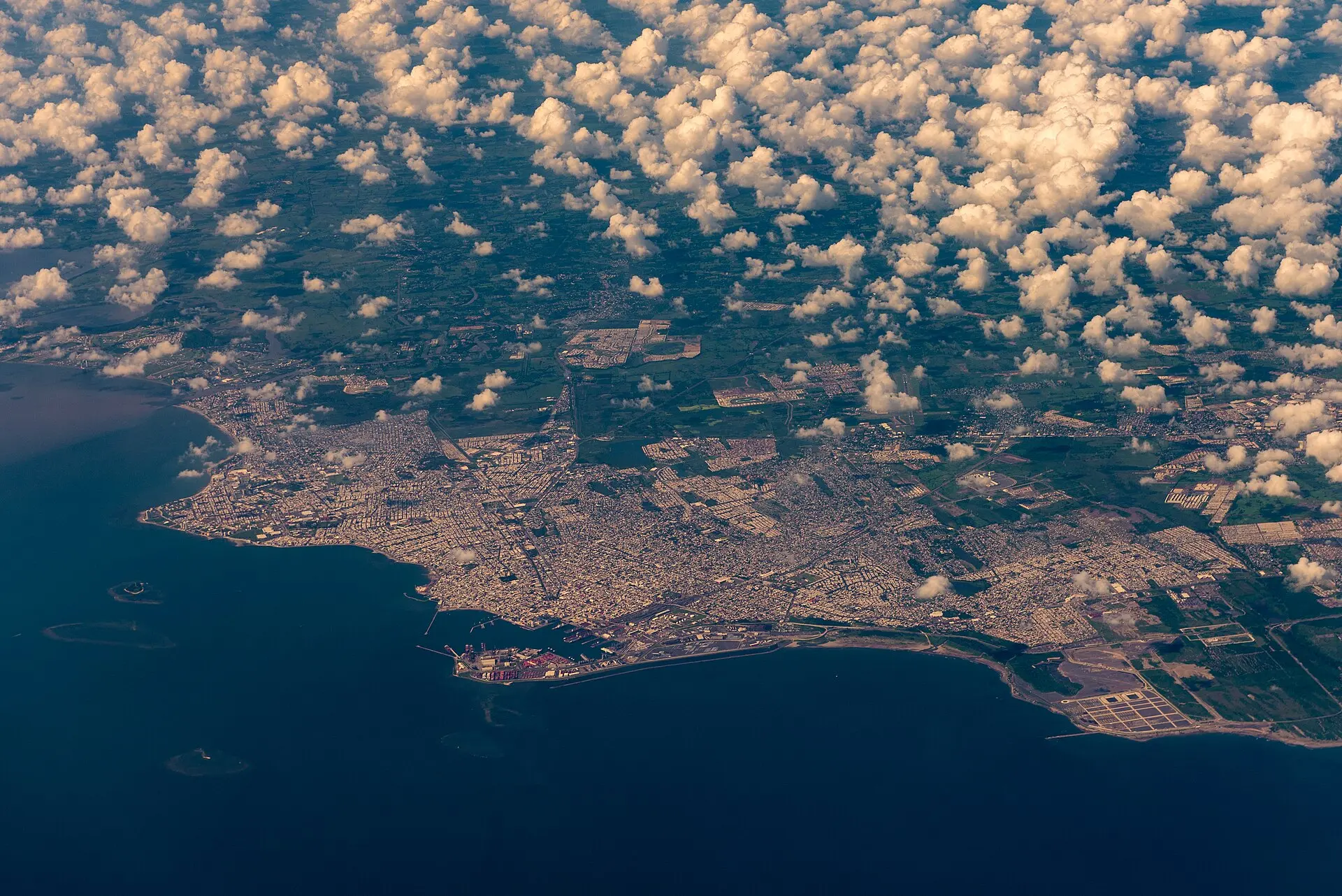
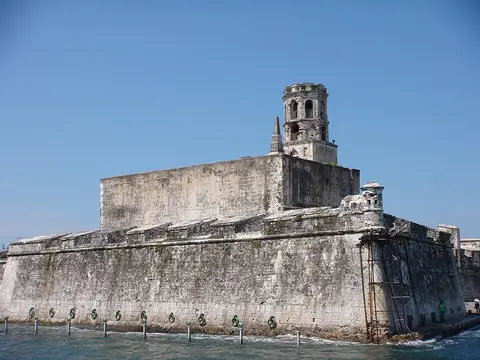
The Fortaleza de San Juan de Ulúa on an island off the harbor is the city's landmark: a fortress, later a prison, with coral-stone walls and gloomy cells. In the center you'll find the Plaza de Armas with the Palacio Municipal and the cathedral. The Malecón runs along the harbor, where you can watch container ships and fishing boats while vendors sell souvenirs. The Baluarte de Santiago is the last remnant of the city wall. The Acuario de Veracruz is considered one of the largest in Latin America and features sharks, rays and manatees. To the south, the beaches of Boca del Río, which has grown together with Veracruz, begin.
Museums, Music and Carnival
Music shapes the identity of the city. Son jarocho, with its jarana, harp and zapateado footwork, is at home here; the best-known song, La Bamba, comes from this tradition. Danzón, originally from Cuba, is kept alive in plazas and dance halls. In February Veracruz celebrates one of Mexico's biggest carnivals, with parades along the Malecón, costumes and days of nonstop parties. The Museo Histórico Naval, housed in the former naval academy building, tells the story of seafaring, and the Museo de la Ciudad shows how the port developed. In the evening the portales (arcades) around the plaza fill with musicians who move from table to table.
Eating in Veracruz
The cuisine is rich in fish and seafood. The classic is huachinango a la veracruzana, red snapper in a tomato sauce with olives, capers and chili, a dish that blends Spanish and Mexican influences. For breakfast there are picadas or gordas, and arroz a la tumbada, a rice dish with seafood, is a regional specialty. A true institution is the Gran Café de la Parroquia, where you order a lechero, a coffee with milk, and tap your spoon against the glass so the waiter comes over to top it off with hot milk. In Boca del Río and Mandinga on the outskirts, fish restaurants line the streets, serving fresh oysters and ceviche.
Getting Around Veracruz
General Heriberto Jara Airport (VER) lies southwest of the city, with flights to Mexico City, Monterrey and Houston. Buses from Mexico City take roughly five to six hours. Within the city, buses and taxis are the usual means of transportation; the old town is best explored on foot. The state of Veracruz has problems with organized crime; the port area and the tourist waterfront are generally calm, but it's still wise to be careful at night.
Best Time to Visit and Day Trips
The best time to visit is between November and April, even though in winter the Norte wind occasionally brings cool days. Summer is hot, humid and rainy, and hurricane season runs from June to November. Worthwhile day trips lead to La Antigua, the site of the city's first founding, with the supposed House of Cortés; to Tlacotalpan, a colorful colonial town on the river and a UNESCO World Heritage Site; and to the ruins of El Tajín, with its Pyramid of the Niches, farther north. Close to the city, you can also explore the reefs of the Sistema Arrecifal Veracruzano, a marine protected area where you can dive and snorkel, and the Isla de Sacrificios, which you can circle on boat trips from the Malecón.