
Discover Tepic: Huichol Art and Pacific Proximity
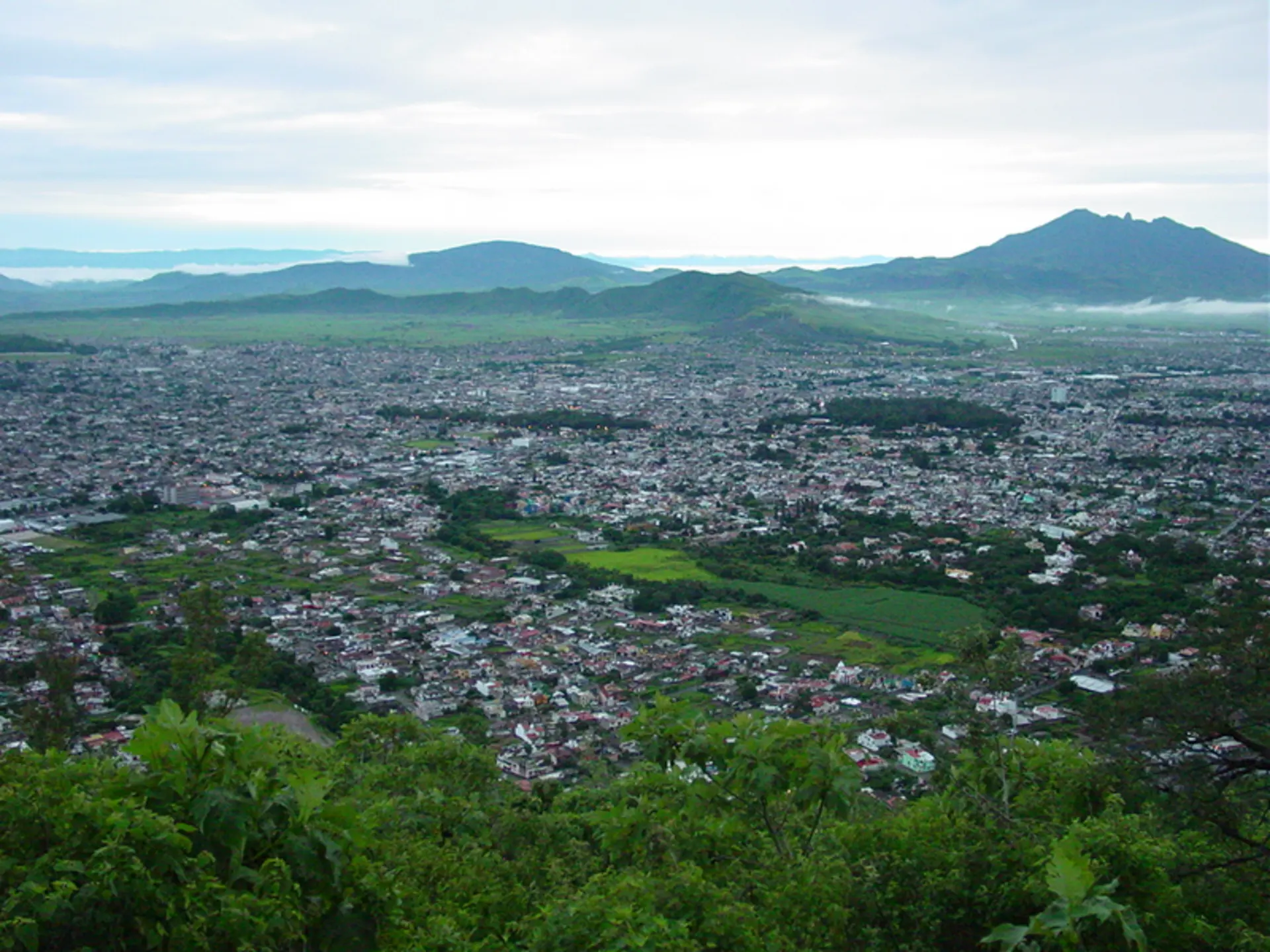
Travel guide · editorialSet between volcanoes and sugarcane fields, Tepic, the laid-back capital of Nayarit, lies just an hour from the Pacific coast. If you're traveling along Mexico's west coast and want to get to know Huichol culture and taste authentic regional cooking, this is a pleasant place to stop.
History and Cityscape
Tepic was founded in 1531 by Nuño Beltrán de Guzmán and remained a regional trading center for centuries. Textile mills were built here in the 19th century, the territory was separated from Jalisco in 1884, and in 1917 the state of Nayarit was created with Tepic as its capital. The historic center is compact, with a Neo-Gothic cathedral, plazas, and colonial houses. The poet Amado Nervo was born in Tepic, and the airport and many streets are named after him. Neighborhoods such as Las Delicias, La Cantera, and Bellavista tell the story of the city's growth into a modern urban center.
Sights in Tepic
The cathedral, with its slender twin towers on the Plaza Principal, is the city's landmark. The Museo Regional de Nayarit displays grave goods from the shaft tomb culture, including clay figures depicting daily life two thousand years ago. At the Casa Museo Amado Nervo, you can visit the poet's birthplace. The Templo y Ex-Convento de la Cruz de Zacate is tied to a legend: a cross made of grass is said to have stayed green here for centuries. Parque La Loma is a large city park with old trees and playgrounds, and on weekends it's a gathering place for families and joggers. In the evening, a stroll along Avenida México, the main axis of the center with its shops, ice cream parlors, and street stalls, is well worth your time.
Huichol Culture
Nayarit is home to the Wixárika, better known as the Huichol. Their art is unmistakable: yarn paintings, in which colored threads are pressed into wax, and beadwork featuring deer, corn plants, and peyote motifs. The Casa Museo de los Cuatro Pueblos presents the culture of Nayarit's four indigenous peoples: the Huichol, Cora, Tepehuán, and Mexicanero. In shops and at street stalls in the old town, artists sell their work directly. When you buy a piece, you support communities from the Sierra.
Eating in Tepic
Nayarit claims to be the birthplace of pescado zarandeado, a fish that is butterflied, marinated, and grilled over charcoal. You'll also find shrimp tostadas and ceviche. One specialty is tlaxtihuilli, a broth of shrimp and corn traditionally eaten during Lent. The markets sell regional fruit, including mangoes and jackfruit, as well as coffee grown in the mountains of Nayarit. Simple eateries serve comida corrida at midday, and street stalls offer tacos de barbacoa and tejuino, a cool drink made from fermented corn with lime and salt. The Mercado Juan Escutia in the center is a good place to get a sense of the variety of regional products.
Getting Around, When to Go, and Day Trips
Amado Nervo Airport (TPQ) has connections to Mexico City and Tijuana; many travelers also use Puerto Vallarta, about three hours away. In the city, you get around by bus or taxi. The best time to visit is between November and May. Day trips lead to Laguna de Santa María del Oro, a crater lake; to San Blas, with its mangroves and crocodiles; and to the island of Mexcaltitán, a small island village that some believe to be the mythical Aztlán. When traveling overland in Nayarit, it's best to travel during the day and check current advisories.