Guanajuato: Silver Cities and Cradle of Independence
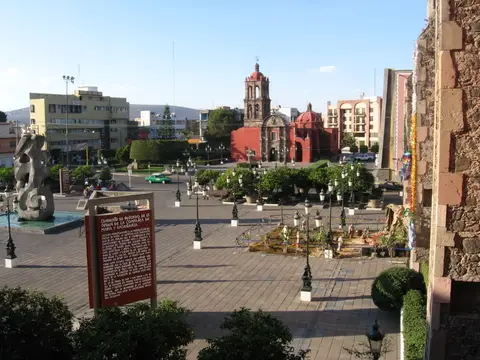
Travel guide · editorialFor centuries, silver was mined in the mountains of Guanajuato, and the wealth it brought built churches, theaters, and palaces of rare splendor. A vacation in Guanajuato takes you to two World Heritage cities, along the trail of Mexican independence, and onto a fertile plain that is now one of the country's industrial centers.
Bajío and Highlands
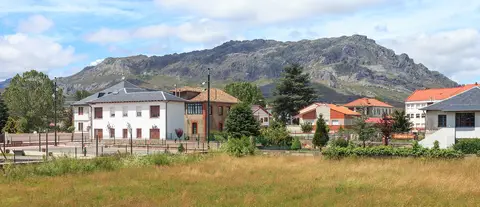
The state lies in the heart of Mexico. The south is defined by the Bajío, a wide, fertile plateau at roughly 1,700 to 1,900 meters (5,600 to 6,200 feet), where vegetables, grain, and strawberries are grown. To the north, the Sierra de Guanajuato and the Sierra Gorda rise up, with dry slopes, mining districts, and remote ranchos. The climate is mild and mostly dry; rain falls mainly between June and September. Highway 45 runs north to south through the middle of the state, lined with industrial parks and auto plants.
Guanajuato and San Miguel de Allende
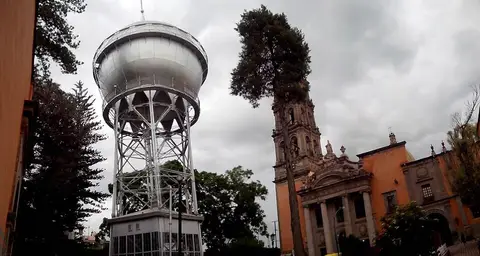
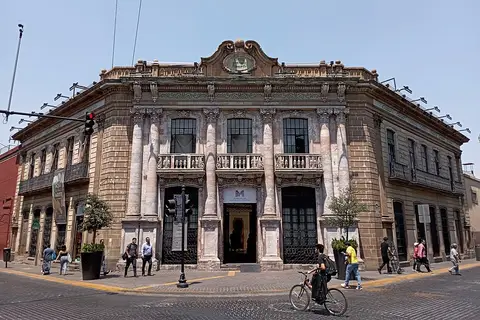
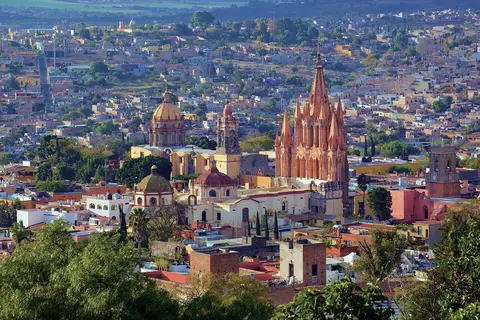
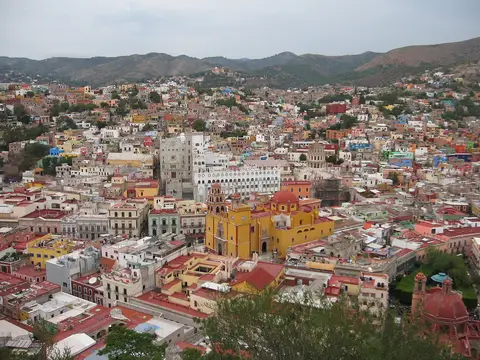
The state capital, Guanajuato, sits in a narrow ravine. Colorful houses cling to the hillsides, and because there is hardly any room for streets, much of the traffic flows through underground tunnels, some of which follow old riverbeds. On foot, you can explore alleys like the Callejón del Beso, so narrow that lovers could kiss from balcony to balcony. The Teatro Juárez, the basilica, and the university define the center, and a funicular climbs to the Pípila Monument. San Miguel de Allende, a good hour to the east, is one of the best-known destinations in Guanajuato, with its neo-Gothic parish church built of pink stone. Artists and expats from North America have shaped the city with galleries, language schools, and rooftop terraces.
Sights in Guanajuato
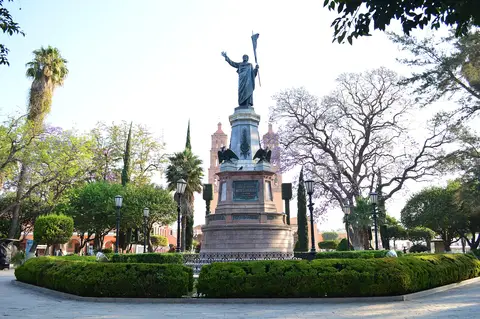
Dolores Hidalgo is where the priest Miguel Hidalgo launched the uprising against Spain with the "Grito de Dolores" on September 16, 1810. Today the little town is also known for ice cream in unusual flavors and for painted ceramics. In Guanajuato, the Alhóndiga de Granaditas, a former grain storehouse, recalls the first battles; the Mummy Museum displays naturally mummified bodies, a macabre but heavily visited attraction. Mineral de Pozos in the northeast is a half-abandoned mining town with the ruins of old mines. South of San Miguel lies the Sanctuary of Atotonilco, often called the "Sistine Chapel of Mexico" for its murals and likewise a World Heritage site. North of San Miguel, the botanical garden El Charco del Ingenio, with its cacti, canyon, and reservoir, is also worth a stroll.
Cities of the Plain
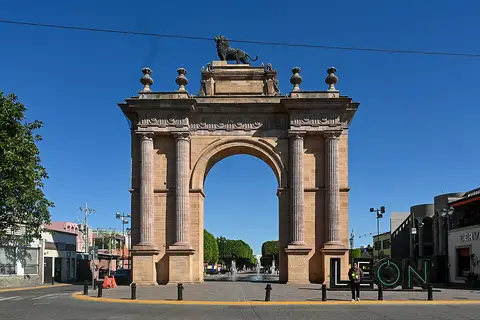
León is the state's largest city and the center of Mexico's leather and shoe industry; in the Zona Piel, shops lined with boots, belts, and jackets stand side by side. Irapuato is known for strawberries, Celaya for cajeta, a caramel sauce made from goat's milk. Salamanca has a large refinery, but also the San Agustín Convent with its gilded altars. San Francisco del Rincón is a production center for hats and shoes. Numerous automakers have set up shop in the region, including plants run by Japanese and German companies.
Eating and Drinking
Typical dishes include enchiladas mineras, miners' enchiladas with potatoes, carrots, and cheese, and the guacamaya from León, a roll filled with crispy pork rinds and spicy salsa. Fiambre, a salad of meat and fruit, is eaten on All Saints' Day. Celaya supplies cajeta, Irapuato strawberries with cream. A wine region has developed around San Miguel de Allende and Dolores Hidalgo, and its wineries offer tastings.
Festivals, Getting There, and Best Time to Visit
In October, the Festival Internacional Cervantino turns Guanajuato into a stage for theater, music, and dance from around the world. Student callejoneadas, strolls with songs and historic costumes, take place almost every evening. Del Bajío Airport (BJX) near Silao lies between León and Guanajuato and also receives flights from U.S. cities; Querétaro is an alternative for San Miguel. Comfortable long-distance buses connect the cities. The best time to visit is October through April, with sunny days and cool nights. In parts of the Bajío's industrial cities, violent crime has increased; the tourist centers are considered considerably calmer, but you should still check current travel advisories.