Discovering Celaya: Cajeta, Tresguerras, and Everyday Life in the Bajío
Travel guide · editorialCelaya isn't a postcard-perfect town like its neighbors in the Bajío, but it's a city with real character: sweet cajeta, neoclassical churches, and a daily life shaped by industry and agriculture. If you're planning a trip through Guanajuato, Celaya makes an authentic stopover with good food.
From Spanish Outpost to Industrial City
Celaya was founded in 1570 by Basque settlers, and its name comes from the Basque word for "flat land," fitting for the fertile plain that surrounds it. During the colonial era, the city grew on grain, livestock, and trade. Its most famous son is Francisco Eduardo Tresguerras, a late 18th-century architect, painter, and sculptor who left a lasting mark on the look of the city. In 1915, the Battles of Celaya took place in the surrounding area, where Álvaro Obregón defeated the troops of Pancho Villa, a turning point in the Mexican Revolution. Today, Celaya is an important base for auto-parts suppliers in the Bajío's industrial corridor.
Things to See in Celaya
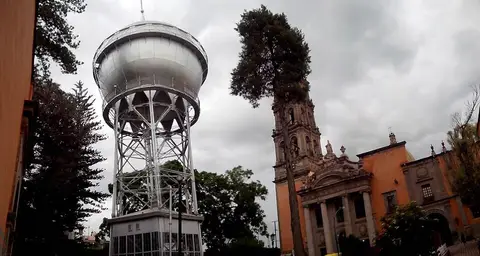
The best-known building is the Templo del Carmen, a neoclassical masterpiece by Tresguerras with a striking dome and colorful tiles; inside, frescoes showcase his skill as a painter. Also worth a visit are the Templo de San Francisco with its large convent grounds and the Tercera Orden church. On the Jardín Principal you'll find city hall and an independence column designed by Tresguerras. The Bola del Agua, a spherical water tower built around 1910 that now houses a viewpoint, has become the city's landmark. At Parque Xochipilli, families gather for strolls, rowing, and picnics.
Eating in Celaya: Home of Cajeta
Celaya is known throughout Mexico for cajeta, a caramel cream made from goat's milk and traditionally sold in small wooden boxes. You can eat it straight, on crêpes, on obleas, or with ice cream. Bajío cuisine also includes enchiladas mineras, carnitas, and guacamayas, rolls filled with crispy pork rinds and spicy salsa. At the Mercado Hidalgo, a market hall from the Porfirio Díaz era, you'll find food stalls, fruit, and sweets. Restaurants in Celaya cater mainly to locals: down-to-earth, inexpensive, and hearty.
City Life and Festivals
In the evening, life centers on the Jardín Principal and the pedestrian streets downtown, where ice cream shops, cafés, and stands selling elotes and churros open up. On weekends, families gather at Parque Xochipilli or at the shopping centers along the bypass road. The biggest festival is the Feria de Celaya, with a fairground, concerts, charrería, and regional products. In December, there are posadas with piñatas and processions through the church neighborhoods. If you're interested in architecture, follow Tresguerras's trail to neighboring towns where he also built; in Querétaro, for example, the Neptune Fountain is his work.
Getting Around, Safety, and the Best Time to Visit
Celaya sits on the highway between Querétaro and León, and the airports of both cities are easy to reach. Long-distance buses run to San Miguel de Allende, Guanajuato, and Mexico City, and city buses and taxis get you around locally. In recent years, the region around Celaya has been affected by violence between criminal groups; travelers should check the current situation in advance, stick to busy areas, and avoid intercity driving at night. The best time to visit is October through April, with dry, sunny weather. From Celaya, San Miguel de Allende, the vineyards of the Bajío, and the colonial town of Salvatierra all make good day trips.