Discover León: Leather Capital in the Heart of the Bajío
Travel guide · editorialStep off the bus in León and in some places you'll smell freshly tanned leather: the largest city in the state of Guanajuato makes a substantial share of Mexico's shoes. A trip to León is therefore often a shopping trip – but the city also offers a lively downtown, one of the largest balloon festivals in the world, and short distances to the colonial cities of the Bajío.
From Villa to Industrial City
León was founded in 1576 as Villa de León to protect the silver route between Zacatecas and Mexico City from Chichimeca attacks. The fertile plain of the Bajío made the region the country's breadbasket, and cattle ranching supplied hides, from which a leather craft developed early on. In the 20th century, this grew into an industry with hundreds of tanneries and shoe factories. Today, automakers and suppliers are also setting up in the surrounding area, and León is one of the fastest-growing cities in the country.
Sights in León
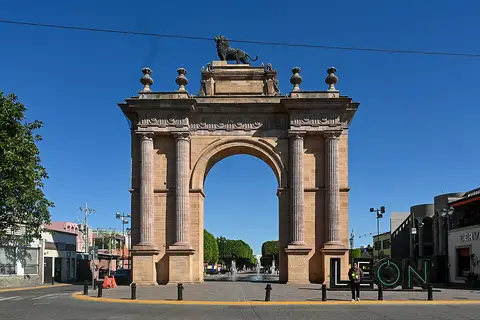
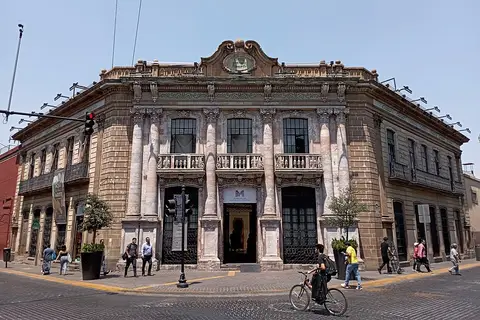
The downtown area is compact and largely car-free. On the Plaza de los Fundadores and the Plaza de los Mártires you'll find the Palacio Municipal and arcades where shoe shiners and ice cream vendors wait for customers. The cathedral, Basílica de la Madre Santísima de la Luz, dates from the 18th century, while the neo-Gothic Templo Expiatorio, which took decades to build, impresses with its underground catacombs. The Arco de la Calzada, a triumphal arch topped with a lion sculpture, marks the start of a boulevard heading south and is the city's landmark. In the neighborhood around the Templo de San Juan de Dios, the lanes feel quieter, lined with low, colorful houses.
Leather, Markets, and Museums
The Zona Piel around the bus station is a huge shopping district with stores for shoes, belts, jackets, bags, and saddles – haggling is customary, and prices are well below those in Europe. The Museo de Arte e Historia de Guanajuato shows regional art, and the Forum Cultural Guanajuato with the modern Teatro del Bicentenario is the stage for opera and concerts. Soccer fans know Club León, which plays at the Estadio León, known as the Nou Camp.
Eating in León: Guacamayas and Caldo de Oso
The city's best-known specialty is the guacamaya, a bolillo roll filled with crispy chicharrones, or fried pork skin, and a spicy tomato salsa – a cheap, filling snack on almost every street corner. Also look for tacos de cabeza, enchiladas mineras from the mining state of Guanajuato, and caldo de oso, a fish soup whose name, despite meaning "bear," has nothing to do with bear meat. You can eat cheaply at the Mercado Aldama and at the stalls around the Plaza Principal. Popular drinks include aguas frescas and atole, and for dessert there are fresas con crema from nearby Irapuato.
Festivals and Nightlife
Every November, the Festival Internacional del Globo takes place in the Parque Metropolitano, with hundreds of hot-air balloons rising at dawn. In January and February, the Feria de León, a fair with concerts, rides, and livestock shows, draws visitors from across the region. Nightlife is concentrated in bars along Avenida Campestre and around Boulevard López Mateos.
Getting Around and Best Time to Visit
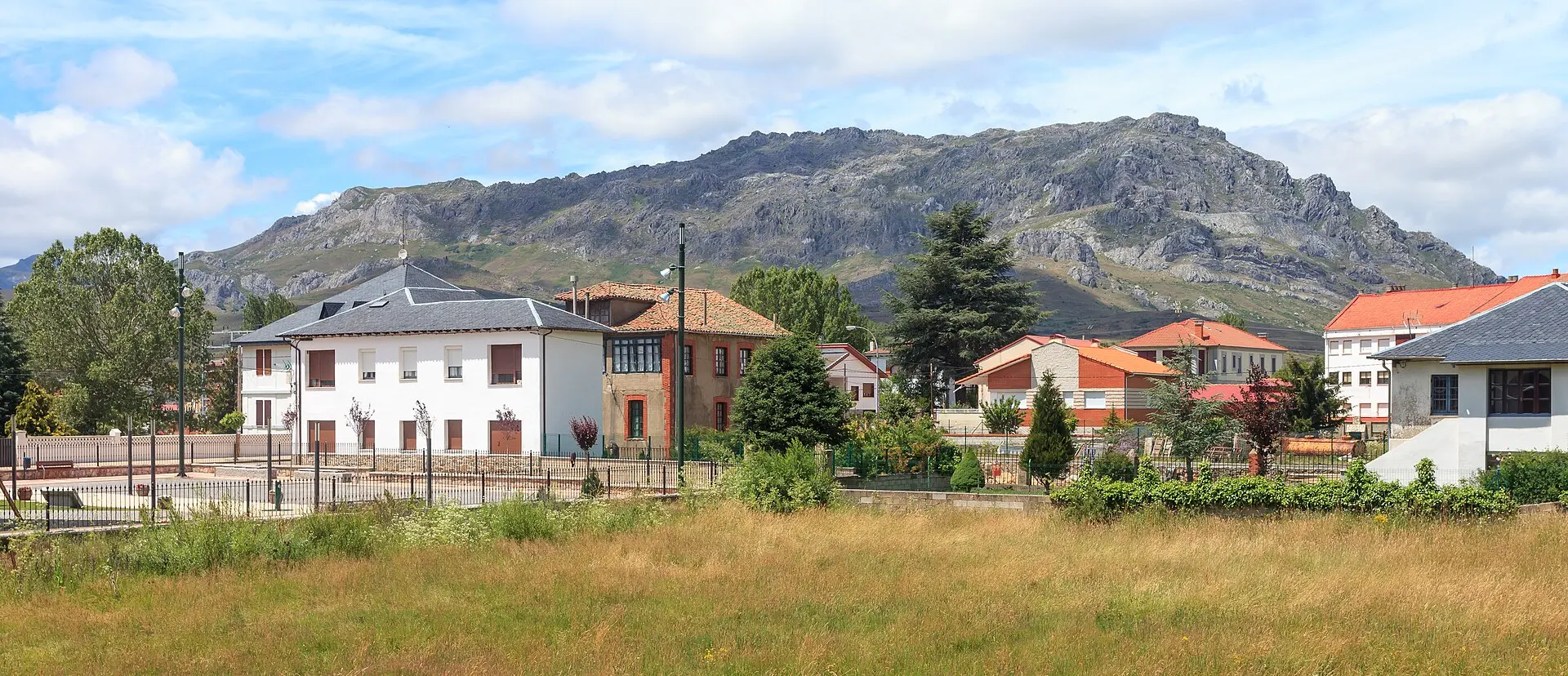
Del Bajío Airport (BJX) lies between León and Silao and has direct flights to the U.S. as well as to Mexico City, Monterrey, and Cancún. In the city, the Optibús bus rapid transit system connects the main corridors; otherwise, taxis booked by app are convenient. In parts of the state of Guanajuato, violent crime is high, mainly affecting certain municipalities and outlying areas; in the downtown area and the shopping districts, you can get around well with normal precautions. The best time to visit is from October to April. Day trips lead to the colonial city of Guanajuato with its underground streets, to the Christ monument on the Cerro del Cubilete, and to San Miguel de Allende. If you're looking for nature, the Parque Metropolitano at the El Palote reservoir has cycling and hiking trails, and in the hills north of the city lie small villages where farming and cattle ranching still shape daily life.