Discovering Querétaro: Aqueduct, Plazas, and Wine
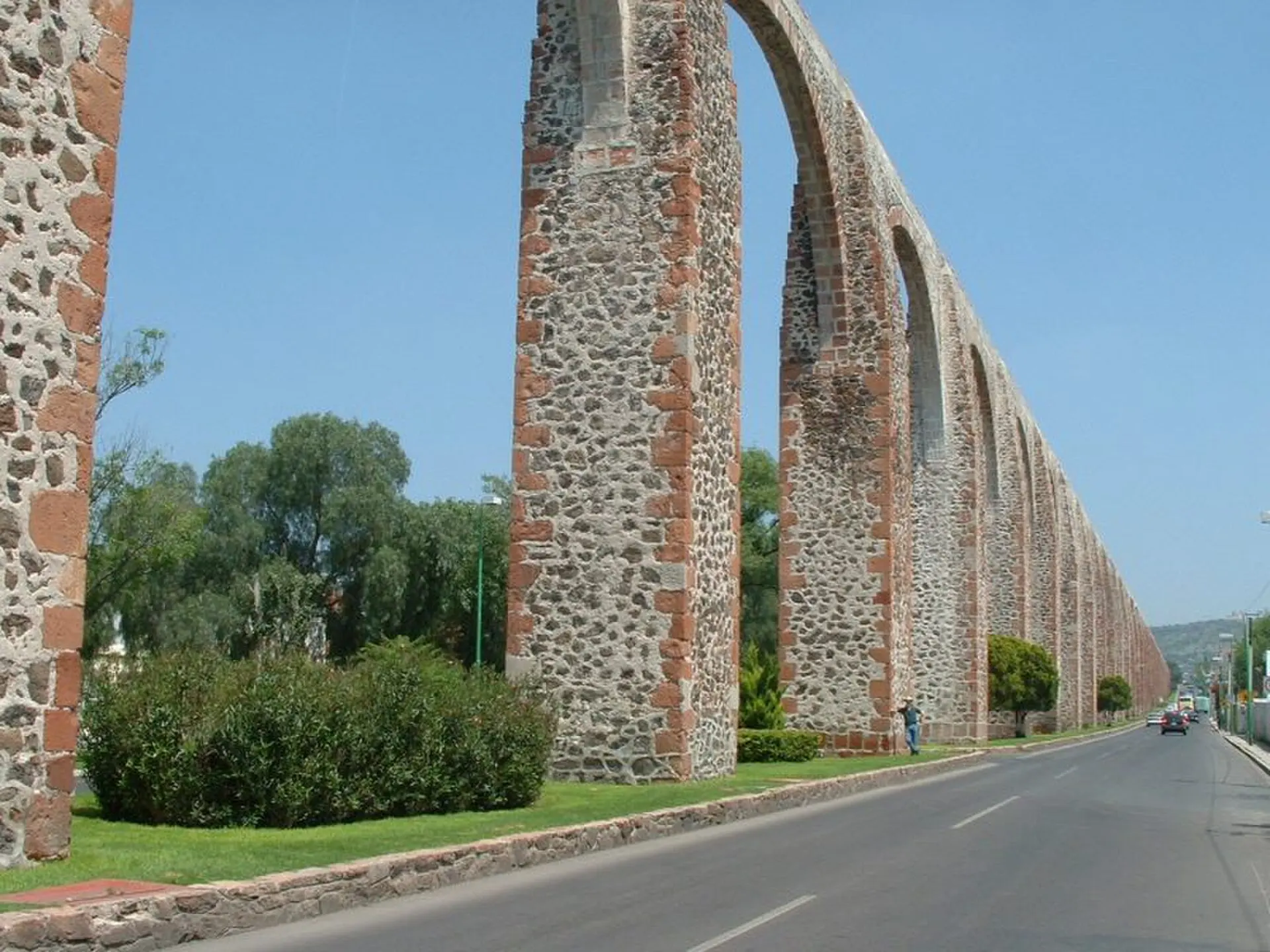
Travel guide · editorialIf you approach Querétaro by highway, you almost can't help passing the tall stone arches of the aqueduct, which have shaped the city's skyline for nearly 300 years. A city trip to Querétaro gives you one of Mexico's best-kept colonial centers, quiet plazas with fountains, and surroundings dotted with wineries and cheese makers – just about three hours north of the capital.
Where Mexico's History Was Made
The Spanish founded Santiago de Querétaro in 1531 in territory of the Otomí. Few cities have mattered as much to the nation's history: in 1810, conspirators around Josefa Ortiz de Domínguez, known as "La Corregidora," plotted the uprising against Spain here; when the plot was uncovered, she warned her fellow conspirators, and Miguel Hidalgo called for independence just a few days later. In 1867, Emperor Maximilian of Habsburg was executed on the Cerro de las Campanas, and in 1917 the constitution that remains in force today was adopted in the Teatro de la República. Since the 1990s, the city has been one of Mexico's economic hubs, with aerospace and automotive industries among others.
Sights in Querétaro
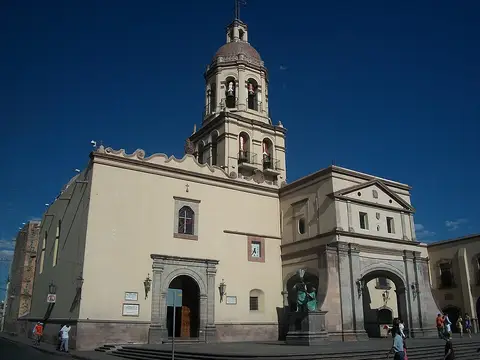
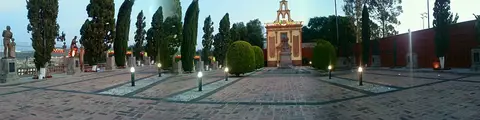
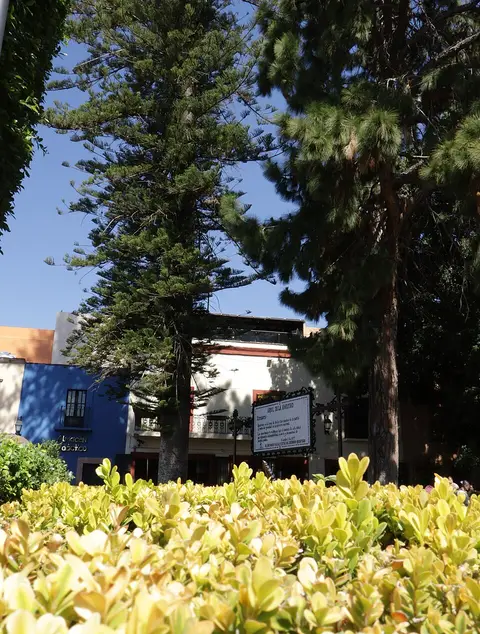
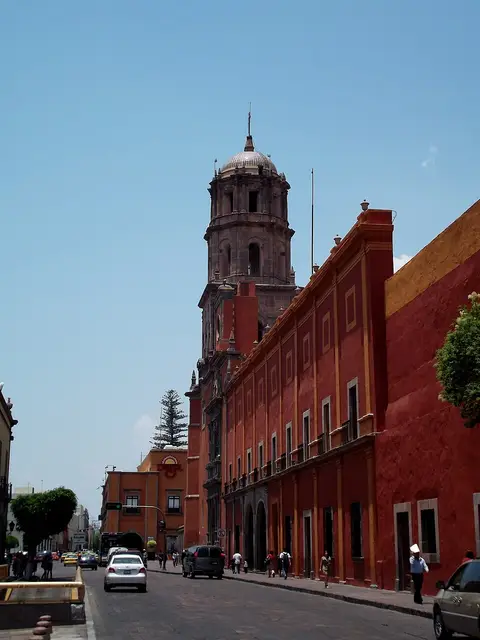
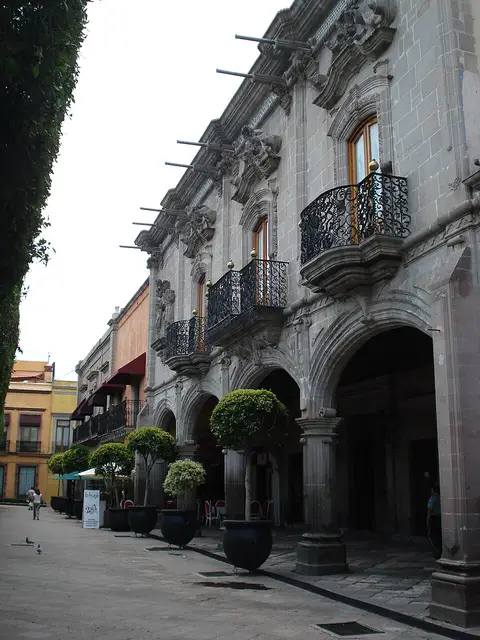
The historic center has been a UNESCO World Heritage Site since 1996. Its heart is made up of plazas such as the Jardín Zenea with its bandstand, the Plaza de Armas with the Neptune Fountain and colonial mansions, and the Plaza de los Fundadores. The church of Santa Rosa de Viterbo has unusual flying buttresses that curve outward and a magnificent Baroque interior; the Templo de Santa Clara is similarly lavish. The aqueduct, with its 74 arches, was built in the early 18th century and is more than 1.2 kilometers long and over 20 meters high; it leads to the Mirador, the best spot for taking in the whole sweep of the arches. In the evening, a stroll through the Barrio de la Cruz is worthwhile, with the Santa Cruz convent, where you can see the thorn tree whose spines are said to be shaped like crosses.
Museums and Culture
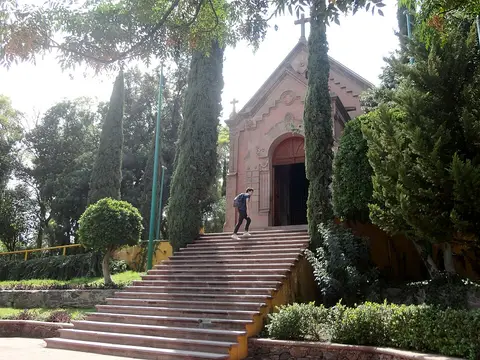
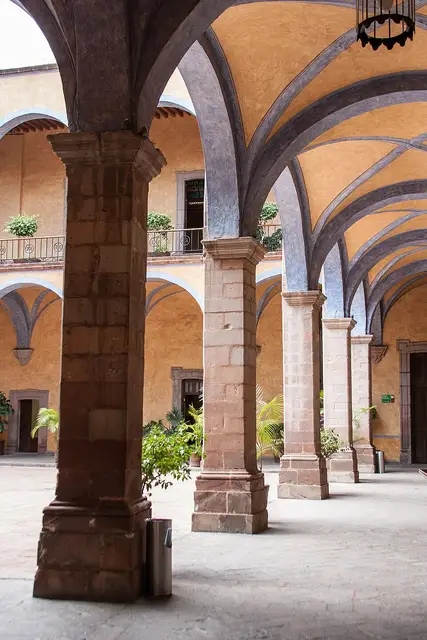
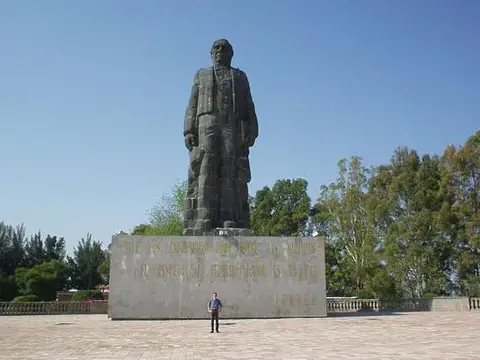
The Museo de Arte de Querétaro is housed in a former Augustinian monastery with one of the most beautiful Baroque cloisters in the Americas, decorated with grimacing stone figures. The Museo Regional in the Franciscan convent tells the city's history up to Maximilian's end. On the Cerro de las Campanas, a chapel donated by Austria and a huge statue of Juárez commemorate the year 1867. On weekends, Concheros dancers in feathered headdresses perform in the center. In the Teatro de la República, a hall commemorates the Constituent Assembly of 1917.
Eating in Querétaro
Restaurants in Querétaro serve dishes from the Bajío and Sierra Gorda regions. Typical fare includes enchiladas queretanas with chili sauce, potatoes, and carrots; gorditas de migajas, filled with the crispy bits left over from rendering lard; and nopal cactus salads. At the Mercado de la Cruz, you can eat cheaply at food stalls. The state is considered Mexico's second most important wine-growing region, and local cheese from Tequisquiapan and Bernal turns up on the tables of many restaurants.
Day Trips from Querétaro
The Ruta del Arte, Queso y Vino leads to wineries and cheese makers around Ezequiel Montes and Tequisquiapan, a small town with thermal baths. The best-known destination is Peña de Bernal, a gigantic monolith rising above the Pueblo Mágico of the same name. Farther north, the Franciscan missions of the Sierra Gorda, with their colorful facades, make up another UNESCO World Heritage Site. San Miguel de Allende is a little over an hour away. If you're traveling in late July or August, you can witness the grape harvest at many wineries; the Fiestas de la Vendimia bring tastings, music, and grape stomping to the villages. Hot-air balloon rides over the high plateau near Tequisquiapan are popular year-round.
Getting Around and Best Time to Visit
Querétaro International Airport (QRO) is about 30 kilometers east of the city and has direct flights to the U.S.; many travelers arrive by long-distance bus from Mexico City. You can explore the Centro Histórico on foot; for trips to the modern districts such as Milenio III or the Delegación Josefa Vergara, there are city buses and ride-hailing taxis. Querétaro is considered one of Mexico's safer large cities. The best time to visit is October through May, when the weather is dry and sunny; in summer it often rains in the afternoon.