
Discover Italy: From the Alps to Sicily
Travel guide · editorialFor many Germans, a vacation in Italy begins right past the Brenner Pass, where the villages of South Tyrol give way to vineyards and cypress trees. Along roughly 750 miles from north to south, you'll find glaciers, lakes, Renaissance cities, volcanoes, and islands, and every region has its own cuisine. No other country in the world has more World Heritage Sites.
Regions Between the Alps and the Mediterranean
The north is shaped by the Alps and the Dolomites, whose pale rock spires around the Tre Cime di Lavaredo and the Alpe di Siusi draw hikers and climbers. At the edge of the Alps lie Lake Garda, Lake Como, and Lake Maggiore, with palm trees, lemon groves, and villas. To the south stretches the flat Po Valley, Italy's breadbasket and home of Parmesan and Parma ham.
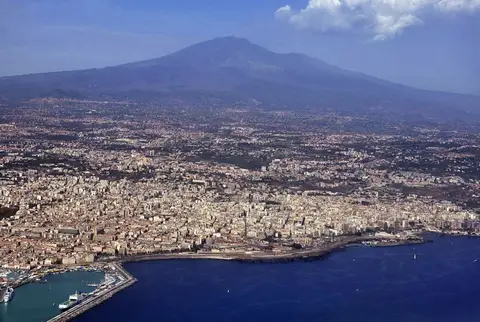
Tuscany, with its hills, cypress-lined roads, and wine estates in Chianti, is one of the classic Italian destinations, but Umbria and the Marche offer the same landscape, often with fewer crowds. Along the coast you'll find the colorful villages of the Cinque Terre in Liguria, the steep Amalfi Coast south of Naples, and the trulli landscape of Apulia at the heel of the boot. Sicily has Mount Etna, Europe's most active volcano, and Sardinia has bays with water in Caribbean colors. In between lie smaller islands such as Capri, Ischia, Elba, and the Aeolian Islands with the perpetually rumbling Stromboli.
Rome, Florence, Venice, and the Great Cities
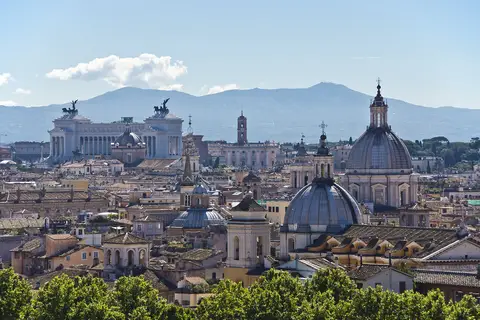
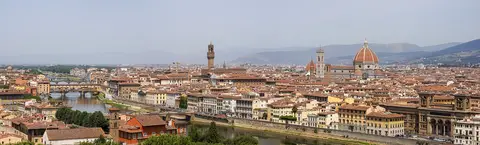
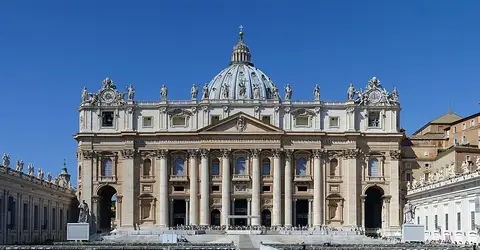
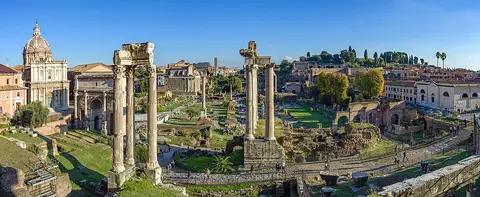
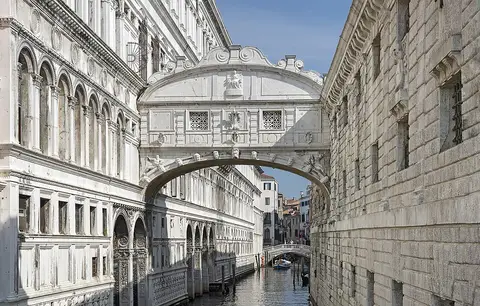
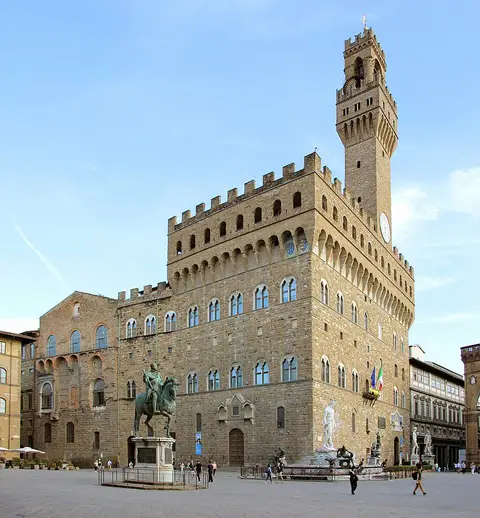
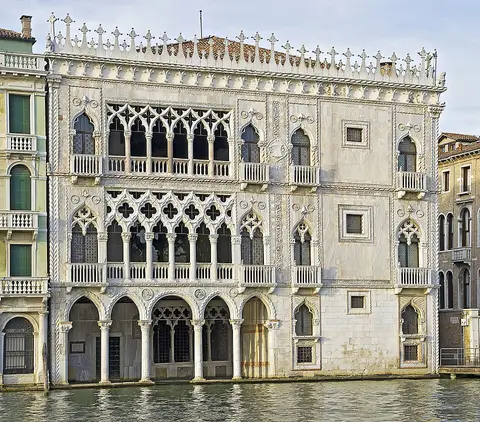
If you want to see Italy's major sights, you'll usually start in Rome, a city where eras are stacked on top of one another. The Colosseum, the Roman Forum, and the Pantheon stand amid the traffic, just steps from Baroque squares like Piazza Navona. At the Vatican, St. Peter's Basilica and the Sistine Chapel await, and in the evening you'll head to Trastevere for dinner. Florence packs the Renaissance into a small space, from Brunelleschi's cathedral dome to the Uffizi to the David in the Galleria dell'Accademia. Venice remains unique, with no cars, canals, and vaporetti; on peak days, a entrance fee is now charged to day visitors.
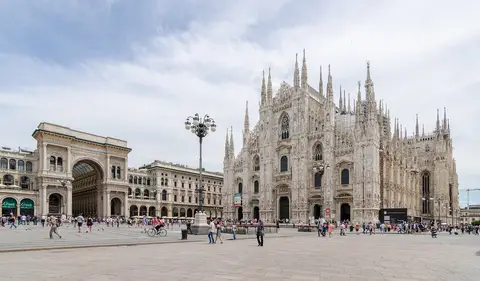
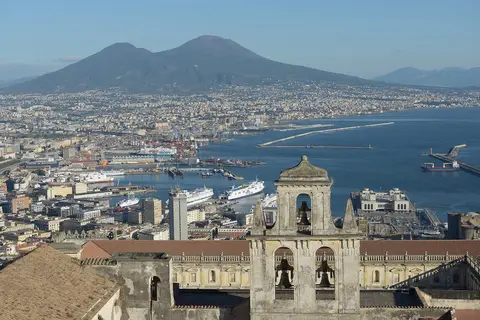
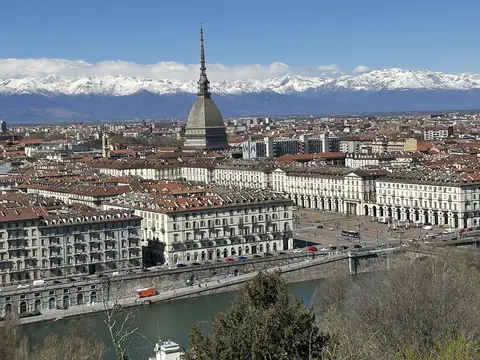
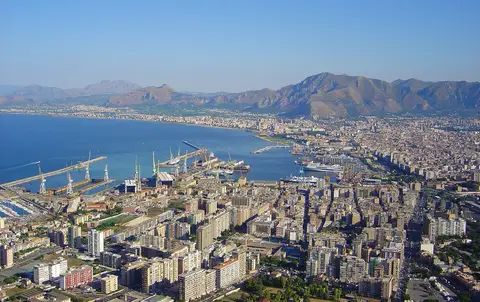
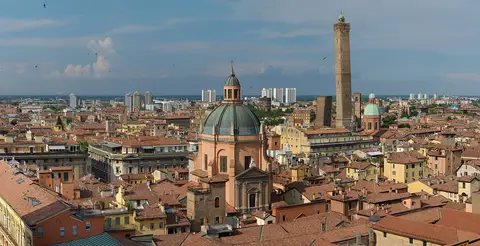
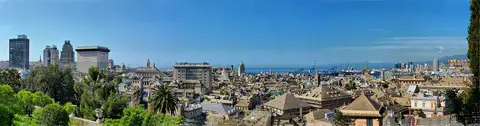
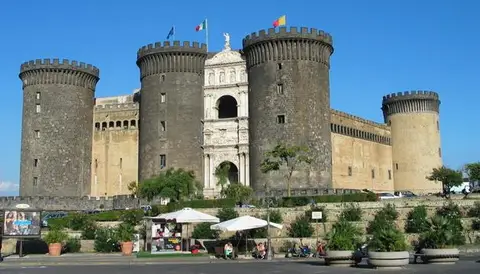
Milan is the city of fashion and design, with its Gothic cathedral, Leonardo's Last Supper, and aperitivo in the Navigli district. Turin, once the seat of the House of Savoy, has elegant arcades, the Egyptian Museum, and a café culture. Bologna is the city of towers, arcades, and Europe's oldest university, while Genoa has one of the largest medieval old towns on the continent. Naples is loud, chaotic, and warm-hearted, with Pompeii and Herculaneum on its doorstep. In Sicily, Palermo with its Arab-Norman churches and markets like Ballarò and Catania at the foot of Etna are on the itinerary.
Culture and History
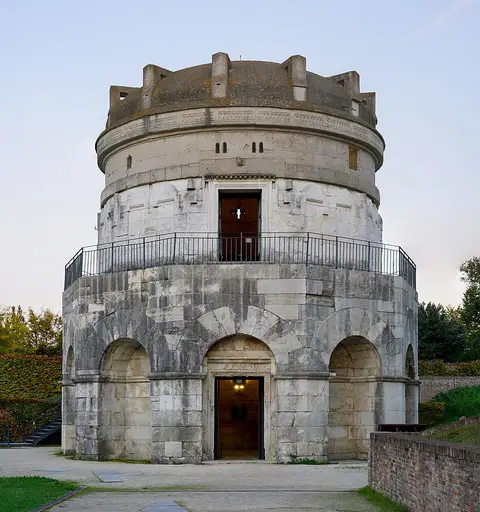
Etruscan tombs, Roman roads, Byzantine mosaics in Ravenna, Greek temples in Agrigento and Paestum: Italy's history is visible everywhere. The country wasn't unified until 1861; before that it was a patchwork of city-republics, duchies, the Papal States, and kingdoms. This long history of particularism explains why Florentines, Neapolitans, and Venetians are still proud of their distinct identities. With around 60 World Heritage Sites, Italy tops the UNESCO list.
In everyday life, culture lives on in the passeggiata, the evening stroll along the main street, in patron saint festivals with processions and fireworks, and in events like the Palio of Siena, where riders from the city's districts race bareback around the Piazza del Campo. Opera has its most famous stages in the Arena di Verona and Milan's La Scala.
Eating and Drinking in Italy
Italian cuisine is really a collection of regional cuisines. Rome is known for carbonara and cacio e pepe, Bologna for tagliatelle al ragù and mortadella, Naples for pizza with a soft, airy crust. In Milan, risotto alla milanese with saffron belongs on the table, in Liguria pasta with pesto genovese, and in Sicily arancini, caponata, and cannoli. Tuscany serves bistecca alla fiorentina and ribollita, a bread soup stew.
As for wine, the selection ranges from Barolo in Piedmont to Chianti and Brunello in Tuscany, to Primitivo in Apulia and Nero d'Avola in Sicily. Espresso is drunk standing at the bar, cappuccino after noon is considered a faux pas, and before dinner an aperitivo with a spritz or Negroni is almost obligatory.
Getting Around Italy
From southern Germany, you can easily reach northern Italy by car via the Brenner Pass or through Switzerland; the highways charge tolls. Major airports include Rome Fiumicino, Milan Malpensa and Linate, Venice, Naples, Bologna, Catania, and Palermo. For city trips, the train is the best way to travel: high-speed trains from Trenitalia and Italo connect Milan and Rome in about three hours, with Florence and Bologna along the route. In old town centers, car access is often restricted in so-called ZTL zones, where cameras can result in expensive fines. For Tuscany, Apulia, or Sicily, though, a rental car is worth it.
Best Time to Visit Italy
The best times to visit Italy are spring and fall. In April, May, and June, as well as September and October, temperatures in Rome and Florence range from 68 to 82°F, and there are fewer visitors than in high summer. In July and August, temperatures in the south and in the cities often climb above 95°F, and many people head to the beaches or the mountains. A beach vacation by the sea is ideal from June to September, in Sicily into October. The Dolomites are accessible for hiking from June to October and are one of Europe's most popular ski areas in winter.