Discover Verona: Arena, Romeo and Juliet, Wine
Travel guide · editorialWhen thousands of candles flicker on the tiers of the Roman arena on summer evenings and Verdi's "Aida" begins, Verona shows its most famous side. A city break in Verona combines Roman monuments, medieval squares, and the vineyards of Valpolicella – and makes an ideal start to a vacation on Lake Garda.
A City in a Bend of the Adige
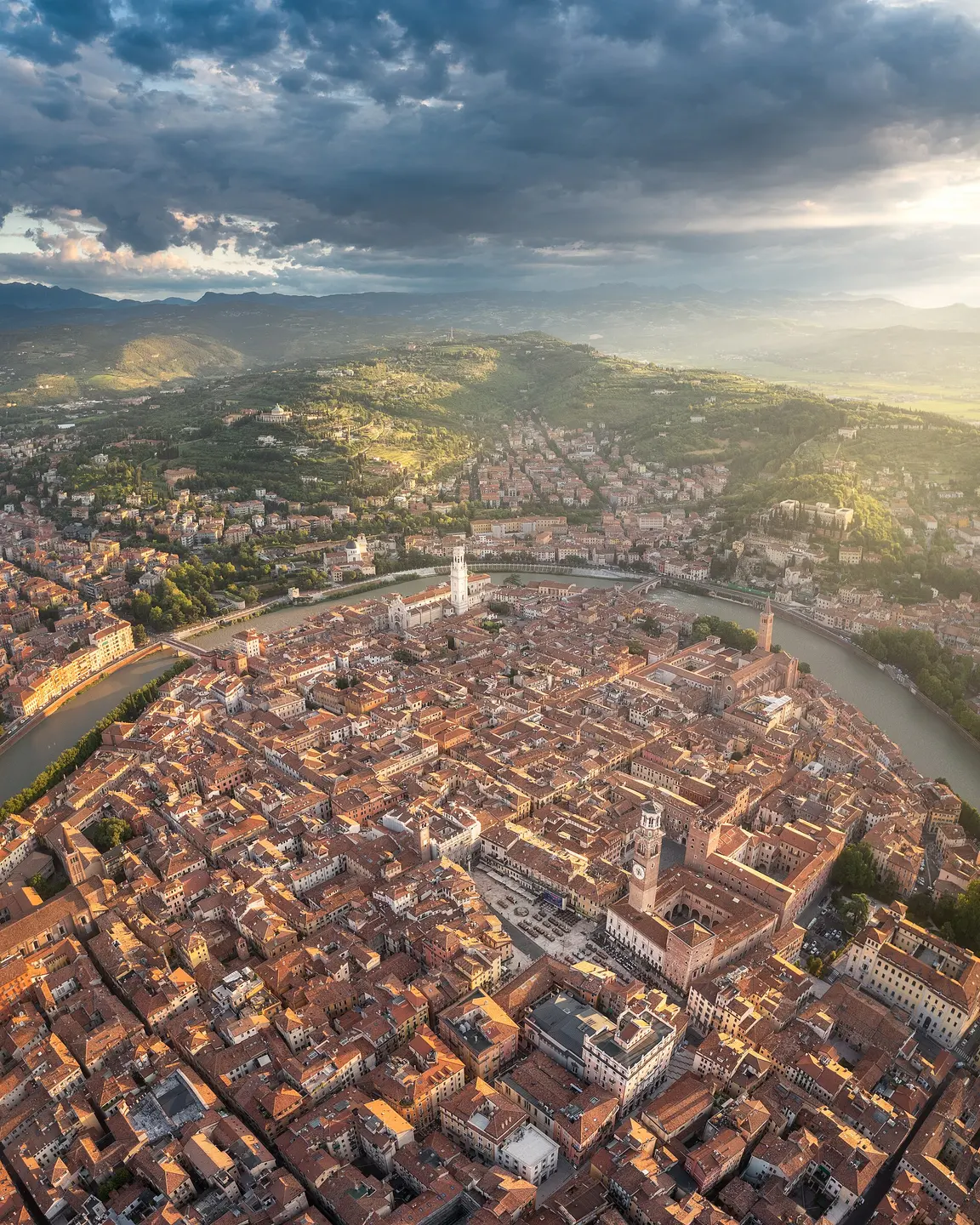
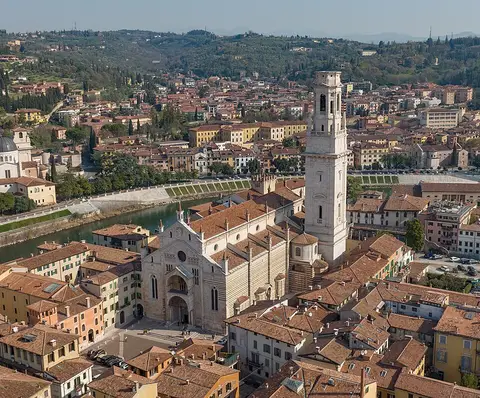
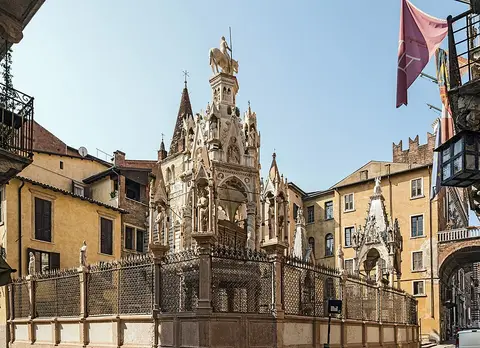
The Adige River wraps around the old town in a tight loop, something the Romans already appreciated. Verona was an important junction on the Via Postumia and the Via Claudia Augusta. In the Middle Ages the Scaligeri ruled, and their Gothic tombs, the Scaliger Tombs, stand next to the church of Santa Maria Antica. Afterward Verona belonged to Venice for centuries, and in the 19th century it was a fortress in the Austrian Quadrilateral. The entire old town has been a UNESCO World Heritage Site since 2000.
Sights in Verona
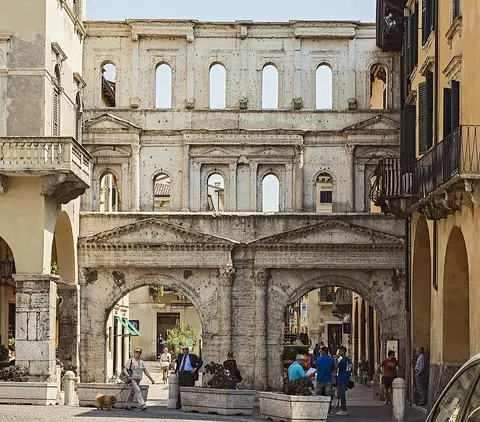
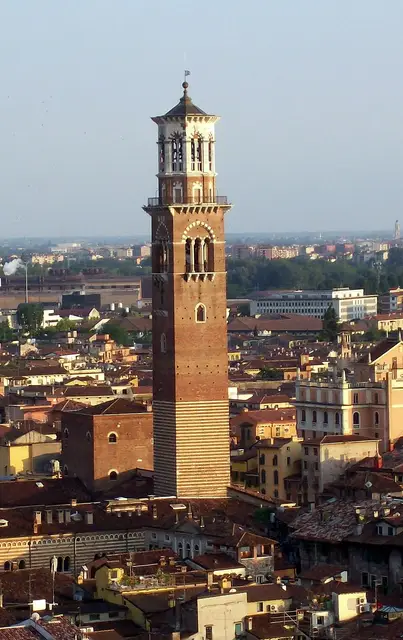
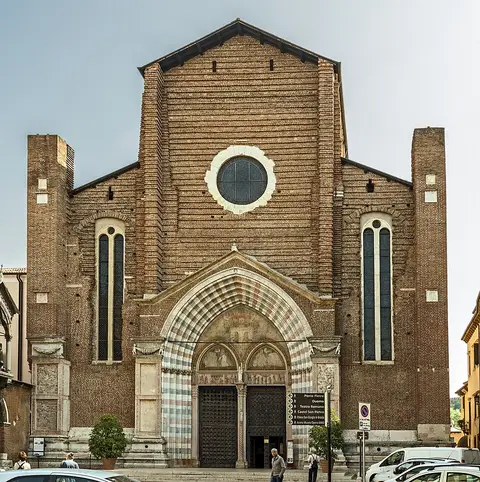
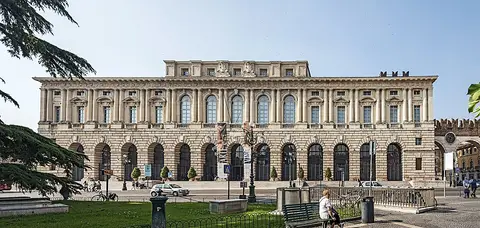
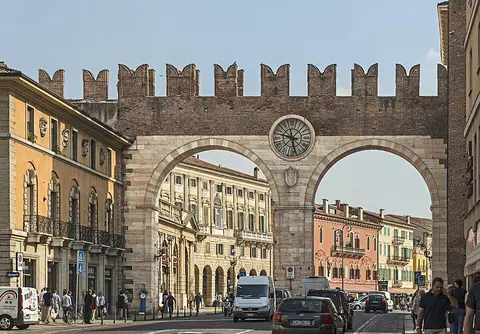
The Arena on the wide Piazza Bra is one of the best-preserved Roman amphitheaters and has been used for opera performances for over a hundred years. Via Mazzini, the main shopping street, leads to Piazza delle Erbe, with its market stalls, palazzi, and the Madonna Verona statue. Right next to it lies Piazza dei Signori with the Dante monument; from the Torre dei Lamberti you can look out over the tiled rooftops. Castelvecchio, with its crenellated bridge, houses an art museum redesigned by the architect Carlo Scarpa. San Zeno Maggiore is considered one of the most beautiful Romanesque churches in Italy, with bronze doors and an altarpiece by Mantegna.
Romeo, Juliet, and the Other Side of the Adige
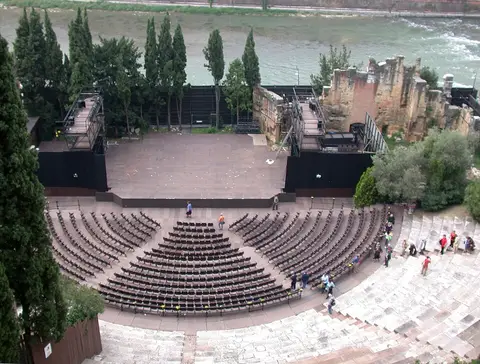
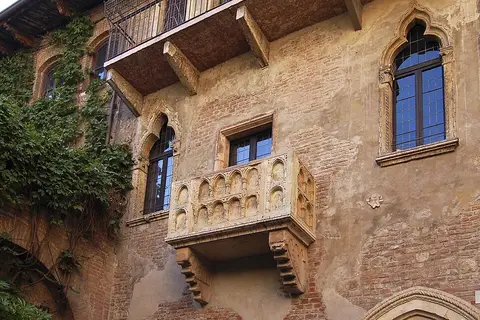
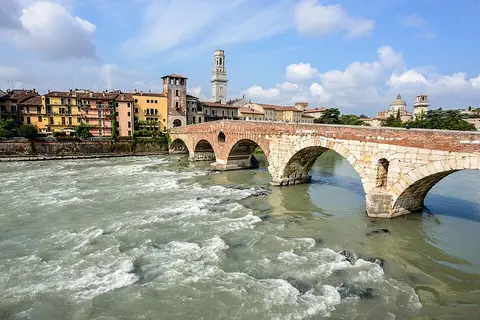
In the courtyard of the Casa di Giulietta, visitors crowd beneath a balcony that was only added in the 20th century – Shakespeare's lovers are literary fiction, but the myth lives on. It's quieter on the far side of the Adige: across the Ponte Pietra, rebuilt after the war using the original stones, you reach the Roman theater and can climb up to Castel San Pietro, the city's finest viewpoint. Students live in the Veronetta district, where bars and trattorias are cheaper. In the evening, a stroll along the Lungadige, the riverside path along the Adige, is well worth it.
Food and Wine
Verona's cuisine is hearty: risotto all'Amarone, bigoli with duck ragù, pastissada de caval, a horse-meat stew, and gnocchi, which even have a carnival festival dedicated to them. For something sweet, try pandoro, Verona's star-shaped Christmas cake. Valpolicella, Amarone, Soave, and Bardolino grow around the city; in April, Vinitaly, one of the world's largest wine fairs, takes place here.
Getting Around and Best Time to Visit
Villafranca Airport is about 12 kilometers (7.5 miles) southwest of the city, and a shuttle bus runs to Porta Nuova station. Verona lies on the Brenner railway and on the Milan–Venice line. The old town is compact and can largely be explored on foot; buses serve the outlying districts. The opera season runs from June to early September; during that time, accommodations book up early. If you plan to visit several monuments, you can save with the VeronaCard, which bundles admissions and bus rides. In December, a Christmas market takes over Piazza dei Signori, and a giant steel star rises above the Arena. Excursions lead to Lake Garda, Sirmione and Lazise, the vineyards, or Vicenza to see Palladio's buildings.