
Veneto: Lagoon, Palladio, and the Dolomites
Travel guide · editorialThe Veneto stretches from the canals of Venice to the rock spires of the Dolomites, and from the eastern shore of Lake Garda to the Adriatic beaches of Jesolo. On a vacation in the Veneto, you can combine opera in the Arena di Verona, Palladian villas, Prosecco hills, and a beach holiday all in one place.
Landscape Between Lagoon and Mountains
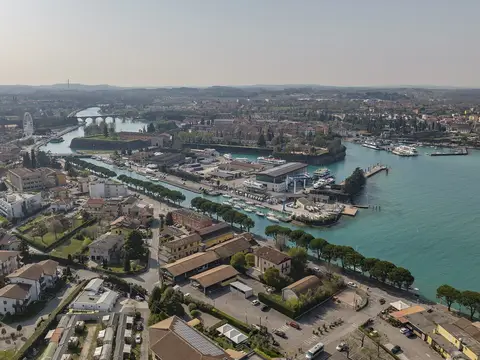
The region extends from the Po Delta in the south to the Austrian border. The coast consists of lagoons, barrier islands, and flat sandy beaches. Behind it lies a densely settled, fertile plain from which the Euganean Hills and the Berici Hills rise. To the north come the Prealps with Monte Grappa and the Asiago Plateau, and finally the Dolomites around Cortina d'Ampezzo with the Tre Cime di Lavaredo and the Marmolada, the highest peak in the Dolomites. In the west, the eastern shore of Lake Garda, with towns such as Bardolino, Garda, and Malcesine, marks the border with Lombardy.
Venice and the Lagoon
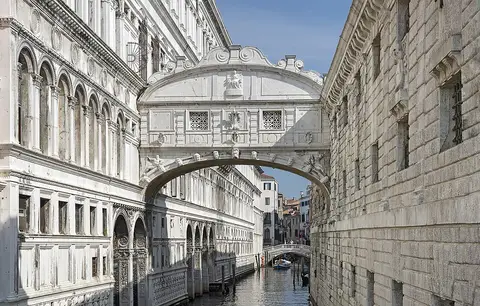
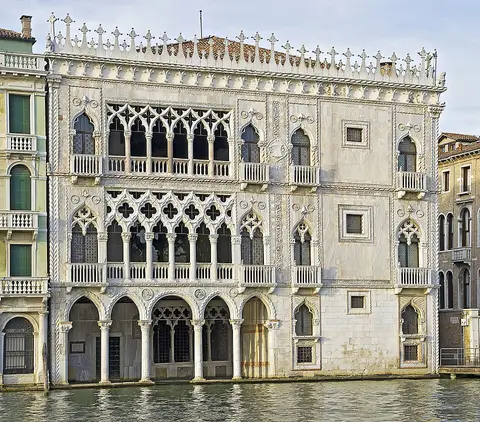
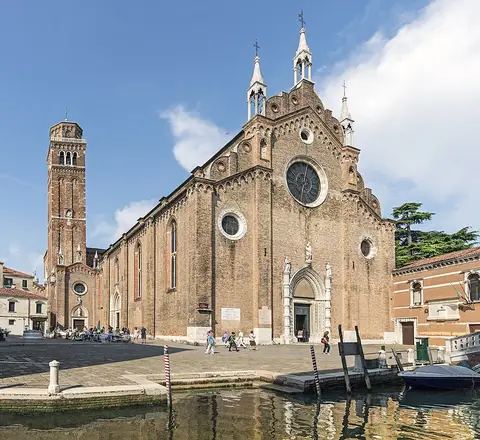
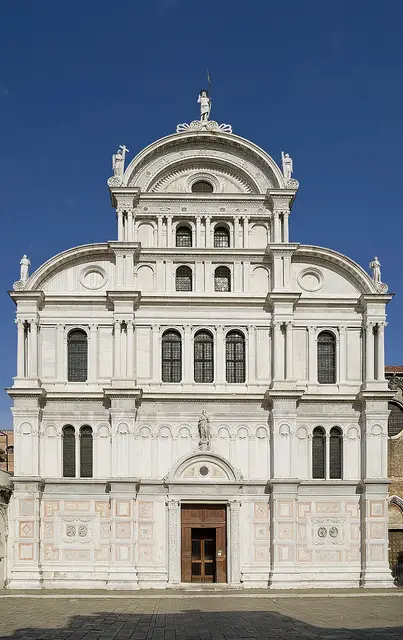
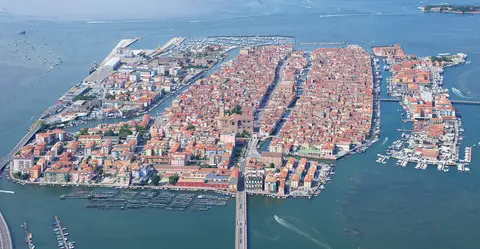
Venice is built on more than a hundred islands connected by around 400 bridges. St. Mark's Square, the Basilica, and the Doge's Palace form the heart of the former maritime republic, and the Grand Canal is its grand boulevard. If you're looking for a quieter Venice, head to Cannaregio with its old Ghetto or to Castello, where the Biennale takes place. Glass is blown on Murano, colorful fishermen's houses light up Burano, and Torcello is home to a cathedral with Byzantine mosaics. On some days, the authorities charge day visitors an entrance fee. At the southern end of the lagoon lies Chioggia, a fishing town with canals and a lively fish market, often called a little Venice.
Verona, Padua, Vicenza, and Treviso
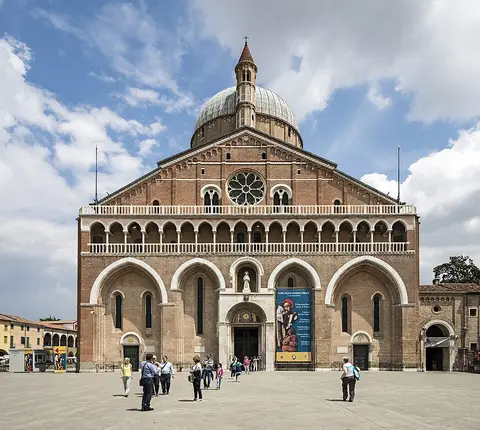
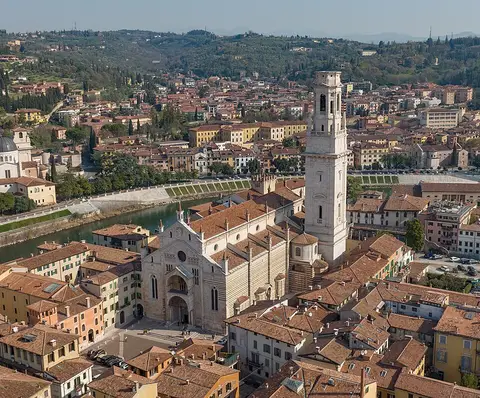
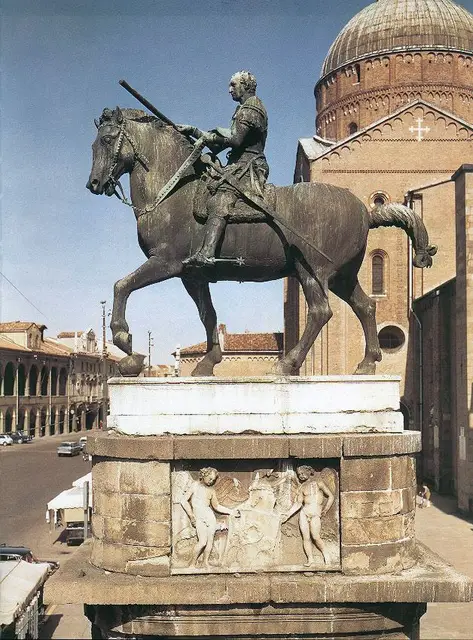
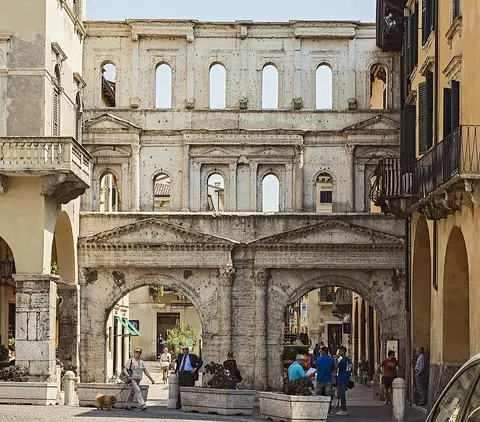
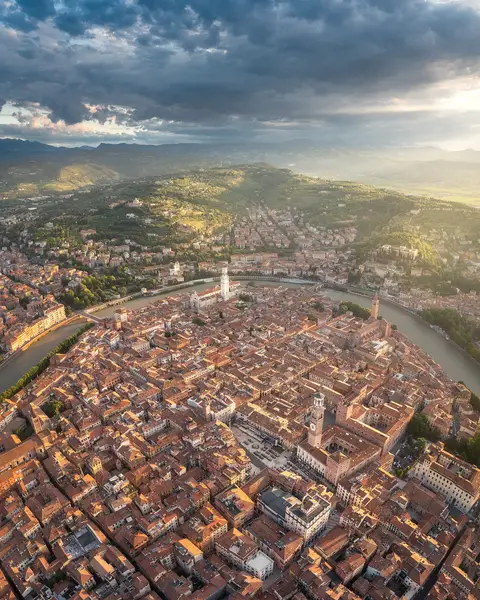
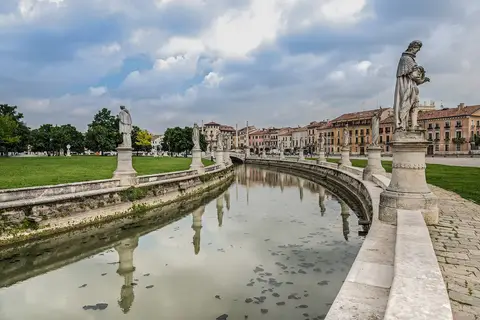
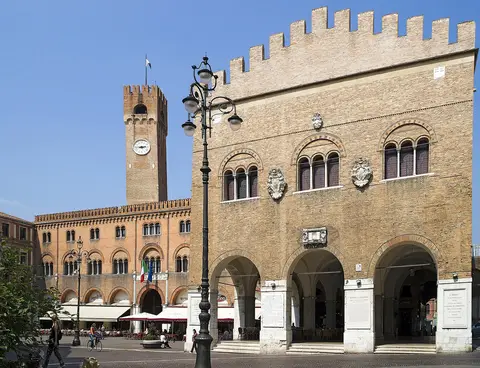
Verona is a magnet, with its Roman arena, which hosts opera festivals every summer, the Piazza delle Erbe, and the supposed balcony of Juliet. Padua has one of Europe's oldest universities, the world's oldest botanical garden, and Giotto's frescoes in the Scrovegni Chapel. Vicenza is the city of Andrea Palladio: the Teatro Olimpico and Villa La Rotonda became models for Neoclassical architecture as far away as America. More Palladian villas line the Brenta Canal between Padua and Venice. Treviso, crisscrossed by waterways, is considered the home of tiramisù and, thanks to its airport, is often the first stop for travelers heading to Venice.
Sights in the Veneto: Beaches and Mountains
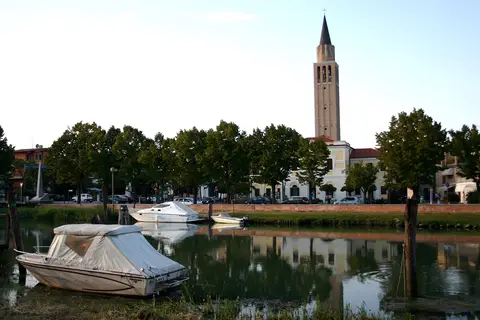
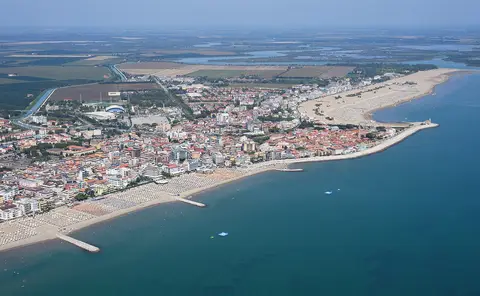
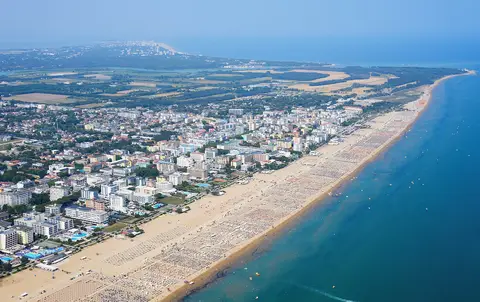
Some of Italy's biggest beach resorts lie along the Adriatic. Jesolo, with its broad, miles-long sandy beach, hotels, and nightlife, attracts mainly families and young people. Caorle is quieter, with its colorful old town, round bell tower, and fishing harbor. Bibione and Sottomarina round out the coast. In the mountains, Cortina d'Ampezzo, which will host the 2026 Winter Olympics together with Milan, is the most famous destination; in summer, via ferrata routes, mountain huts, and hikes around the Cinque Torri are the draw. The Euganean Hills offer spa towns such as Abano Terme and the poets' village of Arquà Petrarca.
Food and Drink
In Venice, a visit to a bacaro is a must: in small wine bars you order cicchetti, small bites such as baccalà mantecato and sarde in saor, along with a glass of wine called an ombra. Risi e bisi, bigoli in salsa, and polenta are Venetian staples. Radicchio from Treviso, white asparagus from Bassano, and Asiago cheese are regional specialties. Wine lovers will find Amarone and Valpolicella north of Verona, Soave to the east, and Prosecco in the hills of Conegliano and Valdobbiadene, whose landscape is a World Heritage Site. The Spritz is said to have been invented here in the Veneto.
Getting There and Best Time to Visit
Venice Marco Polo, Treviso, and Verona airports are well served by flights, and the Brenner motorway and trains from Munich reach Verona directly. Within the region, the cities are quickly connected by rail, and vaporetti serve the lagoon. The best times to visit the cities are spring and fall; in summer, Venice and the beaches get very crowded, while the Dolomites are ideal for hiking. Carnival in February and the Regata Storica in September are highlights in Venice, and in winter you may encounter high water, known as acqua alta. Since 2020, the movable flood barriers of the MOSE system have protected the lagoon at high water levels, though they don't guarantee completely dry feet.