Discover Padua: Giotto, St. Anthony, and Prato
Travel guide · editorialJust half an hour by train from Venice, yet with a rhythm all its own: Padua is a university town, a pilgrimage destination, and a treasure house of painting. A city break in Padua leads you to Giotto's revolutionary frescoes, across broad market squares, and into arcaded lanes where students gather for a spritz.
Scholars and Saints
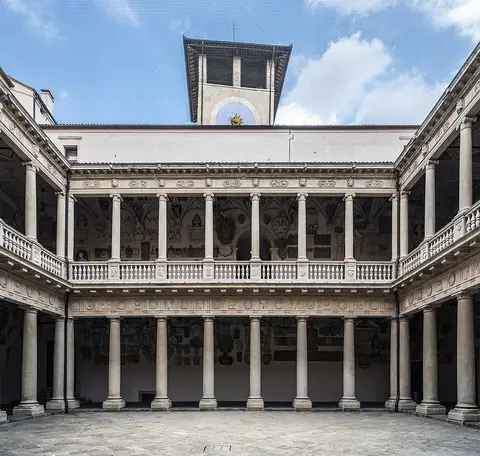
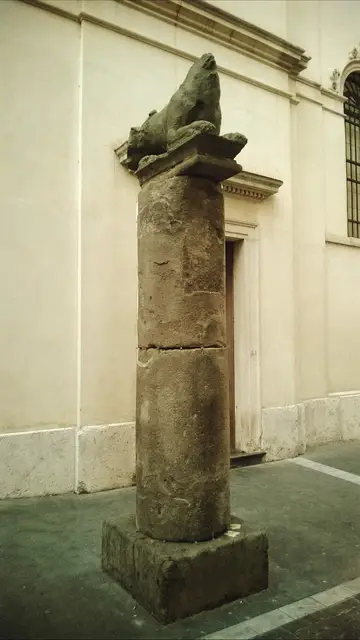
Padua is considered one of the oldest cities in northern Italy; according to legend, it was founded by the Trojan Antenor. The university, founded in 1222, is one of the oldest in Europe. Galileo Galilei taught here for almost two decades, and in 1678 Elena Lucrezia Cornaro Piscopia became the first woman in the world to receive a doctorate, at the University of Padua. The Palazzo del Bo, the main building, houses the oldest surviving permanent anatomical theater in the world. For centuries the city belonged to the Republic of Venice, whose lion still adorns many facades.
Sights in Padua
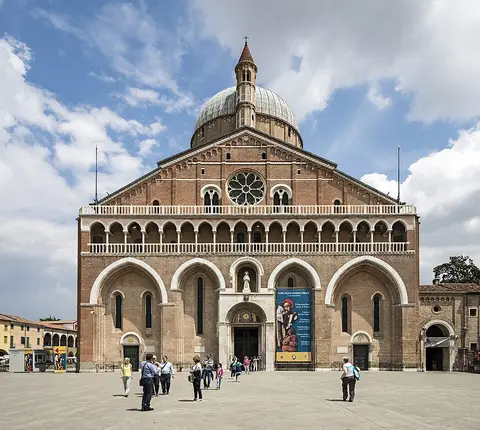
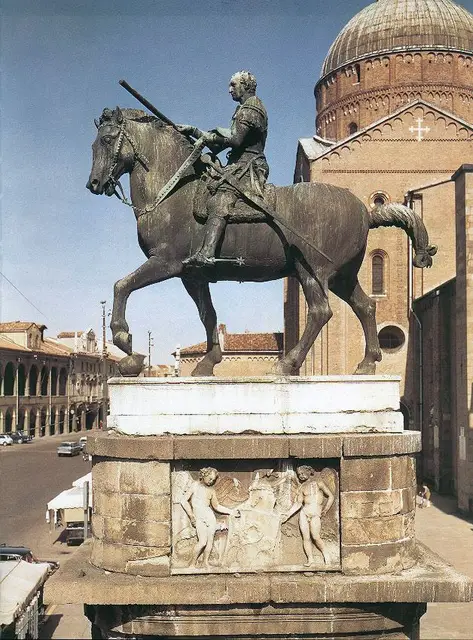
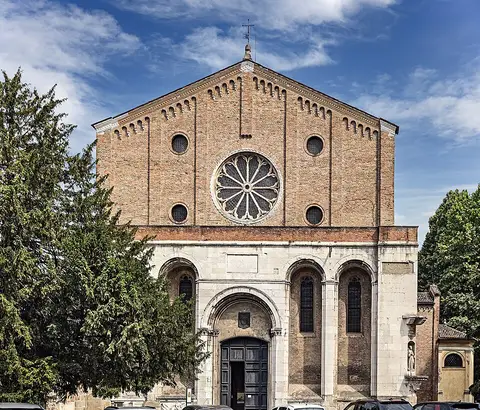
The Scrovegni Chapel is the reason many art lovers travel to Padua. Around 1305, Giotto painted a cycle here on the lives of Mary and Christ, whose lifelike figures and deep-blue starry sky anticipated Renaissance painting. Visits are only possible with a timed entry slot, so booking ahead is advisable. Since 2021, the 14th-century fresco cycles in several buildings across the city have been part of a UNESCO World Heritage Site. The Basilica of St. Anthony, with its Oriental-looking domes, attracts pilgrims from around the world every year; in front of it stands Donatello's equestrian statue of Gattamelata. Nearby is the Orto Botanico, founded in 1545 and the oldest university garden in the world still at its original location.
Squares and Markets
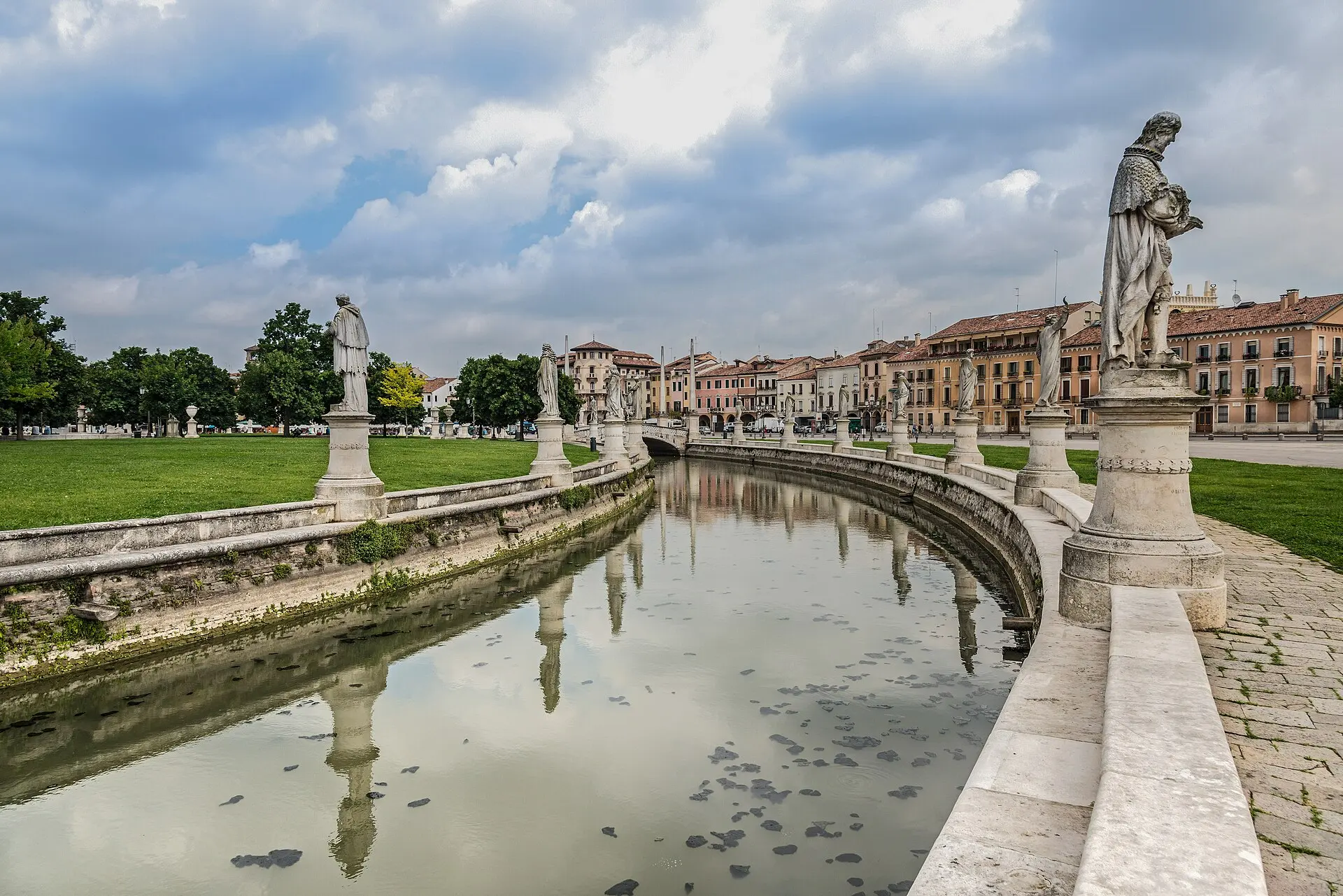
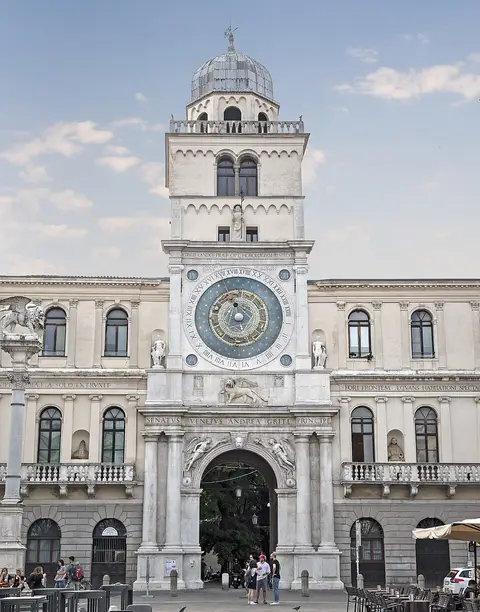
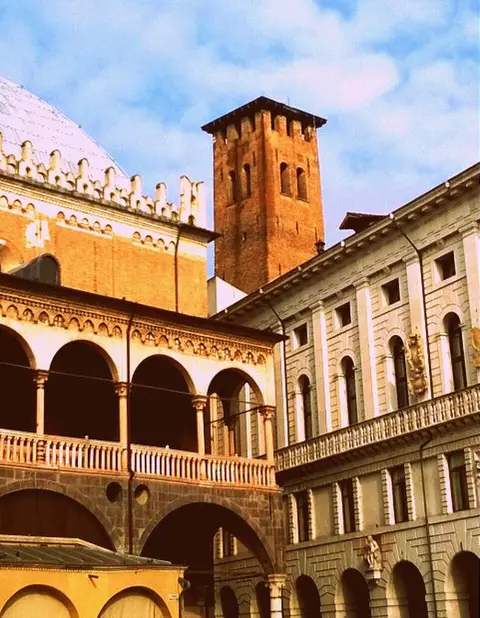
The Palazzo della Ragione, with its enormous frescoed hall, divides two market squares: Piazza delle Erbe and Piazza della Frutta. Under its arcades, butchers, cheesemongers, and bakers have been selling their wares for centuries. In the evening the squares turn into meeting points for aperitivo, and Padua claims to be one of the homes of the spritz. The Prato della Valle is considered one of the largest squares in Europe: an elliptical island surrounded by a canal and 78 statues of famous figures.
Eating in Padua
The cuisine is distinctly Venetian: bigoli with duck sauce, risotto, boiled meat with salsa verde, and chicken of the local Padovana breed. At Caffè Pedrocchi, a neoclassical coffeehouse from the 19th century that once stayed open day and night, you can order the caffè Pedrocchi with mint cream and cocoa. Cicchetti are a popular starter, small bites like those in Venice, eaten standing up with a glass of wine.
Getting Around and Day Trips
Padua lies on the main Milan–Venice rail line, and the nearest airport is Venice Marco Polo, reachable by bus in about an hour. A tram line connects the train station with the center and the southern neighborhoods. Worthwhile day trips lead to the Euganean Hills with thermal spa towns such as Abano Terme, to the villas along the Brenta, and to Vicenza. The best times to visit are spring and early fall; on June 13, the city celebrates its patron saint, St. Anthony, with a large procession.