
Discover Venice: Canals, Campi, and the Lagoon
Travel guide · editorialNo cars, but boats, bridges, and the lapping of the canals: Venice is built on more than a hundred islands in a lagoon and remains unrivaled to this day. A vacation in Venice is especially rewarding away from the big crowds, in quiet campi and on the islands – a city break that stays with you for good.
La Serenissima
Fleeing the Lombards and Huns, mainland residents began settling on the lagoon islands in the 5th century. Out of this grew the Republic of Venice, the "Serenissima," which lasted for over a thousand years and rose to become a maritime power between the Orient and the Occident. The doges ruled from their palace on St. Mark's Square, and merchants such as Marco Polo traveled as far as China. In 1797, Napoleon ended the republic's independence. Today Venice and its lagoon are a UNESCO World Heritage Site; for some years now, the high water known as "acqua alta" has been held in check by the MOSE barrier system at the lagoon inlets.
Sights in Venice
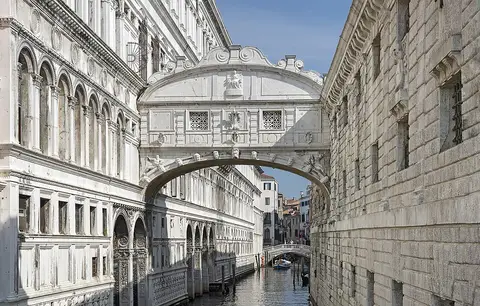
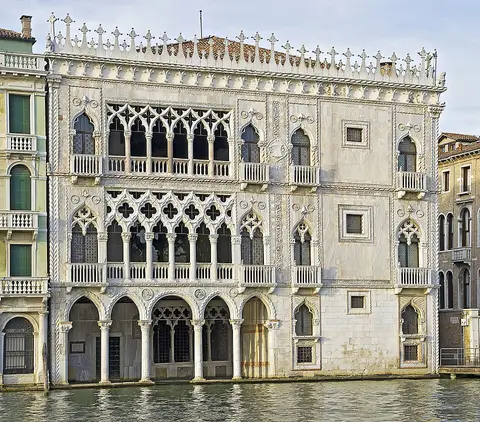
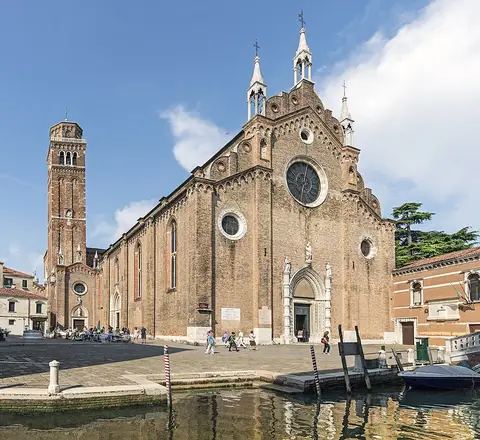
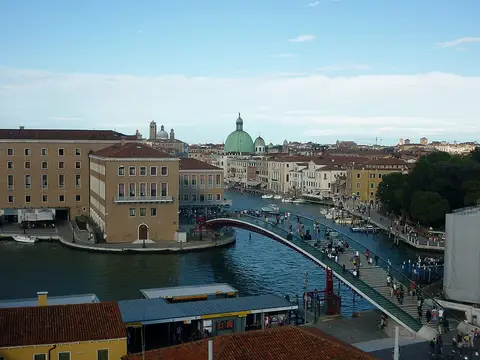
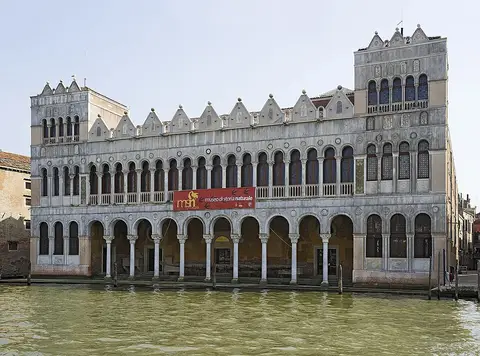
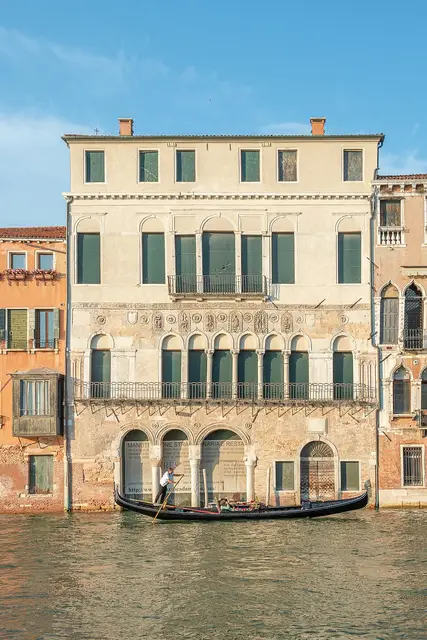
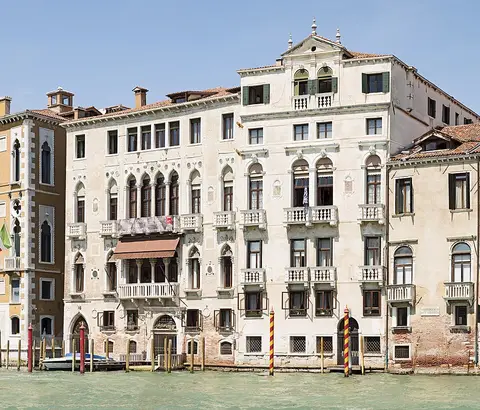
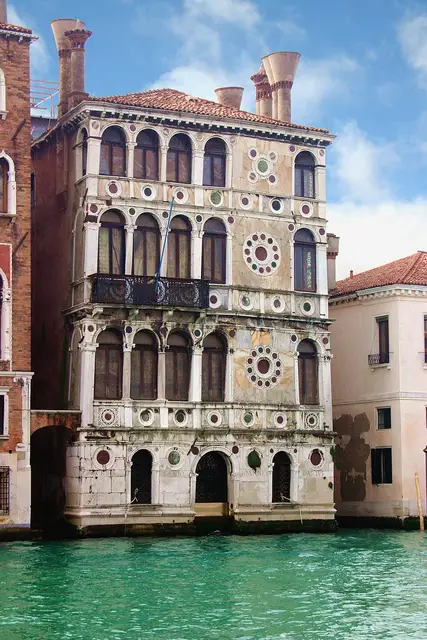
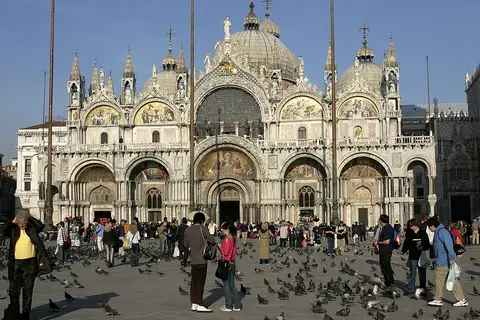
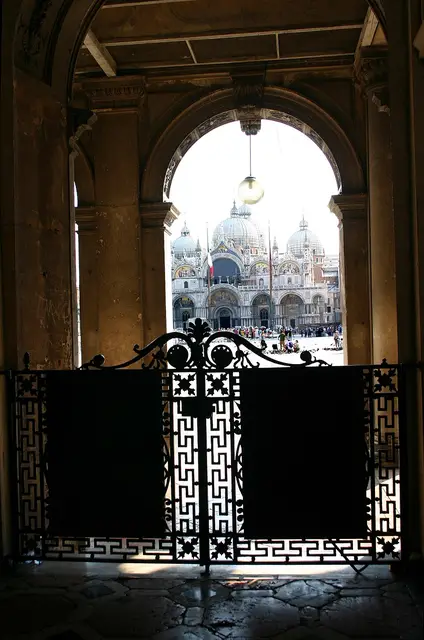
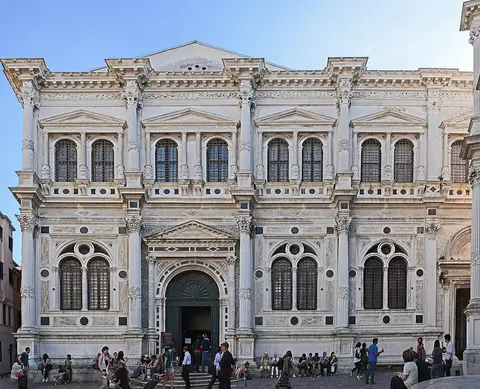
St. Mark's Square is home to St. Mark's Basilica with its golden mosaics, the Campanile, and the Doge's Palace, from which the Bridge of Sighs leads to the prison. The Grand Canal, lined with palaces, winds through the city in an S-curve; a ride on vaporetto line 1 is the cheapest city tour you can get. For centuries, the Rialto Bridge was the only fixed crossing. Worth a visit are the Frari Church with Titian's "Assumption," the Scuola Grande di San Rocco with Tintoretto's cycle of paintings, and the domed church of Santa Maria della Salute. On certain days in spring and summer, the city charges day visitors an entrance fee; overnight guests are exempt.
Sestieri and Islands
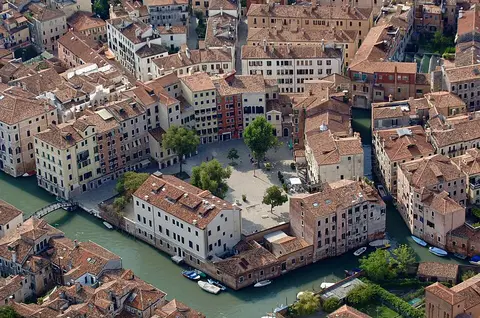
The old town is divided into six sestieri. San Marco is the center, while Cannaregio, with the former Ghetto – the word originates here – feels calmer and more everyday. Castello is home to the Arsenale and the Biennale gardens, Dorsoduro to the art museums and the Zattere waterfront promenade. San Polo and Santa Croce include the Rialto Market and winding alleys. The Lido has beaches for swimming and, every year in late summer, the film festival. Murano is known for glass, Burano for colorful houses and lace, and Torcello for its Byzantine cathedral. On the mainland lies Mestre, where many residents live and hotels are cheaper.
Museums and Culture
The Gallerie dell'Accademia shows Venetian painting from Bellini to Tiepolo, and the Peggy Guggenheim Collection presents modern art in a palazzo on the Grand Canal. The Pinault Foundation runs the Palazzo Grassi and the Punta della Dogana. Every two years, the Biennale – alternating between art and architecture – turns the Arsenale and Giardini into a world's fair. The La Fenice opera house has been magnificently rebuilt after two fires. In February, the city celebrates Carnival with masks and costumes.
Eating in Venice
Venetians go to the "bacaro": in small wine bars you'll find cicchetti, small bites such as baccalà mantecato on polenta, sarde in saor, and polpette, along with an "ombra," a small glass of wine, or a spritz. Typical dishes include risi e bisi, bigoli in salsa, and fegato alla veneziana. At the fish market near Rialto you can see what comes out of the lagoon. If you avoid the main thoroughfares, you'll find far more honest prices in Cannaregio and Castello.
Getting There and Best Time to Visit
From Marco Polo Airport, buses run to Piazzale Roma, and Alilaguna boats go directly into the city. Santa Lucia train station sits on the Grand Canal. Gondolas are an expensive pleasure; the traghetti, gondola ferries across the Grand Canal, cost only a few euros. The best times to visit are spring and fall; in November the city is atmospheric, but high water is possible. In summer the crowds are thick, and if you can, plan the early morning hours and the evening for the major sights, when the day-trippers and cruise passengers have left. A timed pass for the vaporetti pays off from just two rides a day. For excursions to the mainland, consider Padua, Treviso, and the Palladian villas along the Brenta, which you can reach by boat trip along the old Burchiello route.