Discover Matera: The Cave City of the Sassi
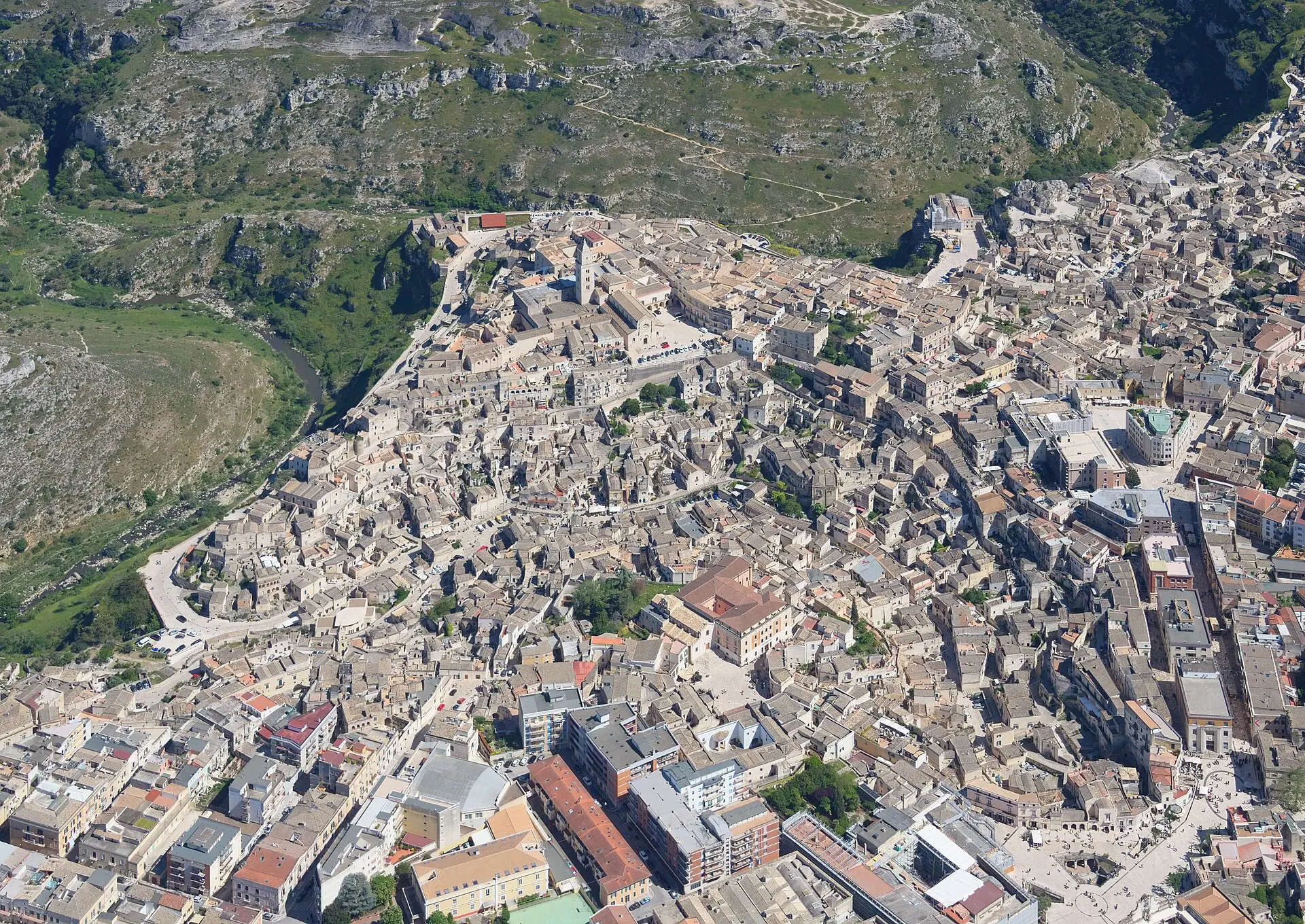
Travel guide · editorialHouses, churches, and staircases stacked on top of one another along the slopes of a ravine, many of them carved into soft tuff stone: Matera looks like a film set – and has served as one often enough, from the Jesus film to James Bond. A trip to Matera takes you to one of the oldest continuously inhabited settlements in the world.
From "Italy's Shame" to Capital of Culture
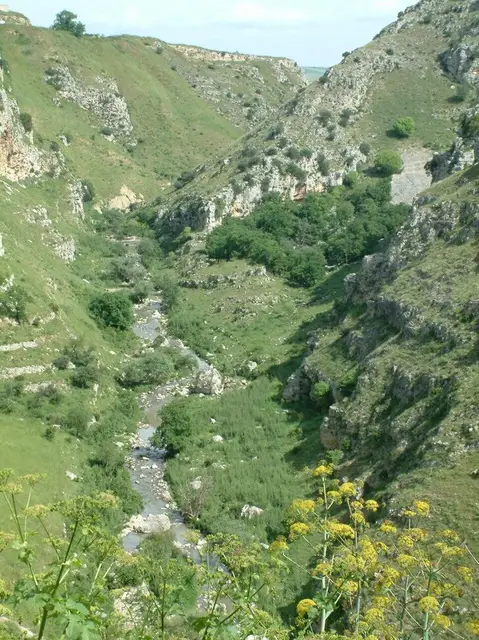
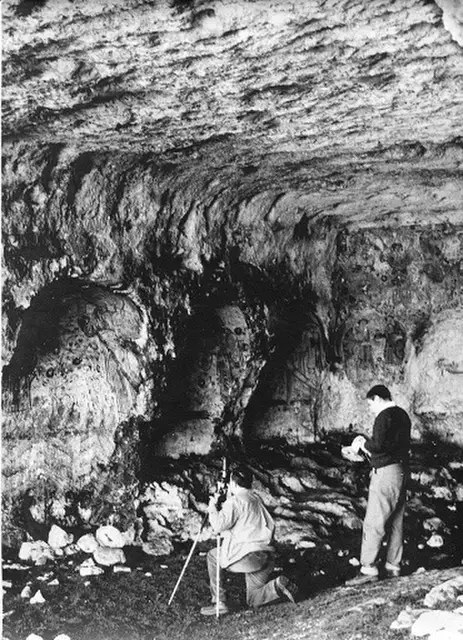
Caves in the Gravina gorge were already inhabited in the Stone Age. Over the centuries, the Sassi grew into a town where people and animals lived together in cave dwellings. In "Christ Stopped at Eboli," the writer Carlo Levi described the bitter poverty of the 1930s, and after World War II the residents were resettled in new neighborhoods. The Sassi fell into ruin until restoration began in the 1980s. In 1993 they became a UNESCO World Heritage Site, and in 2019 Matera was European Capital of Culture.
Sights in Matera
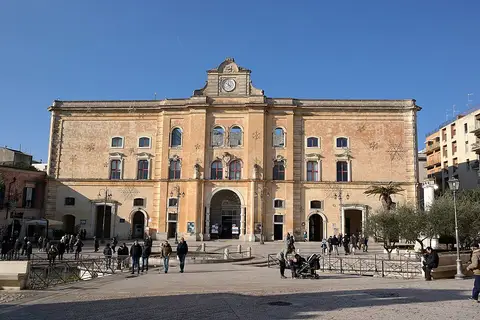
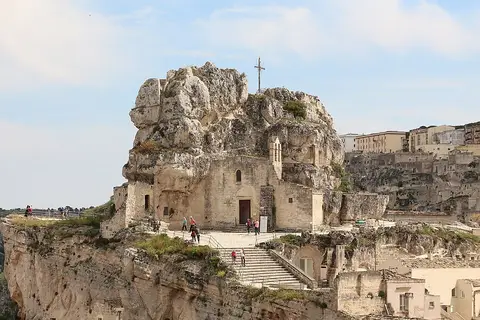
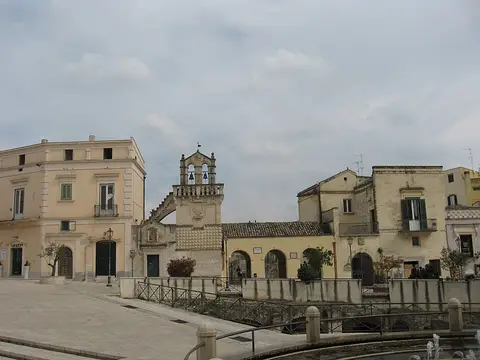
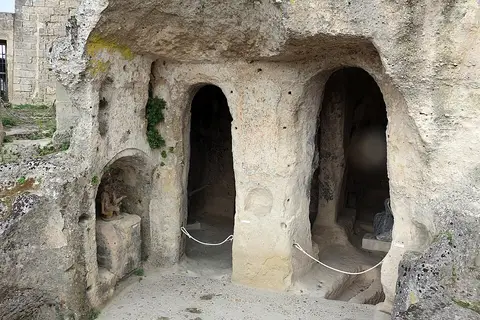
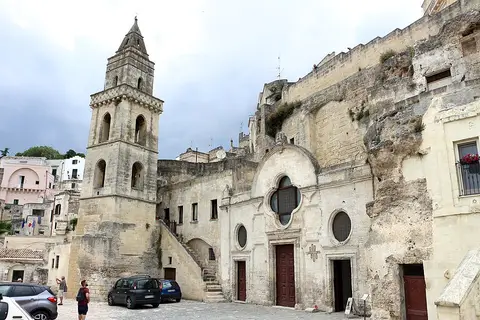
The old town consists of two districts: Sasso Barisano in the north, with many restored cave houses, hotels, and restaurants, and the more authentic Sasso Caveoso in the south. Between them, the Romanesque cathedral rises on the Civita hill. There are more than a hundred rock-hewn churches in and around Matera, including Santa Maria de Idris on a rocky outcrop and San Pietro Barisano, some with Byzantine frescoes. The Casa Grotta di Vico Solitario is furnished as a cave dwelling the way people lived in them until the 1950s. Huge cisterns such as the Palombaro Lungo beneath Piazza Vittorio Veneto show how residents collected rainwater. The best view of the Sassi is from the belvedere on the opposite side of the gorge in Murgia Materana Park.
Eating and Going Out
Matera bread, a large loaf made from durum wheat semolina with protected designation of origin, is considered one of the best in Italy. Typical dishes include crapiata, a legume soup, cavatelli and orecchiette, peperoni cruschi (dried bell peppers fried until crisp), and lamb. Many restaurants are set in converted caves. In the evening, people gather on Piazza Vittorio Veneto and Via Ridola.
Getting Around and Best Time to Visit
The nearest airport is Bari, from where buses and the narrow-gauge Ferrovie Appulo Lucane railway reach Matera in a little over an hour. The Sassi are steep, and much of it can only be reached by stairs, so good footwear is important. Spring and fall are ideal; summer gets hot, and winter can be cold and damp. On July 2, Matera celebrates the Festival of the Madonna della Bruna, in which a papier-mâché float is torn apart by the crowd at the end. Excursions lead to Altamura, famous for its bread and a Neanderthal find, to the Itria Valley with the trulli of Alberobello, and to Craco, an abandoned hill village on a rocky ridge. In Murgia Materana Park, hiking trails lead to cave churches and viewpoints; a visit in the late afternoon is especially atmospheric, when the Sassi glow in warm light and the lights come on one by one. If you stay overnight in a cave hotel, you'll experience Matera in the evening and early morning, when the day-trippers have gone.