Basilicata: Matera and the Quiet South of Italy
Travel guide · editorialBetween Campania, Apulia, and Calabria lies one of Italy's most sparsely populated regions, long forgotten and today known mainly for Matera. A vacation in Basilicata takes you to cave towns, remote mountain villages, and two short coastlines that couldn't be more different.
Mountains, Clay Hills, and Two Seas
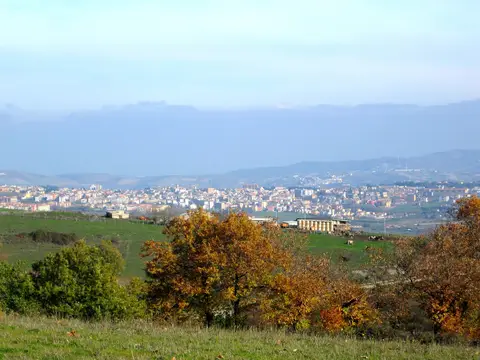
Basilicata, also known as Lucania, is largely mountainous. The Apennines rise in the west, and in the south the region shares Pollino National Park with Calabria. In the east the landscape softens into clay hills and deep erosion gullies, the calanchi near Aliano, which Carlo Levi described in his novel Christ Stopped at Eboli. On the Tyrrhenian Sea the region has only about 30 kilometers of steep coastline, while on the Ionian Sea it has a long, flat strip of sand. In the north the extinct volcano Monte Vulture towers over vineyards and crater lakes.
Matera, City of the Sassi
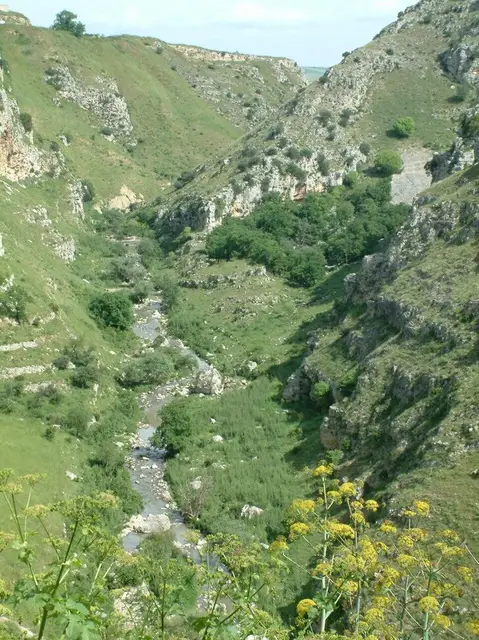
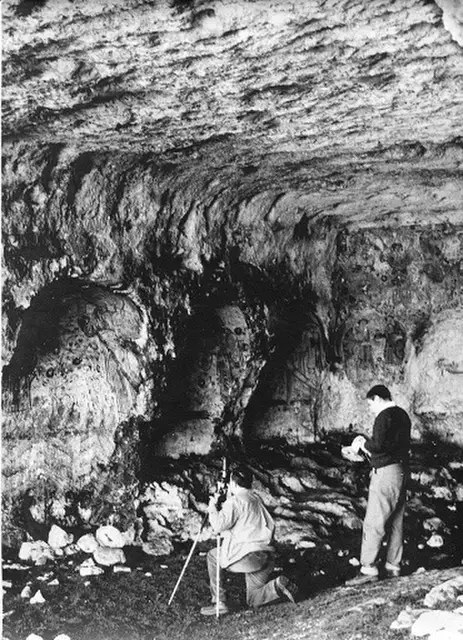
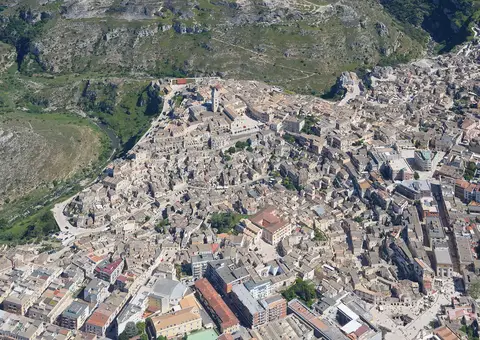
Matera is the best-known of Basilicata's destinations. The Sassi, two districts carved into the limestone, were still inhabited in the 1950s, often by families living in a cave together with their animals. Conditions were considered a national disgrace, and the residents were resettled. Today the Sassi are a World Heritage Site, brought back to life with hotels, restaurants, and rock-hewn churches with Byzantine frescoes. In 2019 Matera was a European Capital of Culture, and films such as The Passion of the Christ and a James Bond movie were shot here. On the opposite plateau, the Murgia Materana, more cave churches lie within a nature park.
Sights in Basilicata
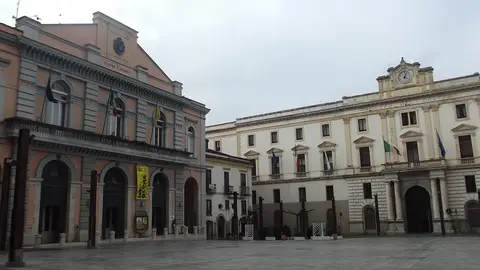
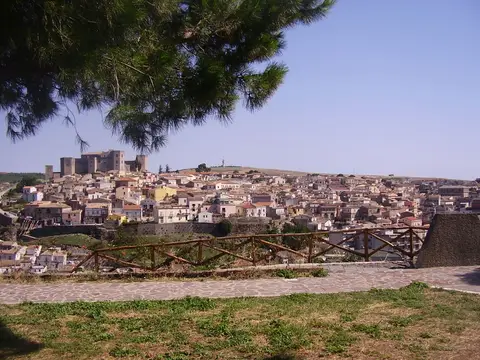
Potenza, the capital, sits at more than 800 meters and is one of Italy's highest provincial capitals; its long system of escalators connects the different parts of the city. In the north, Melfi has a Norman castle where Frederick II proclaimed the Constitutions of Melfi in 1231. Venosa was the birthplace of the poet Horace and has an unfinished abbey church, the Incompiuta. In the Lucanian Dolomites, the Volo dell'Angelo, a zip line, connects the mountain villages of Castelmezzano and Pietrapertosa. Craco, a village abandoned after landslides, is an impressive ghost town near Pisticci.
The Coasts: Maratea and Metaponto
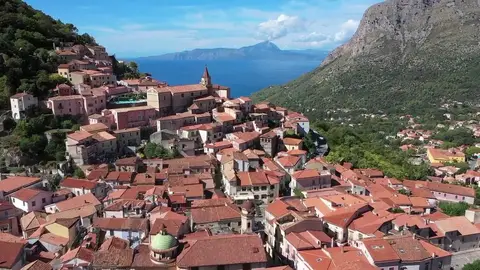
Maratea on the Tyrrhenian Sea is the most beautiful stretch of coast, with coves, grottoes, and a white statue of Christ on Monte San Biagio gazing out over the bay. The Ionian coast with Policoro and Metaponto offers long beaches and pine forests. Near Metaponto stand the Tavole Palatine, columns of a Greek temple to Hera; Pythagoras is said to have died here. Nearby is Bernalda, the ancestral hometown of Francis Ford Coppola's family, where he opened a hotel.
Food, Getting There, and the Best Time to Visit
Lucanian cuisine is simple: peperoni cruschi, dried and fried peppers; Lucanica sausage, which the Romans already knew; Pane di Matera made from durum wheat; and orecchiette with ragù. Aglianico del Vulture is a robust red wine. There is no airport in the region itself; most visitors fly into Bari, which is linked to Matera by a private railway. A car is almost indispensable. The best times to visit are May, June, September, and October; in high summer it is hot inland, and in winter it is cold in the mountains.