Discover Trieste: Coffeehouses, Bora Wind, and the Adriatic
Travel guide · editorialItaly's largest piazza opening straight onto the sea, coffeehouses straight out of Vienna, and a wind so fierce that ropes are strung along some streets for people to hold on to: Trieste is unlike the rest of Italy. A trip to Trieste takes you to a border between the Latin, Slavic, and German-speaking worlds – literary, melancholy, and right on the water.
The Habsburgs' Port on the Sea
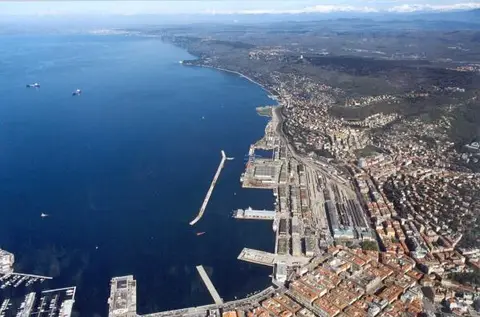
Trieste belonged to Austria for more than 500 years, and when Emperor Charles VI declared it a free port in 1719, the small town became the most important seaport of the Habsburg Monarchy. Merchants from Greece, Serbia, Armenia, and Jewish Central Europe settled here; churches of different denominations still stand side by side today. Trieste only became part of Italy after World War I, and after World War II it was briefly a free territory under Allied administration before finally becoming Italian in 1954. Writers such as James Joyce, Italo Svevo, and Umberto Saba shaped the city's literary image.
Sights in Trieste
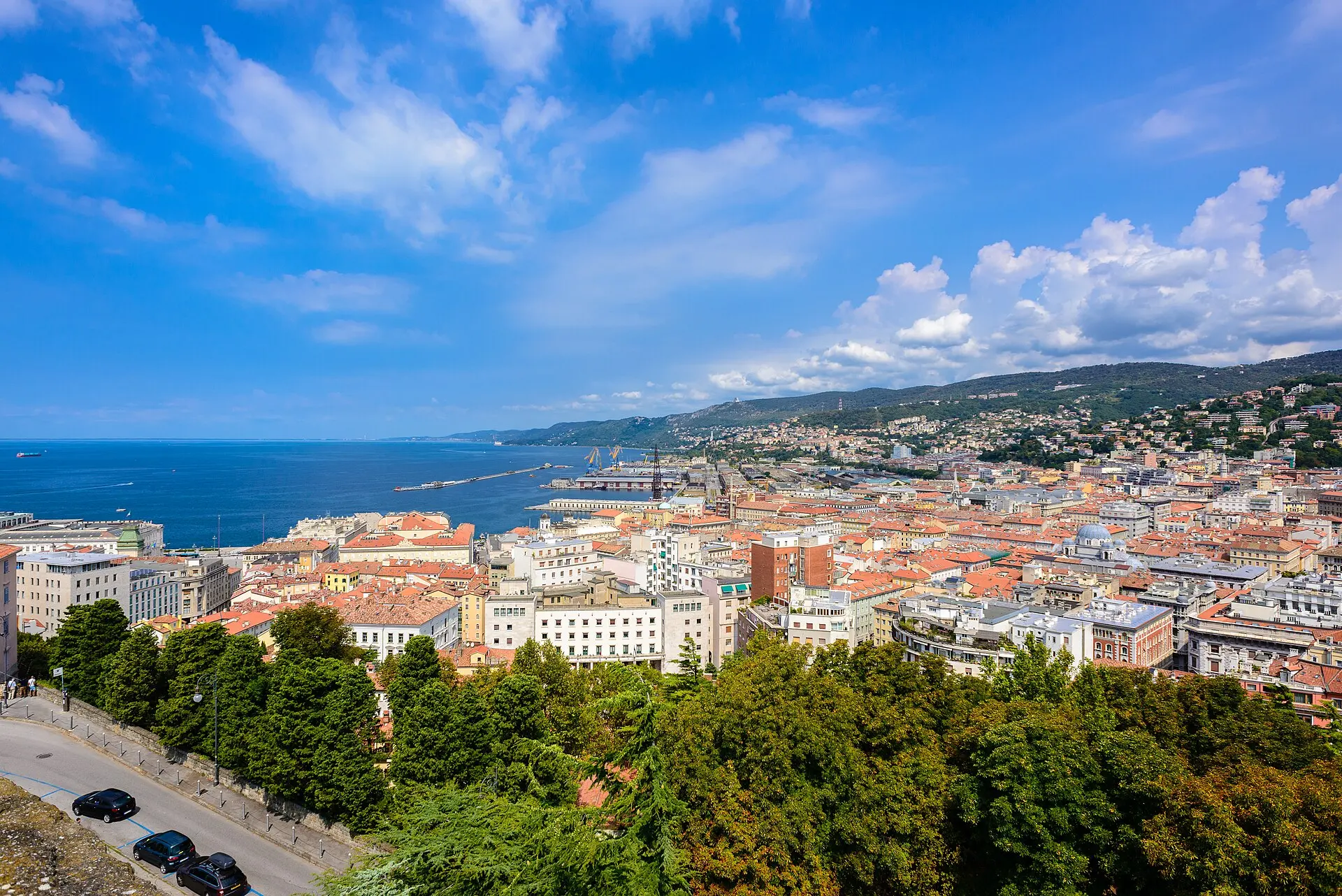
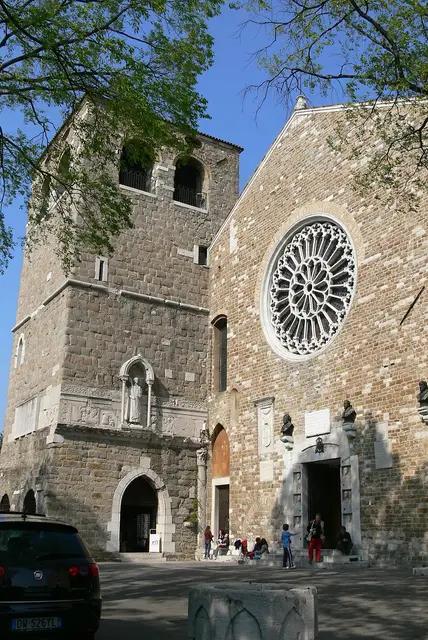
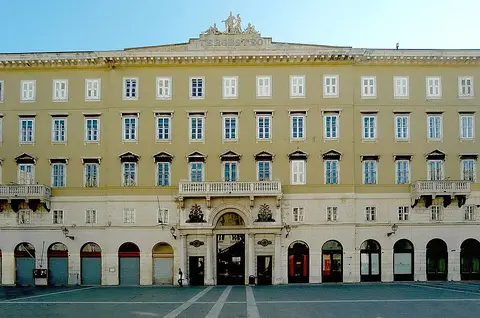
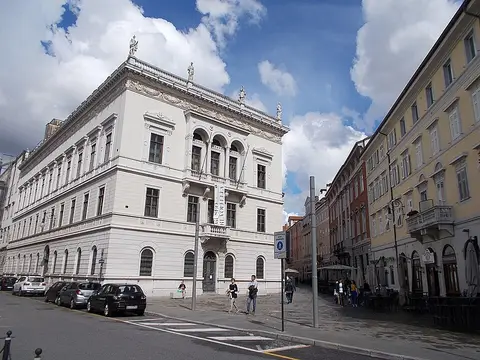
The Piazza Unità d'Italia, lined with palaces from the Habsburg era, opens onto the gulf; in the evening the lights are reflected in the water. Next to it, the Molo Audace juts out into the sea, a popular spot for strolls. In the Borgo Teresiano district, an 18th-century planned city extension along the Grand Canal, you'll find the Serbian Orthodox church of San Spiridione. The cathedral and castle rise on San Giusto hill, while down in the Città Vecchia lies the Roman theater. A few kilometers north along the coast, the white Miramare Castle gleams, built for Archduke Maximilian, later Emperor of Mexico.
Coffeehouses and Culture
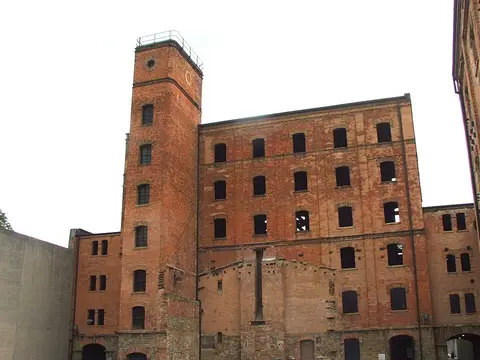
Trieste is a capital of coffee: large quantities of raw coffee pass through the port, and a well-known coffee roaster is headquartered here. In historic cafés such as Caffè San Marco or Caffè degli Specchi, people read the newspaper and debate. If you want to order, you have to learn the local language: a "nero" is an espresso, a "capo" is a macchiato, often served in a glass. The Museo Revoltella shows art from the 19th and 20th centuries, and the Risiera di San Sabba is a memorial at the site of the only Nazi camp with a crematorium on Italian soil.
Eating and Going Out
In the buffets, simple local eateries, you'll find boiled pork with mustard and horseradish, sauerkraut, and jota, a stew of beans and cabbage – traces of the Habsburg past. The gulf supplies sardoni, small anchovies, and mussels. In spring, the osmize on the Karst plateau beckon, farm taverns that open temporarily to serve their own wine, ham, and cheese. In the evening, people meet for an aperitivo in the Città Nuova and along the Grand Canal.
Getting Around and Best Time to Visit
The airport is near Ronchi dei Legionari, about 35 kilometers (22 miles) to the northwest, with train and bus connections. Buses serve the city, and in summer boats run to Muggia and along the coast. The best times to visit are May, June, September, and October; in winter the Bora blows with gusts of over 100 km/h (62 mph). In October, the Barcolana takes place, one of the largest sailing regattas in the world, with thousands of boats.