Piedmont: Turin, the Langhe, and Alpine Panoramas
Travel guide · editorialPiedmont lies at the foot of the Alps, which enclose it on three sides; the name literally means "foot of the mountain." On a vacation in Piedmont, you'll discover the Baroque royal city of Turin, the wine hills of the Langhe and Roero, white truffles, and the western shore of Lake Maggiore.
A Landscape at the Foot of the Mountains
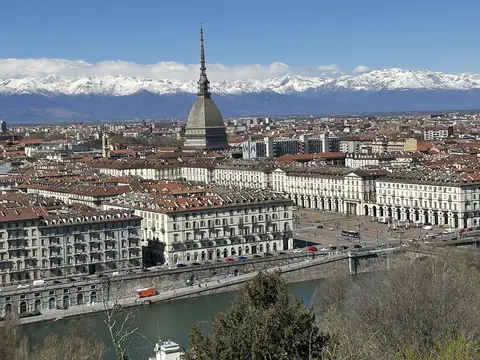
An arc of peaks surrounds the region to the west and north, from Monte Rosa on the Swiss border to the Maritime Alps on the border with France and Liguria. Monviso, on whose slope the Po River rises, is the most striking mountain. To the east, the land opens onto the rice plains around Vercelli and Novara, where the flooded fields lie like mirrors in spring. South of the Po, the hills of Monferrato, the Langhe, and Roero roll away, their vineyard landscapes a UNESCO World Heritage Site since 2014. In the northeast, Piedmont borders Lake Maggiore and the small Lake Orta.
Turin and Its Surroundings
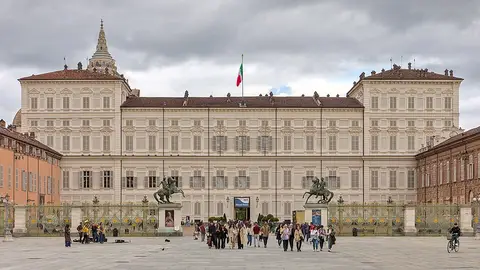
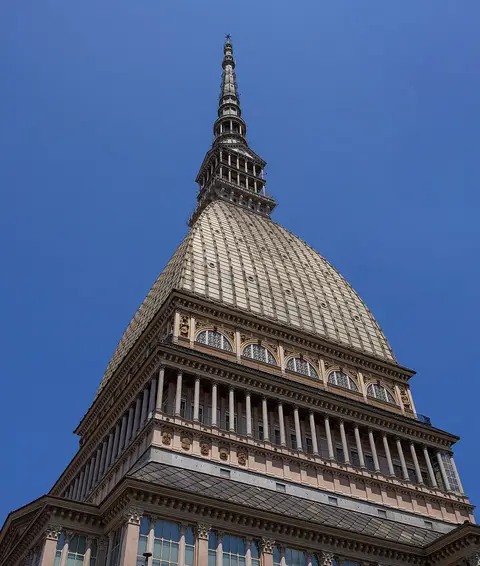
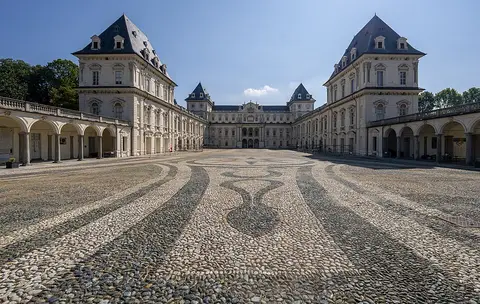
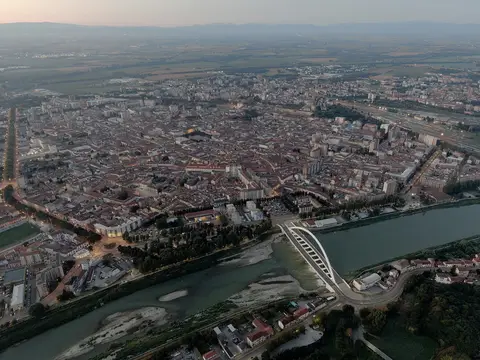
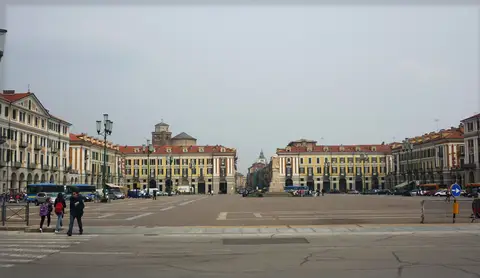
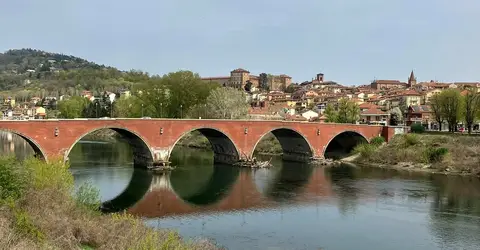
Turin was the first capital of unified Italy and the seat of the House of Savoy. Grid-like streets, miles of arcades, and broad squares such as Piazza San Carlo give the city an almost French elegance. The Egyptian Museum is the most important of its kind after Cairo's, the Mole Antonelliana houses a film museum, and the cathedral holds the Shroud, which is only rarely put on display. The Savoy residences around the city, including the enormous Reggia di Venaria, are World Heritage Sites. In the neighboring town of Moncalieri to the south, another Savoy castle stands above the Po. High above the Susa Valley, the Sacra di San Michele, an abbey, sits perched on a rocky summit.
Sights in Piedmont
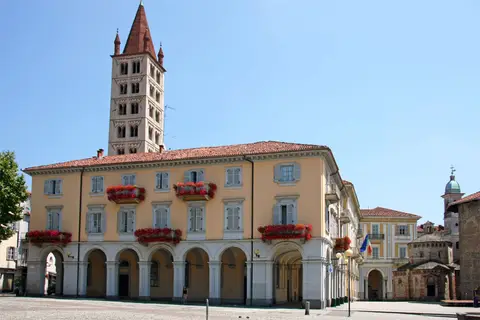
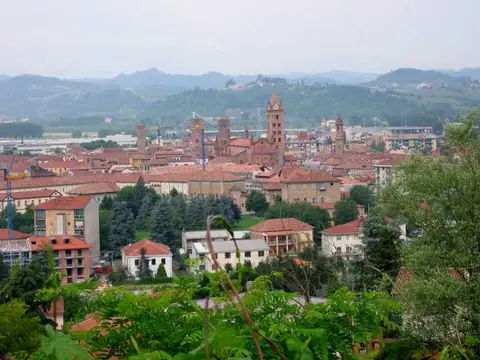
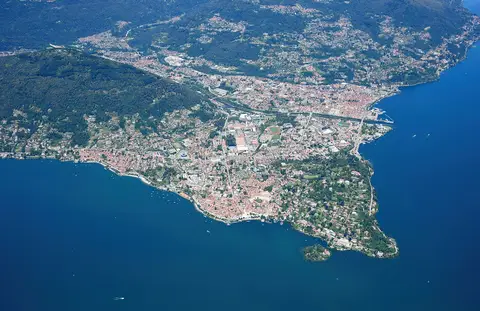
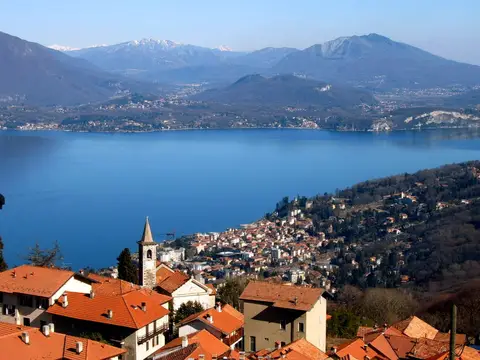
The Langhe is the best-known of Piedmont's destinations. Alba is its main town, famous for the International White Truffle Fair in the fall and as the home of a major confectionery maker. From here, roads wind through vineyards to Barolo, La Morra, Barbaresco, and Grinzane Cavour, where castles rise above the vines. Asti is known for its sparkling wine and for the Palio in September, a horse race older than the one in Siena. Cuneo, with its arcades, is the gateway to the Maritime Alps and to mountain valleys such as the Valle Maira. On Lake Maggiore you'll find Stresa and the Borromean Islands, with the Baroque garden of Isola Bella. The Sacri Monti of Varallo and Orta attract pilgrims and art lovers alike.
Cities and Culture
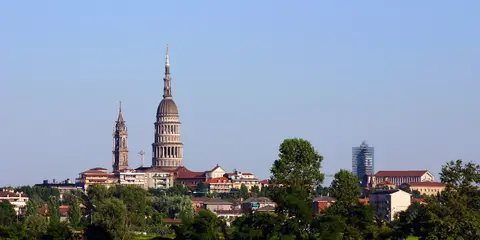
Novara is a quiet provincial capital with the tall dome of San Gaudenzio. Alessandria was founded in the 12th century as a bulwark against Barbarossa and is the home of Borsalino hats; its star-shaped citadel is one of the largest in Europe. Biella has lived from wool processing for centuries, major textile brands got their start here, and outlets draw shoppers. Industrial history is also present in Turin: Fiat, now part of Stellantis, built the Lingotto here with a test track on the roof, which today is a landscaped path. In Ivrea, an industrial town recalls the typewriter maker Olivetti.
Food and Drink
Piedmontese cuisine is considered one of the finest in Italy. Vitello tonnato, carne cruda all'albese, and bagna cauda, a warm dip of garlic, anchovies, and olive oil, are classics. Tajarin, very thin egg noodles, and agnolotti del plin are often served with white truffle. In winter, bollito misto comes to the table. Turin gave the world gianduja chocolate, the bicerin made with coffee, chocolate, and cream, and vermouth. The great wines include Barolo and Barbaresco, both made from Nebbiolo, along with Barbera, Dolcetto, and the sweet Moscato d'Asti. The Slow Food movement was founded in Bra.
Getting There and Best Time to Visit
Turin is easy to reach via Caselle Airport and by high-speed trains from Milan; from France, trains and the highway run through the Susa Valley. The best way to explore the Langhe is by car or e-bike. The best time to visit is fall, when the grape harvest and truffle season run from September through November and the hills change color. Spring and early summer suit the lakes and cities, while summer is best for hiking in the Alpine valleys. In winter, ski areas such as Sestriere and the Via Lattea, where Olympic events were held in 2006, beckon.