Discover Turin: Arcades, Alpine Views, and Baroque Splendor
Travel guide · editorialStrolling beneath miles of arcades, sipping bicerin in historic cafés, and spotting snowcapped Alps on the horizon—Turin surprises many visitors who know it only as a car-making city. A city break in Turin takes you to an elegant Baroque city with world-class museums and one of the best cuisines in Italy.
Capital of the House of Savoy
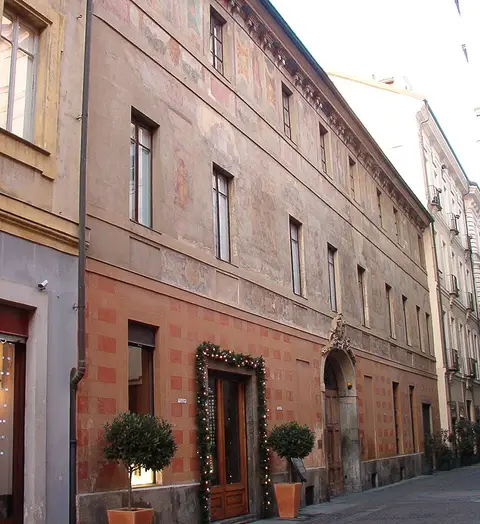
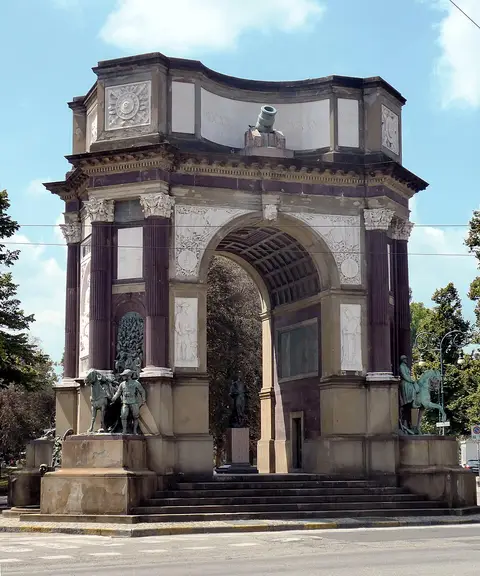
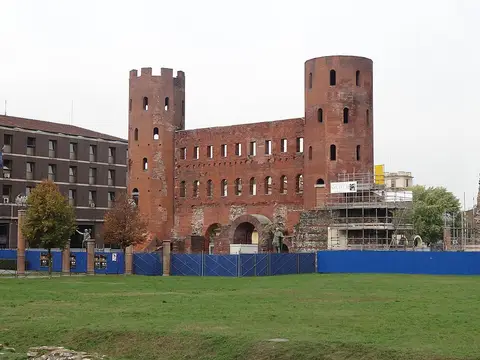
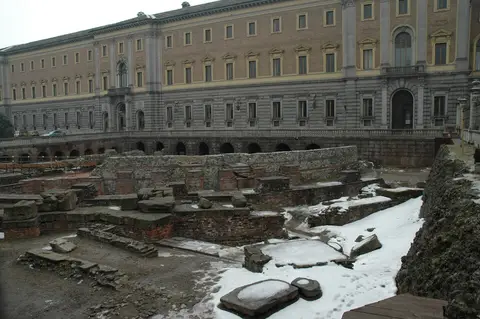
The rectangular street grid that still shapes the city center grew out of the Roman military camp of Augusta Taurinorum. Beginning in the 16th century, the Dukes of Savoy made Turin their residence and built magnificent squares, palaces, and hunting lodges, which are now UNESCO World Heritage sites. Italian unification began here, and from 1861 to 1865 Turin was the first capital of the kingdom. In the 20th century, Fiat left its mark on the city; the former Lingotto factory, with its test track on the roof, is now a shopping and cultural center.
Sights in Turin
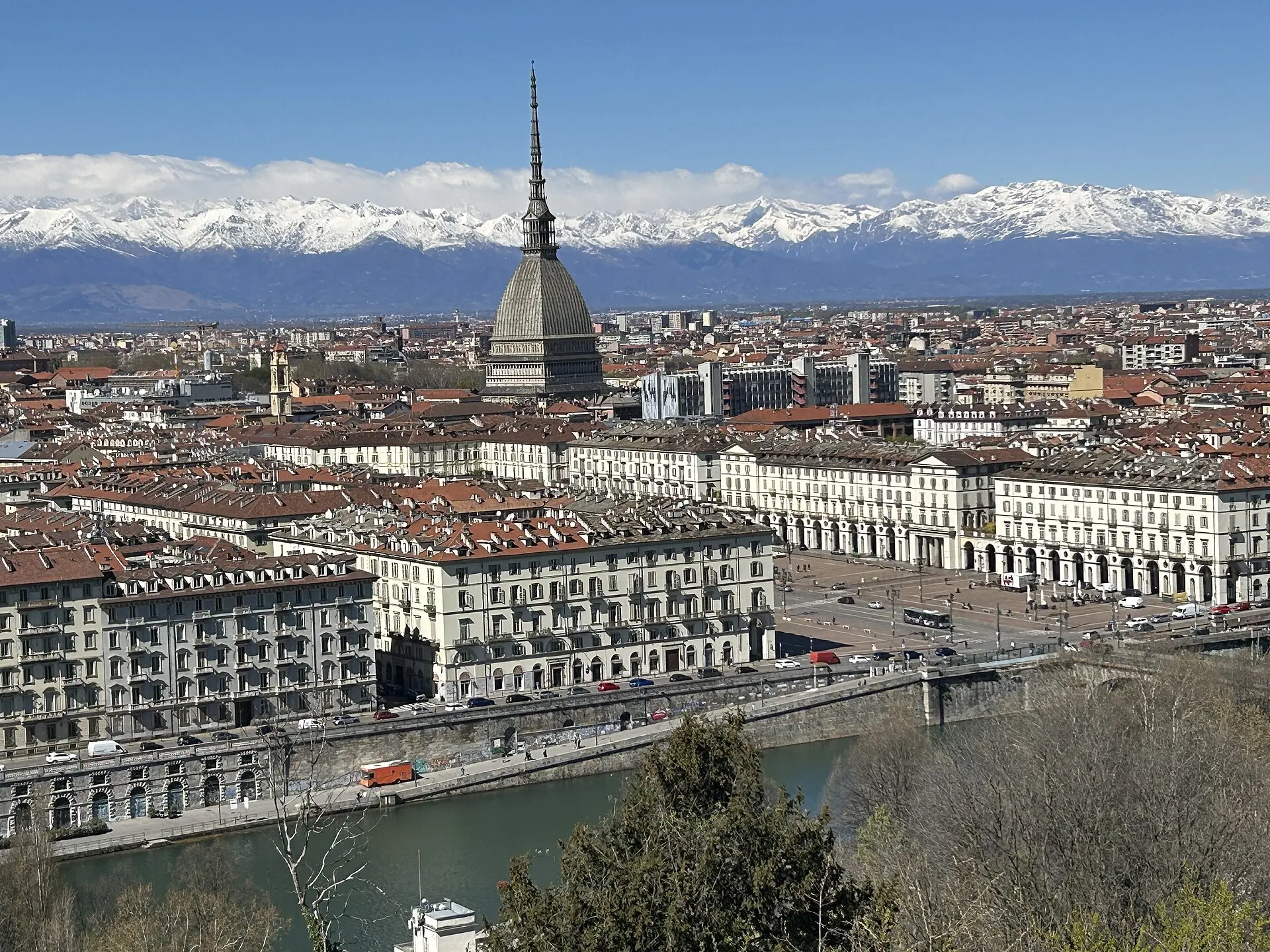
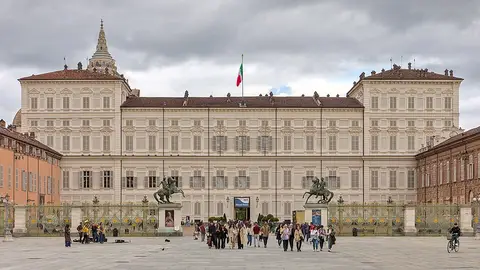
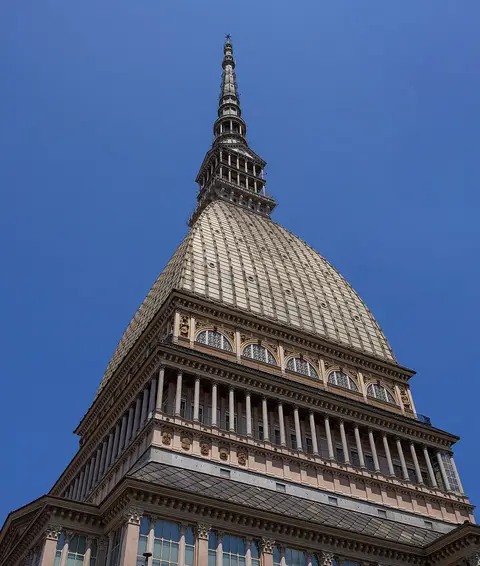
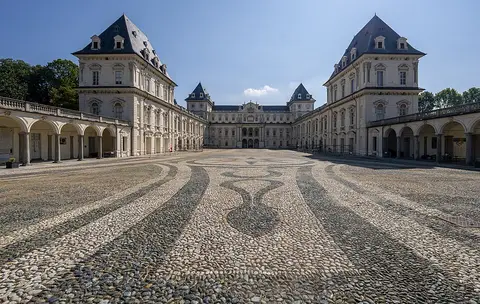
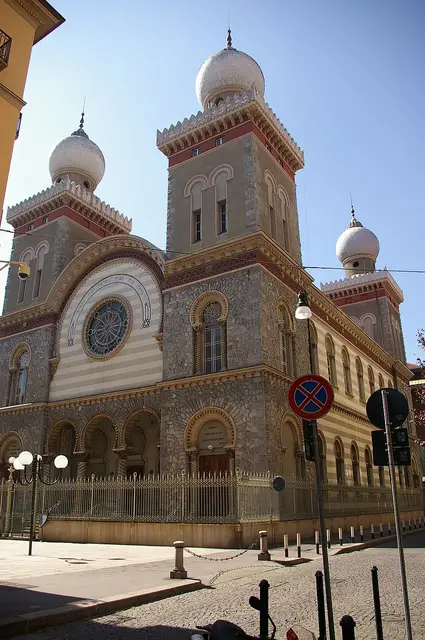
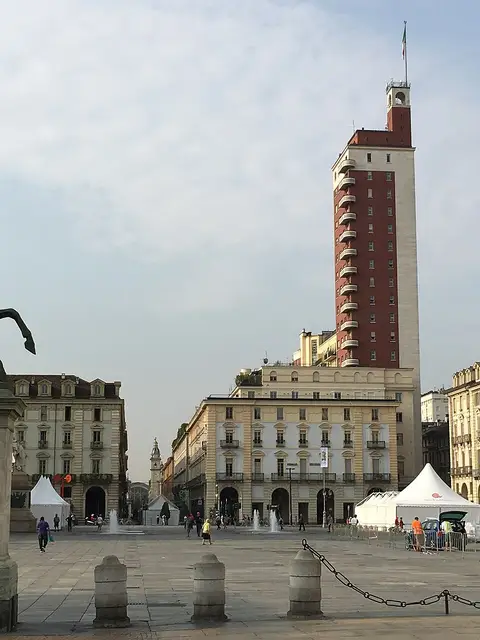
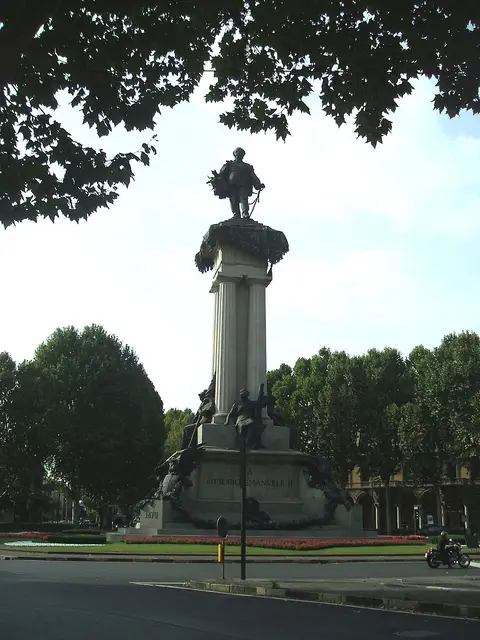
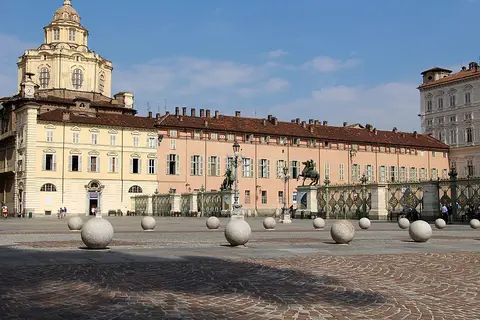
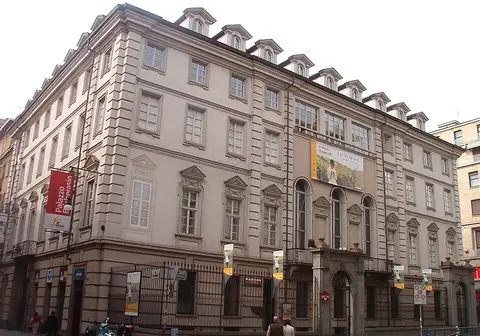
The city's landmark is the Mole Antonelliana, originally planned as a synagogue, with its spire rising roughly 167 meters (548 feet). A glass elevator travels straight up through the interior to the observation deck. Piazza Castello, with Palazzo Madama and Palazzo Reale, forms the Baroque heart of the city; right beside it, the cathedral houses the Shroud of Turin, which is only rarely shown to the public. Via Po, lined with arcades, leads to the spacious Piazza Vittorio Veneto on the river and, across the water, the church of Gran Madre di Dio. The best views over the city and the Alps are from the Basilica di Superga or from Monte dei Cappuccini. Along the Po River, Parco del Valentino stretches out with its castle and a replica medieval village.
Museums and Culture
The Museo Egizio is considered the most important museum of Egyptian art outside Cairo—with statues, papyri, mummies, and a complete rock-cut chapel. The Mole houses the National Museum of Cinema, which winds up through several levels of the dome. Other highlights include the Galleria Sabauda, the MAUTO automobile museum, and the Pinacoteca Agnelli on the Lingotto roof. Contemporary art is on show at the Castello di Rivoli on the edge of town. In the fall, the Slow Food movement's Salone del Gusto draws food lovers from around the world.
Eating and Going Out in Turin
Turin is a city of chocolate: gianduja and gianduiotti were invented here, and Caffè Al Bicerin has been serving its namesake drink of espresso, chocolate, and milk foam since the 18th century. Vermouth also originates here, and Turin's aperitivo ritual is legendary. Typical dishes include agnolotti del plin, vitello tonnato, bagna cauda, and tajarin with truffles from nearby Alba. The market at Porta Palazzo is considered one of the largest open-air markets in Europe. In the evening, people gather in the Quadrilatero Romano, in the trendy San Salvario district, or along the Murazzi on the Po.
Getting Around Turin
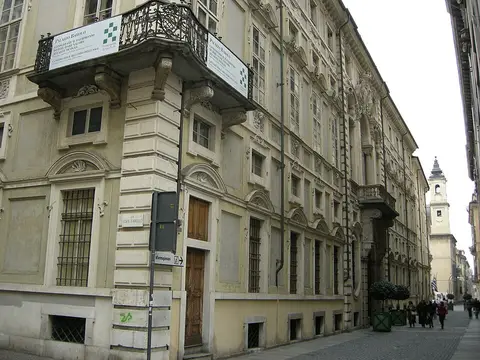
Caselle Airport lies about 16 kilometers (10 miles) to the north and is linked to the center by train and bus. High-speed trains reach Milan in about an hour, and the Porta Nuova and Porta Susa stations are centrally located. The city has one metro line plus numerous trams and buses, but the arcaded city center is best explored on foot, even in the rain. Some 18 kilometers (11 miles) of covered walkways run through the center, especially along Via Roma, Via Po, and around Piazza San Carlo, the city's "living room" with its twin churches. The Sassi–Superga rack railway takes you up to Superga, a little journey in itself. If you plan to visit several museums, you can save money with the Torino+Piemonte Card.
Best Time to Visit and Day Trips
Spring and fall are ideal, and fall also brings truffle and grape harvest season in the Langhe. Winters are cold, but the Alps and the ski resorts of the 2006 Winter Olympics are close by. In December, the "Luci d'Artista," light installations by contemporary artists, decorate the streets. Worthwhile day trips lead to the Stupinigi hunting lodge, the Venaria Reale palace, the vineyards of Barolo and Barbaresco, and the Sacra di San Michele.