Lazio: Rome, Etruscan Country and the Tyrrhenian Coast
Travel guide · editorialAlmost everyone knows Rome, but hardly anyone knows the region that surrounds the Eternal City. A vacation in Lazio combines the Colosseum and St. Peter's Basilica with crater lakes, Etruscan tombs, Renaissance gardens and seaside resorts on the Tyrrhenian Sea.
From the Sea to the Apennines
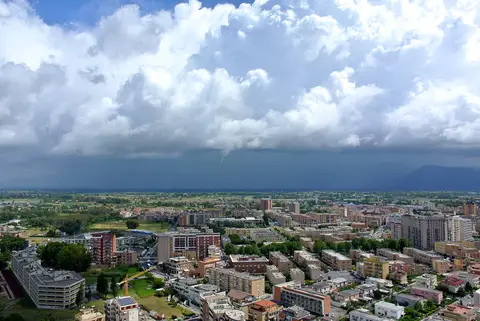
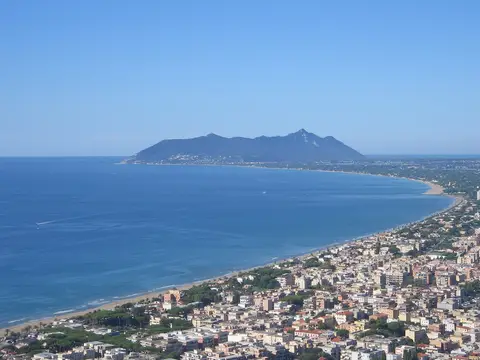
Lazio (Latium in Latin) stretches along roughly 300 kilometers of coastline between Tuscany and Campania. In the north, extinct volcanoes shape the landscape: Lake Bolsena, Lake Vico and Lake Bracciano fill ancient craters, and the Alban Hills southeast of Rome, with Lake Albano and Lake Nemi, are also volcanic in origin. To the east, the land rises toward the limestone mountains of the Apennines, where Monte Terminillo is considered the Romans' home mountain. In the south you'll find the Pontine Plain, once swampy and drained under Mussolini, and the Circeo promontory with its national park.
Rome and Fiumicino
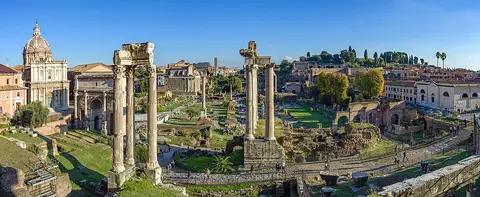
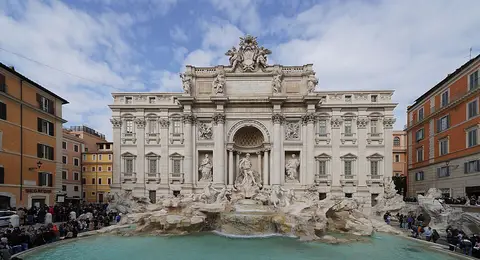
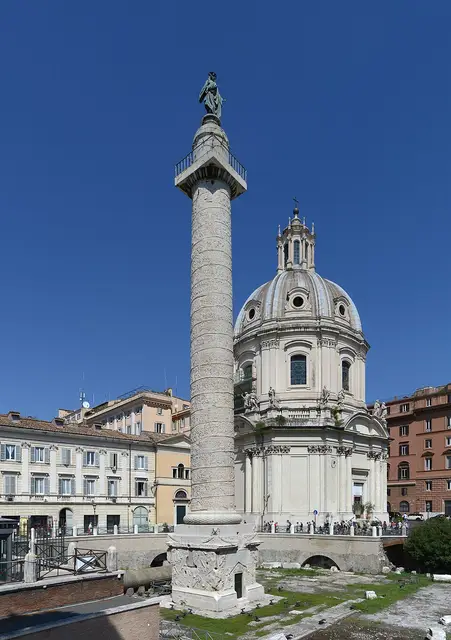
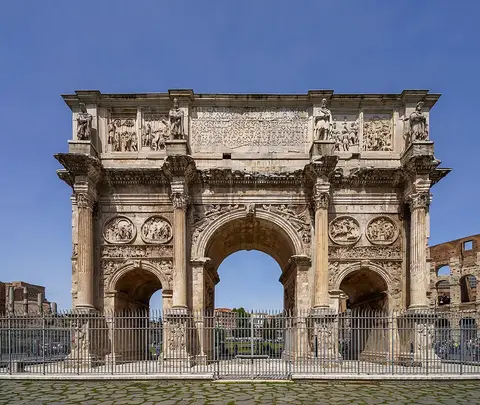
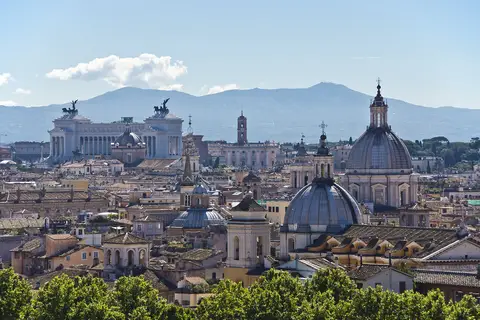
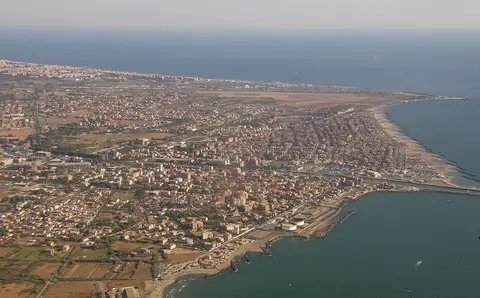
Rome is the heart of the region and a city you can never fully exhaust. The Roman Forum, the Palatine Hill and the Colosseum tell the story of antiquity, and the Pantheon still stands with its dome intact after nearly 1,900 years. In the Vatican, which is its own state, St. Peter's Basilica and the Sistine Chapel await. If you let yourself drift, you'll find everyday Rome with its market stalls and trattorias in Trastevere, in the Monti neighborhood or on Campo de' Fiori. Fiumicino is just an airport for most people, but the town has a fishing harbor with good restaurants, and right next door lies Ostia Antica, the excavated port city of ancient Rome, often quieter than the Forum.
Sights in Lazio Beyond the Capital
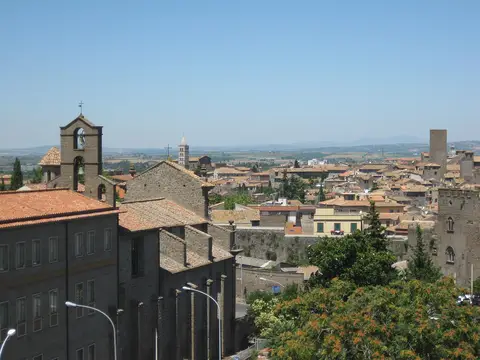
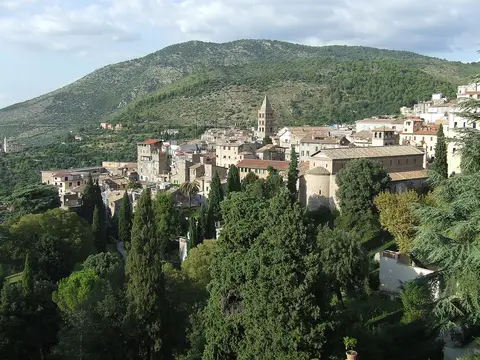
Half an hour east of Rome lies Tivoli with Hadrian's Villa and the Villa d'Este, whose fountains are among the most beautiful gardens in Europe. The Castelli Romani in the Alban Hills, with Frascati, Castel Gandolfo and Ariccia, have always been a favorite excursion destination for Romans. To the north, the journey leads into Etruscan country: the necropolises of Cerveteri and Tarquinia, with their painted burial chambers, are World Heritage sites. Viterbo, the medieval city of the popes, has a well-preserved San Pellegrino quarter and hot thermal springs. Nearby are the Park of the Monsters in Bomarzo and Civitavecchia di Bagnoregio, perched on a crumbling tuff spur and reachable only by a pedestrian bridge. Monasteries such as Subiaco and, far to the south, the Abbey of Montecassino bear witness to the Benedictine tradition.
The Coast: From Civitavecchia to Gaeta
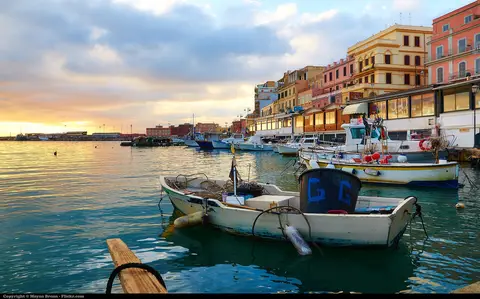
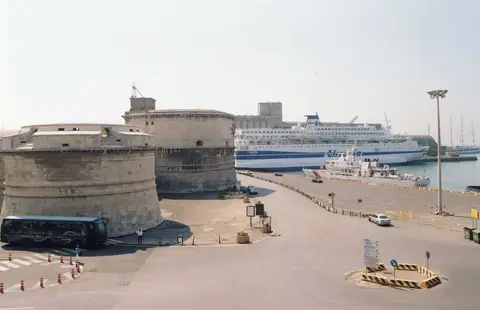
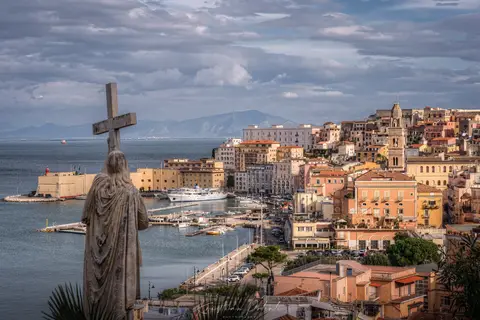
Civitavecchia is Rome's cruise and ferry port, with service to Sardinia. Farther south, Anzio is known for its fish market and for the Allied landing of 1944, which is commemorated by war cemeteries. Latina, founded in the 1930s, showcases rationalist architecture and lies close to long sandy beaches. The most beautiful stretch of coast begins at Circeo: Terracina, with the Temple of Jupiter high above the town, Sperlonga with its white alleys and the Grotto of Tiberius, and finally Gaeta, with its old town on a peninsula and the split mountain Montagna Spaccata. Ferries run from Anzio and Terracina to the Pontine Islands of Ponza and Ventotene.
Food and Drink
Roman cuisine is simple and hearty. Pasta cacio e pepe, carbonara, amatriciana from the mountain town of Amatrice, and gricia make up the classic quartet. Also on the menu are carciofi alla romana and alla giudia (fried artichokes from the Jewish Ghetto), saltimbocca, and the offal dishes of Testaccio, the old slaughterhouse district. In the Castelli Romani, you'll eat porchetta from Ariccia and drink the white wine from Frascati. Gaeta is famous for its small olives, and the Pontine Plain for buffalo mozzarella and kiwis.
Getting There and Best Time to Visit
Rome-Fiumicino is Italy's largest airport, while Ciampino is used mainly by budget airlines. High-speed trains connect Roma Termini with Florence, Naples and Milan. Regional trains reach Tivoli, Frascati, Viterbo, Civitavecchia and Terracina, but for the Etruscan sites and lakes a rental car is more practical. The best time to visit is spring and fall; in July and August it gets very hot in Rome, and Romans flee to the coast. In winter the city is pleasantly empty, while Easter and special Church jubilee years bring additional waves of visitors.