City · Level 3

Rome · Roma

23,312 places in Rome – from landmarks to cocktail bars. Pick a category or a neighborhood, or browse the map.Plan your own tour8 ready-made tours

Region
Lazio, Italy
Population
2,748,109
Center
41.8933° N · 12.4829° E
Neighborhoods
27
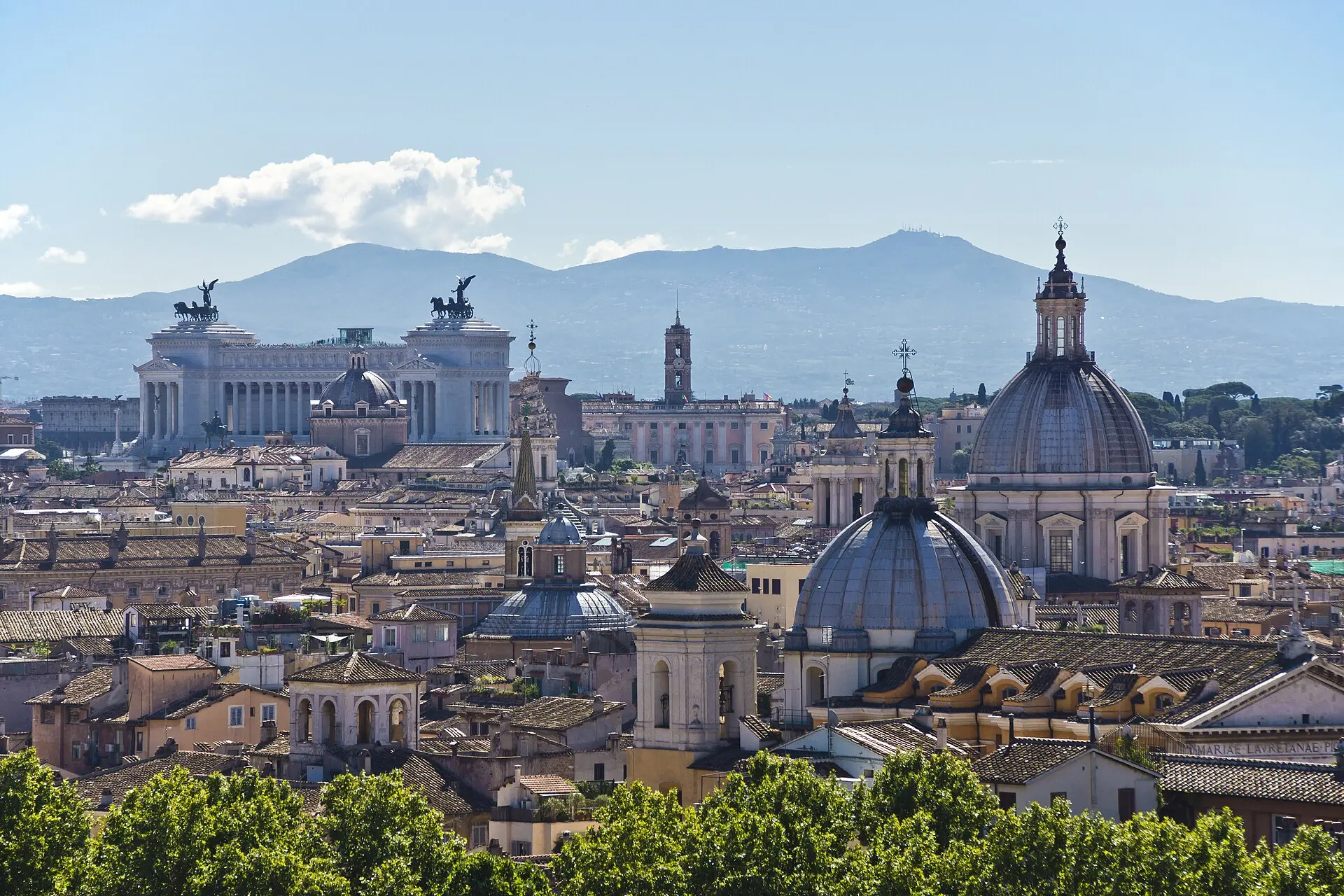
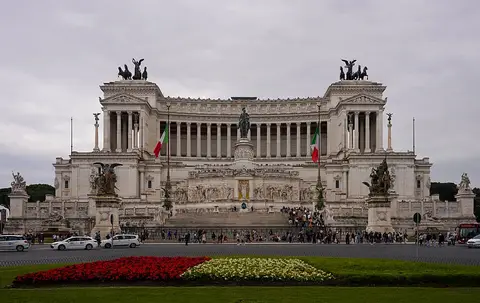
Rome – city view
Rome · © Bert Kaufmann from Roermond, Netherlands · CC BY-SA 2.0
§ 3

Map of Rome

top places by category
LayersMap
§ 4

Discover Rome

Travel guide · editorial

Rome is Italy's capital and, with around 2.75 million residents, its largest city – and at the same time an open-air museum spanning nearly 3,000 years of history. Hardly any other metropolis blends antiquity, Baroque splendor, and everyday life so effortlessly: between the Colosseum, the Pantheon, and St. Peter's Basilica you'll find markets, trattorias, and piazzas where life carries on late into the night.

History in Layers

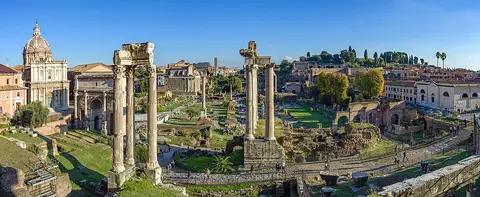
According to legend, Romulus and Remus founded the city in 753 B.C. on the seven hills along the Tiber. The city-state grew into the center of a world empire and later became the seat of the popes. These layers are still visible today: the Roman Forum and the Palatine Hill tell the story of antiquity, churches such as Santa Maria Maggiore speak of early Christianity, and fountains and squares like Piazza Navona evoke the Baroque. The historic center has been a UNESCO World Heritage Site since 1980, and right in the middle of Rome lies Vatican City, the smallest state in the world.

Neighborhoods with Their Own Character

The Centro Storico around the Pantheon and Piazza Navona is the densest neighborhood, with 2,286 listed places. Across the Tiber, Trastevere beckons with cobblestone lanes, osterias, and bars; Monti, behind the Imperial Forums, is small, creative, and full of studios. Testaccio is considered the heart of traditional Roman cooking, Prati, near the Vatican, is a quieter, middle-class alternative for where to stay, and San Lorenzo is the student and nightlife district.

Food & Drink

Roman cuisine is simple and hearty: cacio e pepe, carbonara, amatriciana, saltimbocca, and fried artichokes (carciofi alla giudia) in the former Jewish Ghetto. Our atlas lists 11,499 restaurants in Rome, including 3,714 Italian restaurants and 2,439 pizzerias. For aperitivo and beyond, there are 552 cocktail bars and speakeasies – especially concentrated in Trastevere, Monti, and around Campo de' Fiori.

Getting Around Rome

Most of the sights in the historic center are within walking distance of one another; if you save places as you go, you can turn them into a day route with the route planner. For longer distances, there are three metro lines (A, B, C), buses, and trams. International flights land at Fiumicino (FCO) or Ciampino (CIA); high-speed trains run from Termini station to Florence, Naples, and Milan.

Best Time to Visit

Spring (April to June) and fall (September to October) are the most pleasant, with mild temperatures. In July and August it often gets hotter than 86 °F and very crowded; winter is quiet and mild – ideal for museums. It's worth booking ahead for the Colosseum, the Vatican Museums, and the Galleria Borghese.

§ 5

FAQ about Rome

quick answers

What can you see in Rome in one day?

In one day in Rome, you can take in the big classics between the Roman Forum and St. Peter's Square. The ready-made day tour "Rome in One Day: From the Forum to St. Peter's Square" from travelguide195 links 12 stops between 9:30 a.m. and 9 p.m. and covers only about 5 kilometers on foot. It works because most of the sights in Rome's historic center are within walking distance of one another.

Which sights in Rome shouldn't you miss?

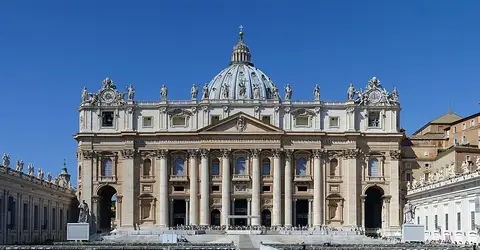
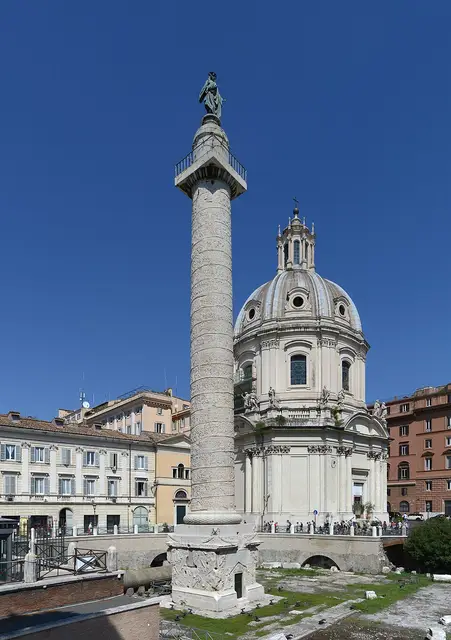
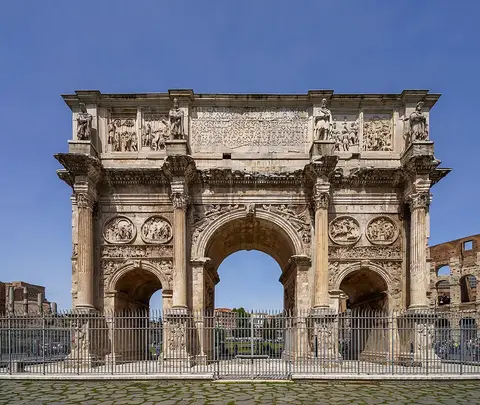
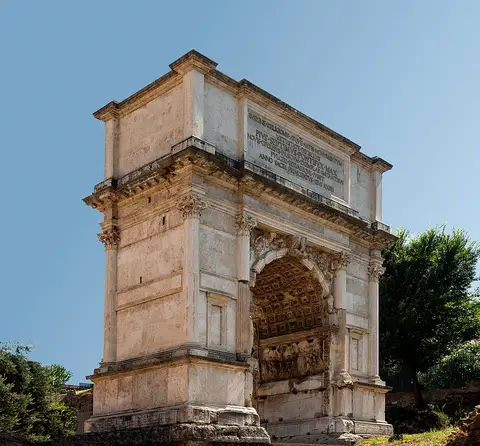
In Rome, the main draws are the ancient sites and the great squares. The most important entries on travelguide195 include the Roman Forum, Trajan's Column, the Arch of Constantine, the Arch of Titus, the Vittoriano, and St. Peter's Square; add to that the Colosseum, the Pantheon, St. Peter's Basilica, and Piazza Navona. In total, travelguide195 lists around 1,312 sights in Rome, and the historic center has been a UNESCO World Heritage Site since 1980.

Which museums in Rome are worth visiting?

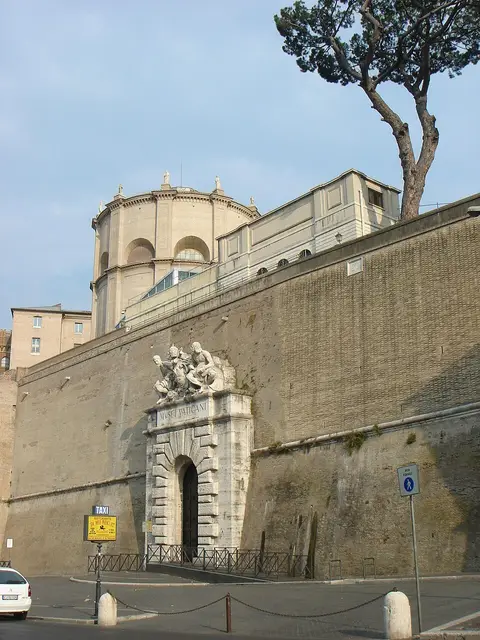
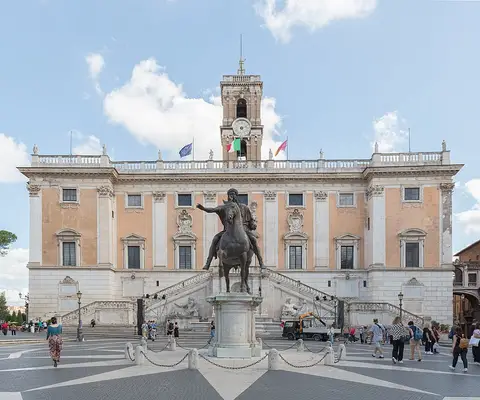
Among the best-known museums in Rome are the Vatican Museums, the Capitoline Museums, and the Palazzo Barberini. If you're interested in antiquity, you'll also find the Museo della Civiltà Romana (Museum of Roman Civilization). travelguide195 lists around 383 museums in Rome; the day tour "Rome in Collections: Vatican, Doria Pamphilj, and Capitoline Hill" links 4 stops between 10:00 a.m. and 7:15 p.m. with just about 0.9 kilometers of walking.

Which neighborhood is best for staying in Rome?

If you want to stay in the middle of the action, the Centro Storico around the Pantheon and Piazza Navona is a good choice in Rome; for quieter nights, Prati near the Vatican is a better bet. The Centro Storico is the densest neighborhood in the city, while Prati is considered a middle-class alternative for overnight stays. Trastevere is known for its cobblestones, osterias, and bars, and San Lorenzo for its student and nightlife scene. travelguide195 lists a total of around 8,232 hotels in Rome.

What do you eat and drink in Rome?

Roman cuisine is simple and hearty; typical dishes include cacio e pepe, carbonara, amatriciana, saltimbocca, and fried artichokes (carciofi alla giudia) in the former Jewish Ghetto. The Testaccio neighborhood is considered the heart of traditional Roman cooking. travelguide195 lists around 12,794 restaurants in Rome, including about 4,038 Italian restaurants and 2,725 pizzerias. For an aperitivo and the evening that follows, you'll find around 579 cocktail bars and 12 speakeasies, especially concentrated in Trastevere, Monti, and around Campo de' Fiori.

When is the best time to visit Rome?

Rome is most pleasant in spring from April to June and in fall from September to October, when temperatures are mild. In July and August, it often gets hotter than 86 °F and very crowded. Winter in Rome is quiet and mild and is a good time for museum visits.