Discovering Genoa: Harbor, Palaces, and Pesto
Travel guide · editorialGenoa is steep, tangled, and shaped by the sea: between the harbor and the hillsides lies one of the largest medieval old towns in Europe. A trip to Genoa combines magnificent Renaissance palaces with dark alleys, seafaring history, and the birthplace of pesto – a city break full of surprises.
La Superba
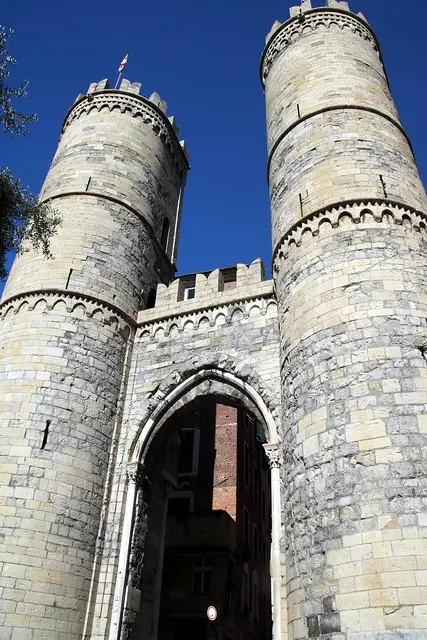
For centuries, the Republic of Genoa was one of the leading maritime powers of the Mediterranean, rivaling Venice and Pisa. Genoese bankers financed the Spanish crown in the 16th and 17th centuries, and the wealth poured into palaces. Christopher Columbus was born here, and his supposed childhood home stands at the Porta Soprana. The city still bears the nickname "La Superba," the Proud One.
Sights in Genoa
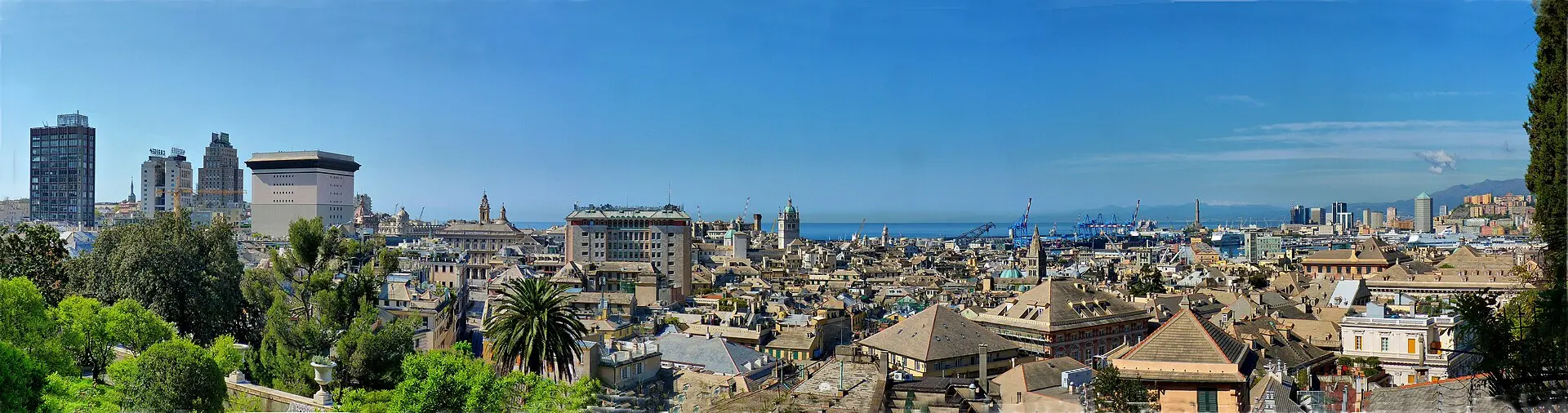
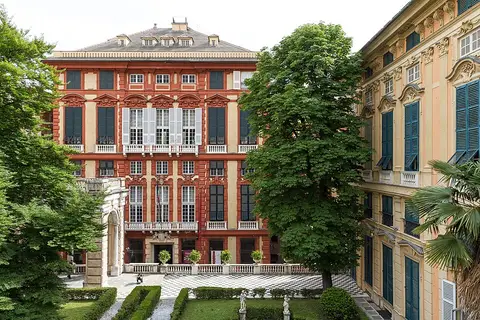
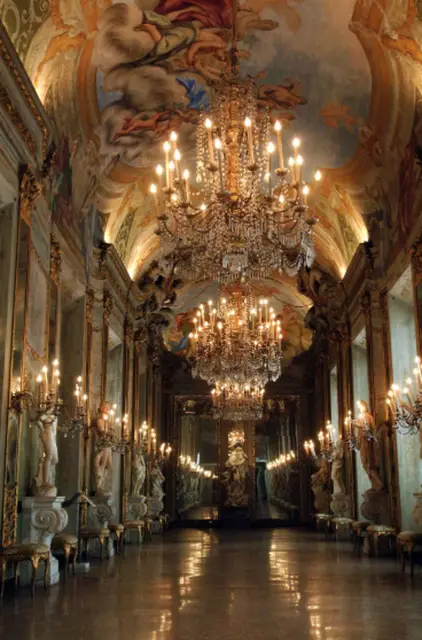
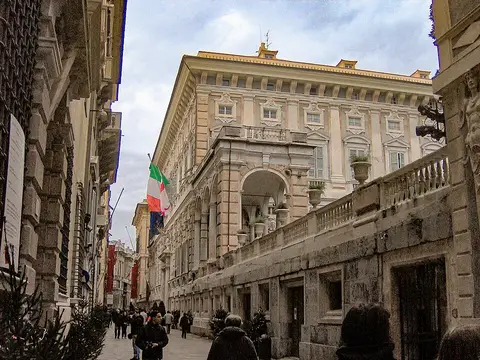
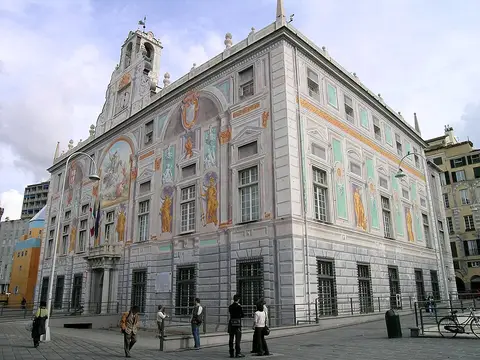
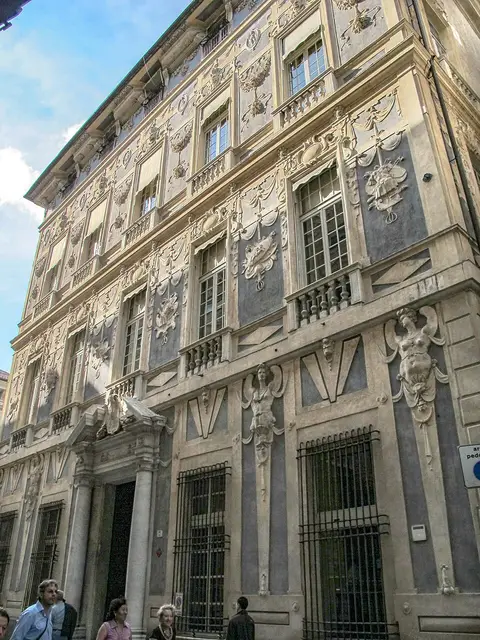
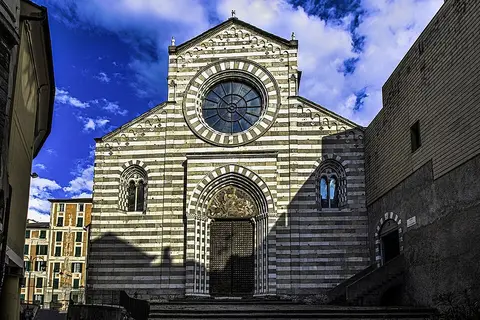
Via Garibaldi is one of the Strade Nuove, which, together with the Rolli Palaces, are a UNESCO World Heritage Site. The Palazzo Rosso, Palazzo Bianco, and Palazzo Doria-Tursi house paintings by Van Dyck, Rubens, and Veronese. San Lorenzo Cathedral, with its black-and-white striped facade, holds a British shell from World War II that never exploded. The Palazzo Ducale on Piazza De Ferrari is now an exhibition venue. The labyrinth of old-town lanes, the "caruggi," stretches all the way to the harbor. Here, in the Centro Est district, Baroque churches, tiny shops, and old grocers alternate; some alleys are so narrow that hardly any sunlight reaches them. Via del Campo, immortalized in song by the Genoese singer-songwriter Fabrizio De André, and Piazza San Matteo with the houses of the Doria family are good places to get your bearings. Watching over it all is the Lanterna, one of the oldest lighthouses in the world still in operation.
At the Old Port
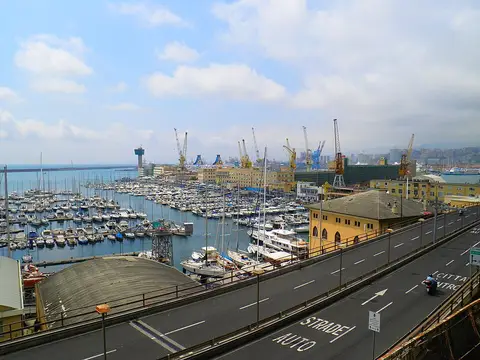
The architect Renzo Piano, a native of Genoa, redesigned the Porto Antico for the Columbus year of 1992. This is where you'll find the Aquarium of Genoa, one of the largest in Europe, next to the Galata maritime museum with a submarine you can walk through, and the Bigo panoramic elevator. If you stroll east along the coast, you'll reach the old fishing village of Boccadasse in the Levante district, with its colorful houses and small pebble beach, as well as the Corso Italia waterfront promenade.
Eating in Genoa
Pesto alla genovese, made with basil, pine nuts, garlic, pecorino, and Parmesan, is traditionally served with trofie or trenette, often with potatoes and green beans. Focaccia here is flat and oily, and is even dunked in cappuccino at breakfast; focaccia di Recco is filled with cheese. Then there's farinata made from chickpea flour, torta pasqualina, and fried seafood. If you'd like wine with your meal, choose a Vermentino or Pigato from the Riviera. Genoese locals shop at the Mercato Orientale in the center, while the friggitorie in the old town serve fried food to eat on the go.
Getting Around Genoa
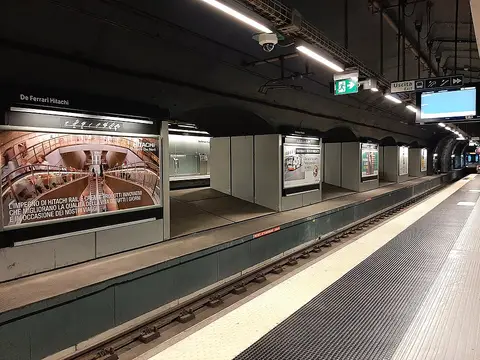
The airport lies to the west on the coast, and a bus connects it with the Principe and Brignole train stations. Because the city clings to steep hillsides, funiculars, a rack railway, and public elevators are part of the local transit system – the Castelletto elevator takes passengers up to a viewing terrace above the rooftops. A metro line serves the city center. Ferries depart from the ferry terminals for Sardinia, Corsica, Sicily, and North Africa.
Best Time to Visit and Day Trips
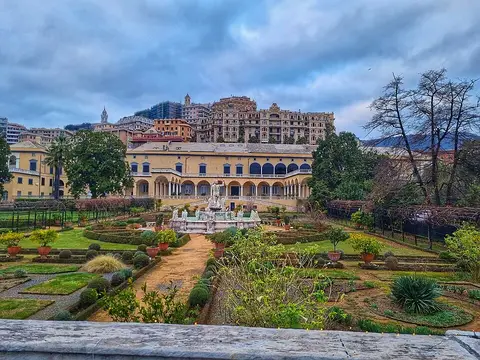
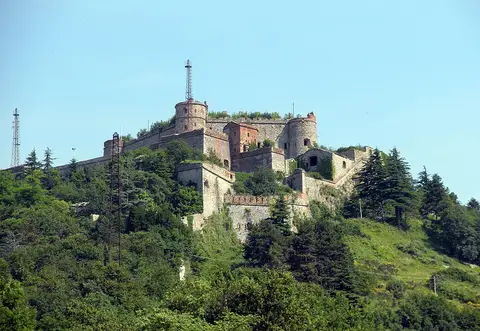
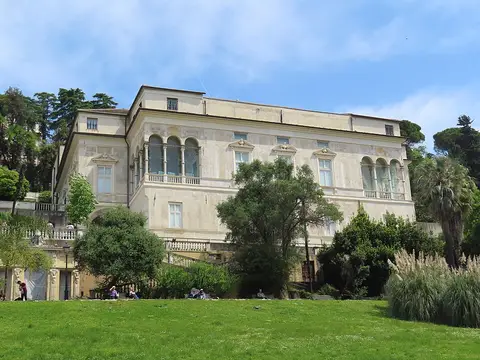
Thanks to the sheltering mountains at its back, the climate is mild even in winter, and snow rarely falls in the city; spring and fall are the best times to visit, while summer can get muggy. By train or boat you can reach Camogli, Portofino, and the bay of San Fruttuoso, and farther east the Cinque Terre. Hikers appreciate the forts on the hills above the city, which you can reach by the Principe–Granarolo rack railway or the Genova–Casella narrow-gauge railway; from there, trails follow the old city walls with wide views over the harbor and the sea. In Pegli to the west and Nervi to the east you'll find villas with large parks, including the Villa Durazzo-Pallavicini with its romantic 19th-century landscape garden full of little temples, bridges, and grottoes; the Nervi promenade, the Passeggiata Anita Garibaldi, runs right along the clifftops. A vacation in Genoa is easy to combine with beach days, since the Riviera's beaches begin almost at the edge of the city.