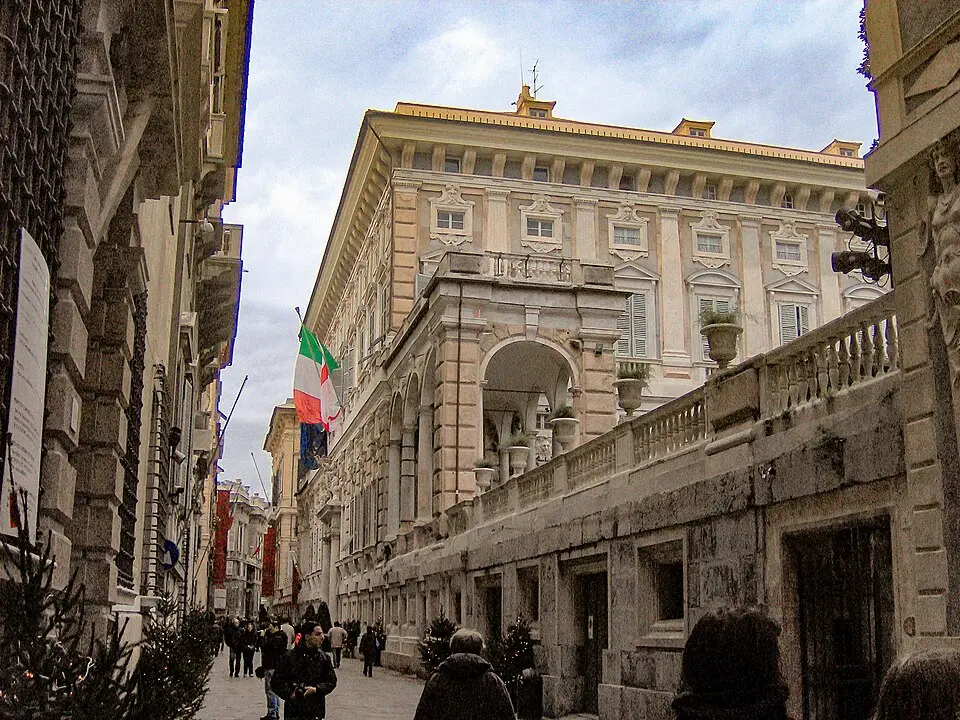
About Palazzo Doria Tursi
The Palazzo Doria Tursi, originally known as the Palazzo Niccolò Grimaldi, is the largest city palace on Via Garibaldi in Genoa and now houses the city hall. The building stands on the north side of the famous Strade Nuove and is part of the city's UNESCO World Heritage site. It was built in the late 16th century for the banker Nicolò Grimaldi, who ran up heavy debts on the lavish project. After Spain's state bankruptcy, the owner could no longer afford to furnish the palace fully, so it lacks the typical frescoes that adorn other palaces along this street. The Doria family later acquired the property before it passed in the 19th century to the King of Sardinia and finally to the city of Genoa.
Architecturally, the façade impresses with its monumental width and its harmonious palette of pink stone, dark slate, and white marble. It is divided into two stories and distinguished by pilasters and sculpted masks above the windows. Because the site rises to the north and a rear garden was not possible due to the monastery that stood there at the time, the interior makes up for it with an impressive staircase. It leads from the entrance area across a rectangular courtyard to a loggia on the second floor (the first floor in European usage) and looks like a second, architectural façade. Inside, you'll find mostly 19th-century decoration, including works by Francesco Gandolfi and Nicolò Barabino, as well as surviving 17th-century tapestries displayed in the city hall's reception rooms.
Today the building houses not only the municipal administrative offices but also an important exhibition space of the city's art museum on the so-called piano nobile. There you can admire valuable relics, including the ashes of Christopher Columbus and the violin of the famous violinist Nicolò Paganini. For its modern use as a city hall, annexes with a council chamber and offices were built in 1961 on the upper part of the hill behind the palace. These modern structures are topped with roof gardens so that they blend discreetly into the historic surroundings of the neighboring palazzi.
At a glance
- Category
- Sight › Palaces
- Rating
- no reviews yet · write a review
- Address
- Via Garibaldi, 9
16124 Genoa, Italy - District
- Centro Est
- Phone
- +390105574972
- Website
- www.palazzideirolli.it
- info@palazzideirolli.it
- Coordinates
- 44.41138° N · 8.93266° E
- Data quality
- confidence 0.99
- Identifier
- ID 4891ebd1-ad2…
Part of the tour
Genoa in One Day: Old Town, Harbor and Palazzi dei Rolli →Location & surroundings
Toggle layersFAQ about Palazzo Doria Tursi
quick answersWhat is the Palazzo Doria Tursi in Genoa?
The Palazzo Doria Tursi is the largest city palace on Via Garibaldi in Genoa and now houses the city hall. It stands at Via Garibaldi 9 in the Centro Est district on the north side of the Strade Nuove and is part of the city's UNESCO World Heritage site. The building was originally called Palazzo Niccolò Grimaldi, named after the banker for whom it was built in the late 16th century.
What can you see at the Palazzo Doria Tursi?
At the Palazzo Doria Tursi in Genoa, the piano nobile houses an important exhibition space of the city's art museum. Among other things, you can see the ashes of Christopher Columbus and the violin of the virtuoso Nicolò Paganini there. The city hall's reception rooms also display 17th-century tapestries and 19th-century decorations, including works by Francesco Gandolfi and Nicolò Barabino.
Why does the Palazzo Doria Tursi have no frescoes like other palaces on Via Garibaldi?
The Palazzo Doria Tursi in Genoa lacks the typical frescoes because its builder, Nicolò Grimaldi, could no longer afford to fully furnish the palace after Spain's state bankruptcy. Grimaldi had already gone into debt over the lavish project. The Doria family later acquired the property, which passed to the King of Sardinia in the 19th century and finally to the city of Genoa.
What is special about the architecture of the Palazzo Doria Tursi?
The Palazzo Doria Tursi in Genoa stands out for its monumentally wide, two-story facade of pink stone, dark slate, and white marble, articulated by pilasters and sculpted masks above the windows. Because the terrain rises to the north and a rear garden was not possible given the monastery that stood there at the time, an impressive stairway setting was created inside. It leads from the entrance across a rectangular courtyard to a loggia on the second floor and looks like a second facade. The city hall extensions with the council chamber, built in 1961, are designed with roof gardens so that they blend in discreetly.
What can you see around the Palazzo Doria Tursi in Genoa?
Around the Palazzo Doria Tursi on Via Garibaldi in Genoa, several other palaces and museums lie just a few steps away. travelguide195 lists, among others, the Palazzo Rosso of the Strada Nuova Museums about 50 meters away, the Palazzo Bianco about 59 meters away, the Palazzo Cattaneo-Adorno about 60 meters away, the Palazzo Nicolosio Lomellino about 70 meters away, and the Palazzo Angelo Giovanni Spinola about 86 meters away. Within 500 meters, travelguide195 also lists around 269 restaurants, and the palace is part of the tour "Genoa in One Day: Old Town, Harbor, and Palazzi dei Rolli."
Ratings & comments
none yetNear Palazzo Doria Tursi
closest 5 per category · 2 kmSights
Restaurants
Museums
Hotels
More:Palaces in Genoa (44)Sights in Centro Est (122)All sights in Genoa (254)
268 places within 2 km loaded.
Don't miss in Genoa
All sights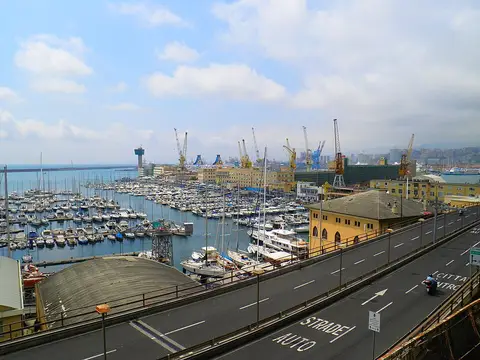 Historic sites01
Port of Genoa
No address · Genoa● Website○ Phone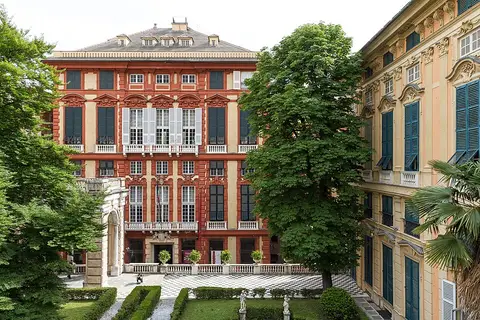 Historic sites02
Palazzi dei Rolli
Via Garibaldi · Genoa● Website○ Phone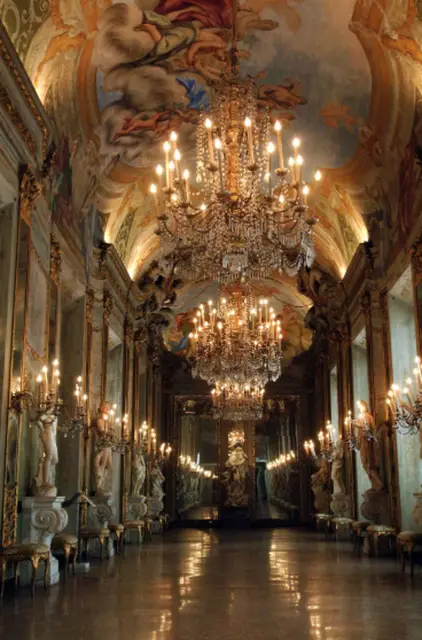 Historic sites03
Le Strade Nuove and system of Palazzi dei Rolli
Via Balbi, 2 · Genoa○ Website○ Phone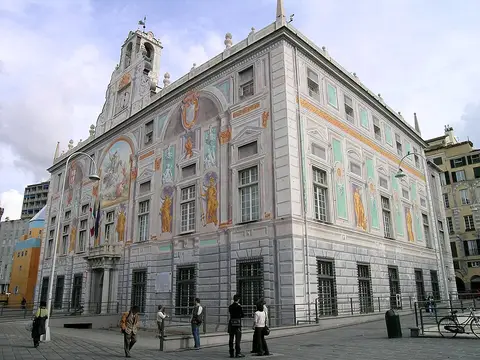 Palaces04
You need a free account to leave reviews and photos – that keeps comments genuine and lets you edit them later.