Liguria: The Riviera, Cinque Terre and Genoa
Travel guide · editorialA narrow arc of mountains dropping straight into the sea, with colorful houses, olive groves and lemon gardens in between: Liguria is one of Italy's smallest regions and one of its most impressive. A vacation in Liguria takes you to the old maritime republic of Genoa, the Cinque Terre and the resort towns of the Riviera di Ponente and the Riviera di Levante.
Between Mountains and Sea
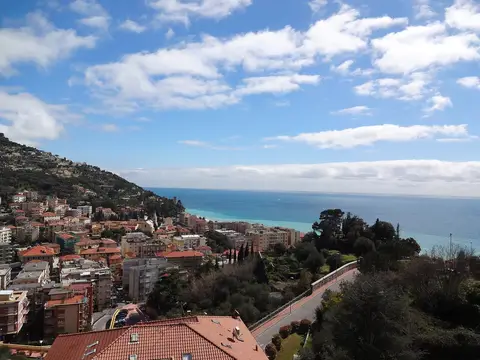
Liguria stretches roughly 300 kilometers from the French border near Ventimiglia to Tuscany, yet in places it is only 10 to 30 kilometers wide. The Ligurian Alps and the Apennines block cold winds and create a mild climate in which palms, agaves and flowers thrive. West of Genoa lies the Riviera di Ponente with its long beaches; to the east, the Riviera di Levante has rocky coves. Over the centuries, steep slopes were terraced with dry-stone walls to grow grapes and olives. In the hinterland, mountain villages hide away, often perched like fortresses on rocky spurs.
Genoa: A Port City of Palaces
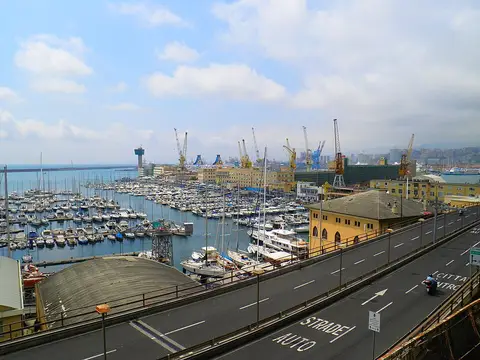
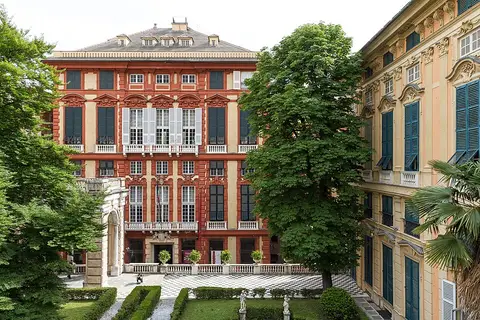
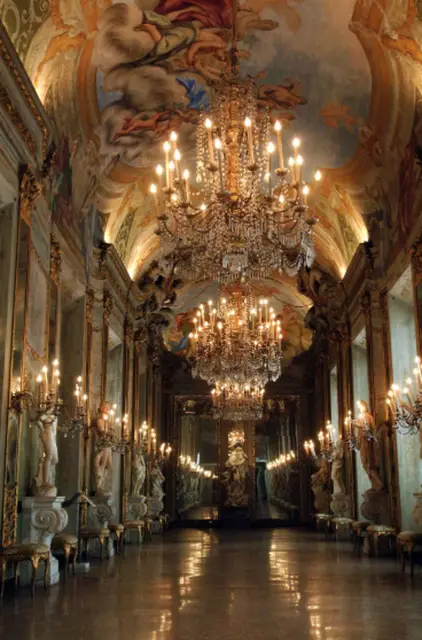
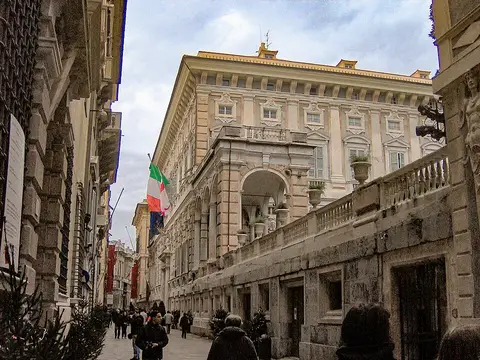
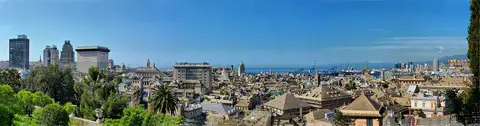
Genoa, once a rival of Venice, has one of the largest medieval old towns in Europe. In its narrow alleys, the caruggi, snack bars, craftsmen and churches sit side by side. The Strade Nuove, with Via Garibaldi and its Renaissance Rolli palaces, are a World Heritage site; some house museums with works by Rubens and Van Dyck. The Old Port, redesigned by Renzo Piano, is home to one of Europe's largest aquariums. Christopher Columbus was born in Genoa, and his supposed birthplace stands near the Porta Soprana. Funiculars and elevators take you up to viewpoints such as Castelletto, and the fishing village of Boccadasse lies on the eastern side of the city.
Sights in Liguria: The Riviera di Levante
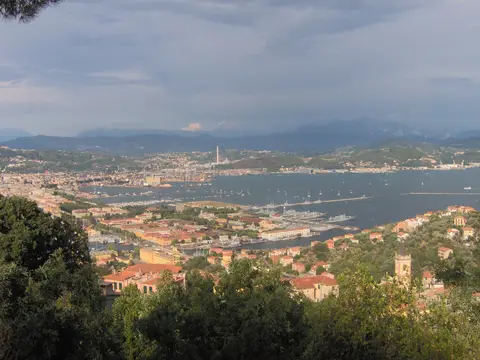
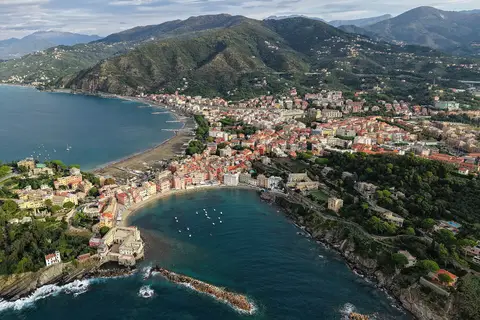
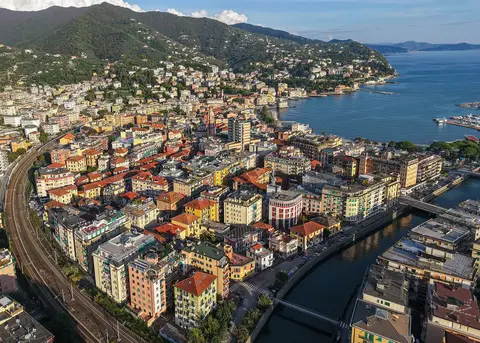
The Cinque Terre, five villages between Monterosso and Riomaggiore, are the most famous of Liguria's destinations and a national park. Vernazza, Corniglia and Manarola cling to the cliffs, linked by hiking trails and a railway line. It gets very crowded in summer, and some trails charge an entrance fee. La Spezia is the gateway, a port city with a naval museum, from which boats depart for Portovenere, which faces the island of Palmaria. On the Gulf of Tigullio you'll find elegant Portofino, quieter Santa Margherita Ligure and Camogli with its tall, colorful houses. San Fruttuoso Abbey can only be reached by boat or on foot. Sestri Levante has two bays, the Baia del Silenzio and the Baia delle Favole.
The Riviera di Ponente
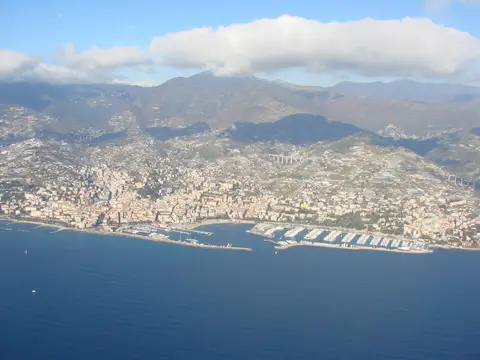
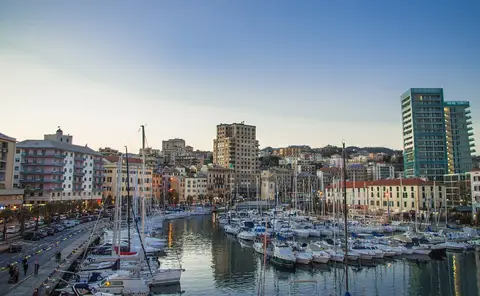
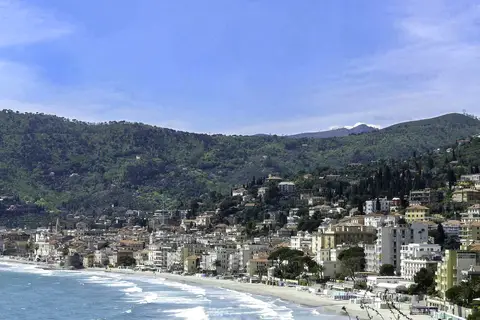
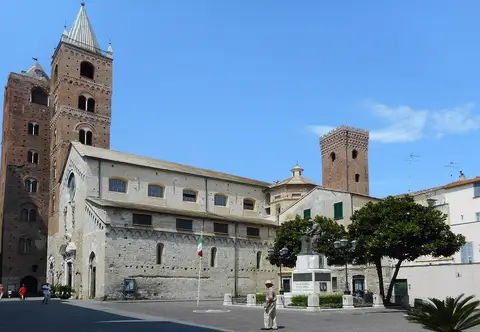
West of Genoa, the coast becomes flatter and more family-friendly. Savona is an industrial and cruise port with the Priamar Fortress. Finale Ligure is a hub for climbing and mountain biking, with the medieval district of Finalborgo. Alassio has one of the finest sandy beaches in the region and the Muretto wall with signatures of celebrities. Imperia was created in 1923 from Porto Maurizio and Oneglia and is the center of the olive oil trade. Sanremo is the city of flowers, with a casino, a Russian Orthodox church and the Italian song festival in February. Not far away are the Hanbury Gardens near Ventimiglia and the mountain village of Dolceacqua.
Food and Drink
Ligurian cuisine is herb-rich and light. Pesto alla genovese, made from basil, pine nuts, pecorino and olive oil, is served with trofie or trenette. Focaccia genovese is eaten for breakfast; in Recco, a thin version filled with cheese is the specialty. Farinata is a flatbread made from chickpea flour, and pansoti are served with walnut sauce. By the sea you'll find anchovies from Monterosso and the fish stew buridda. Taggiasca olives from the west produce a mild oil. To drink, there's Vermentino, Pigato and the sweet Sciacchetrà from the Cinque Terre.
Getting There and Best Time to Visit
Genoa's airport is small, so many travelers arrive via Pisa, Nice or Milan. The coastal railway connects almost all towns between Ventimiglia and La Spezia and is often faster than driving on the winding Via Aurelia. Parking is scarce. The best time to visit Liguria is April to June and September to October, when it is warm but not overcrowded. Winters stay mild, and the Riviera di Ponente attracts winter visitors, while in the Cinque Terre some trails may be closed.