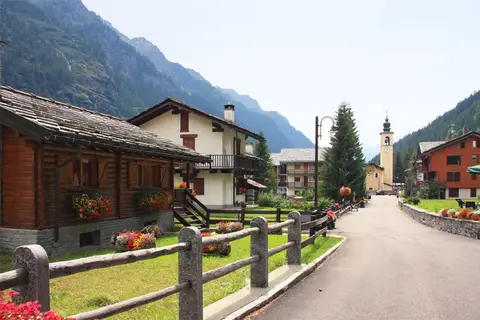
Aosta Valley: Italy's Highest Mountains
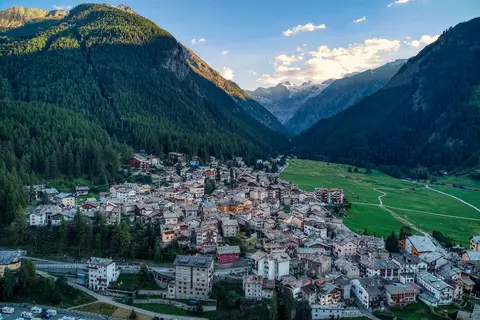
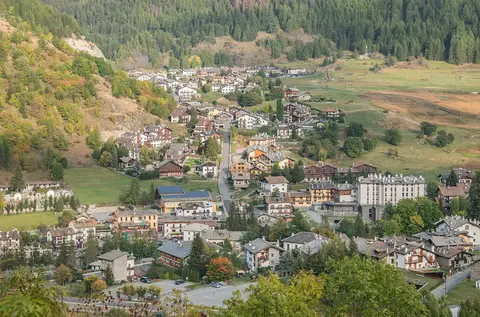
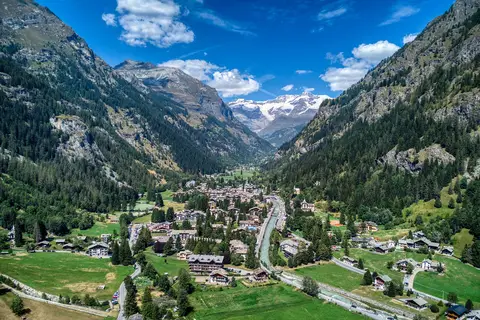
Travel guide · editorialItaly's smallest region is ringed by the highest peaks in the Alps: Mont Blanc, the Matterhorn, Monte Rosa, and Gran Paradiso. A vacation in the Aosta Valley means skiing and mountaineering, Roman ruins in Aosta, castles on the valley floor, and a cuisine that tastes of Fontina.
A Valley Between Four-Thousanders
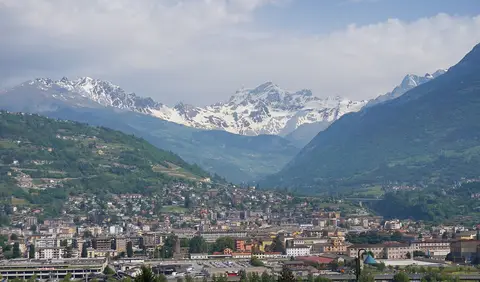
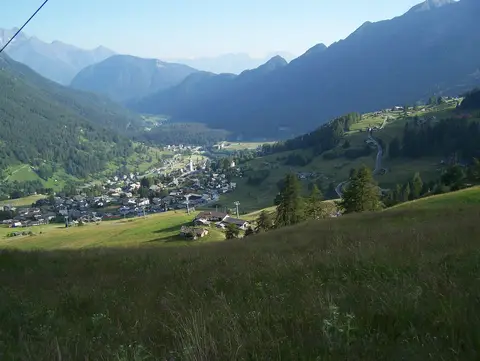
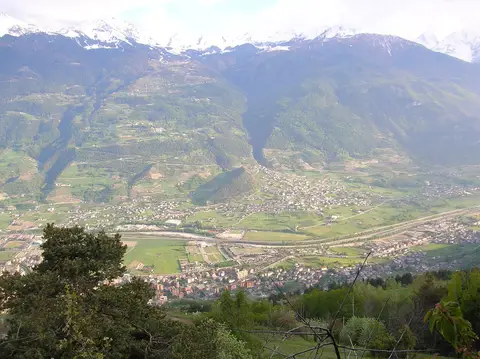
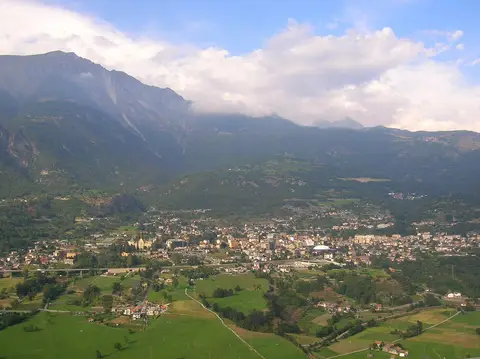
The Aosta Valley, called Vallée d'Aoste in French, follows the Dora Baltea River from the French and Swiss borders to the plains of Piedmont. Numerous side valleys branch off to the north and south. The region is autonomous and officially bilingual: alongside Italian, French is an official language, many locals also speak Franco-Provençal, and German-speaking Walser live in the Lys Valley. To the south lies Gran Paradiso National Park, Italy's oldest, created from a royal hunting preserve; it is home to ibex, which were once nearly hunted to extinction. With the tunnels under Mont Blanc and the Great St. Bernard Pass, the valley is an important transit route.
Aosta and the Castles
Aosta was founded in 25 BC as Augusta Praetoria and is sometimes called the Rome of the Alps. The Arch of Augustus, the Praetorian Gate, the tall facade of the Roman theater, and the forum with its underground cryptoporticus are all preserved. The Collegiate Church of Sant'Orso has a Romanesque cloister with finely carved capitals. More than a hundred castles and fortified towers line the main valley. Fénis with its battlements and frescoes, the imposing Fort Bard, now a museum of the Alps, Issogne, and Verrès are among the most impressive. In Gressan, just across from Aosta, the cable car up to the Pila ski area begins.
Sights in the Aosta Valley: Mountains and Valleys
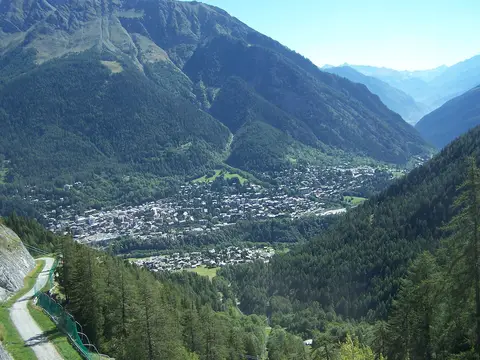
Courmayeur lies at the foot of Mont Blanc. From here the Skyway Monte Bianco, with its rotating cabin, climbs to over 3,400 meters (about 11,200 feet), with views of glaciers and peaks. The side valleys of Val Ferret and Val Veny are a hiking paradise in summer. La Thuile is linked with France's La Rosière to form a cross-border ski area. In Valtournenche, Breuil-Cervinia sits beneath the south face of the Matterhorn, known here as Cervino; the slopes connect to Zermatt. The Ayas Valley with Ayas and Champoluc belongs to the Monterosa Ski area. Cogne is the gateway to Gran Paradiso, with meadows, waterfalls, and trails to ibex-viewing spots.
Culture and Daily Life
The region lives off tourism, but also off hydropower and livestock farming. In autumn, cows come down from the high pastures to the valley in the Désarpa, and in spring cows lock horns over the pecking order in the Batailles de Reines, a bloodless and very popular tradition. At the end of January, Aosta hosts the Fiera di Sant'Orso, a woodcraft market with a tradition going back over a thousand years. Saint-Vincent is known for its casino, one of the largest in Europe, and its thermal baths.
Food, Getting There, and Best Time to Visit
Fontina, a semi-hard cow's-milk cheese, is the basis of fonduta. Other specialties include lardo from Arnad, Jambon de Bosses, polenta concia, and zuppa alla valpellinentze with bread, cabbage, and cheese. After the meal comes the grolla, a wooden vessel with several spouts for spiced coffee with grappa. The vineyards are among the highest in Europe. You can get here via Turin, Milan, or Geneva; the highway runs through the valley, and trains run as far as Aosta. The best time to visit is summer for hiking and winter, from December to April, for skiing.