Tuscany: Renaissance, Cypress Trees and Chianti
Travel guide · editorialAvenues of cypress trees, vineyards and cities where the Renaissance was born: Tuscany shapes the image of Italy like hardly any other region. A vacation in Tuscany takes you from the Uffizi in Florence past the towers of San Gimignano to the beaches of the Maremma and the island of Elba.
Landscape and Location
Tuscany stretches from the ridge of the Apennines to the Tyrrhenian Sea. In the north, the Apuan Alps rise up, and white marble has been quarried from their cliffs near Carrara since Roman times. The center of the region is made up of gentle hills: the Chianti between Florence and Siena, the bare clay hills of the Crete Senesi, and the Val d'Orcia with its iconic rows of cypresses, a UNESCO World Heritage site. In the south you'll find the Maremma, long a marshland, with the Uccellina nature park, and the volcanic cone of Monte Amiata. The Tuscan Archipelago includes Elba, Giglio and Capraia.
Florence, Siena and the Art Cities
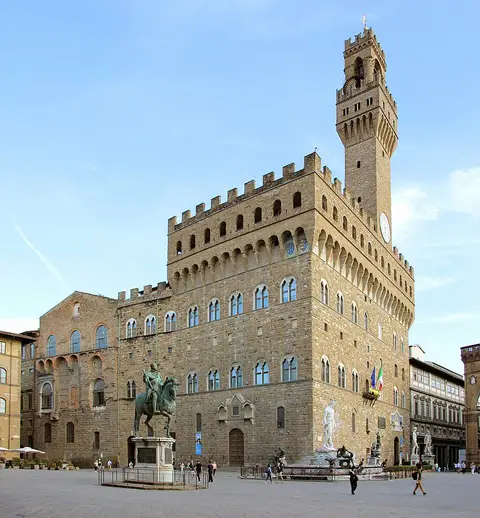
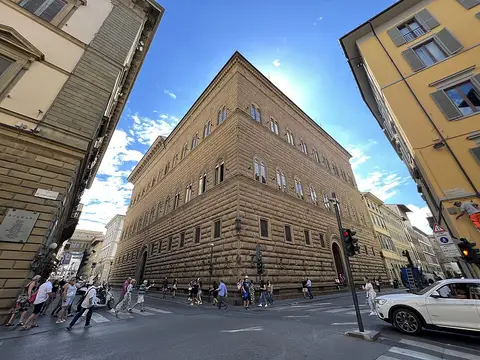
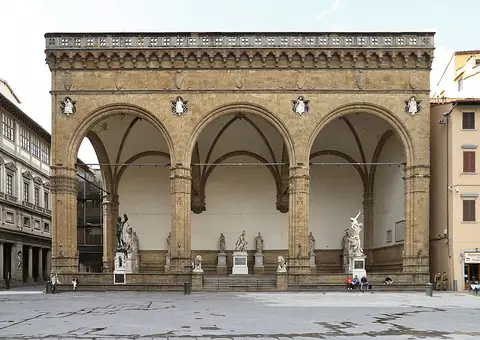
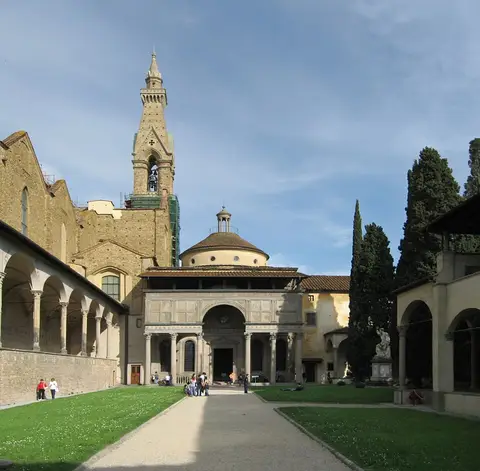
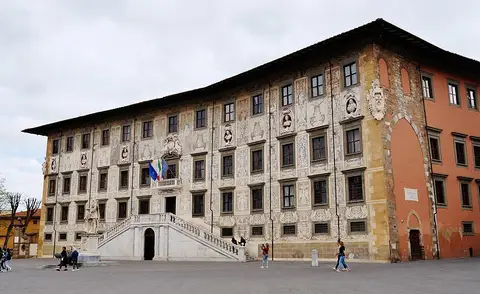
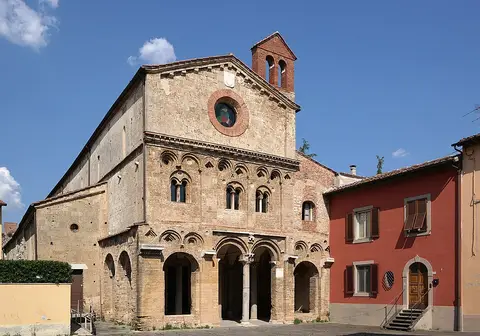
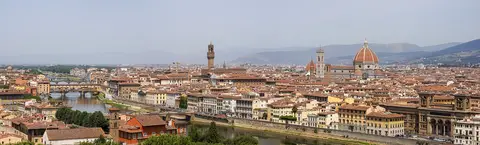
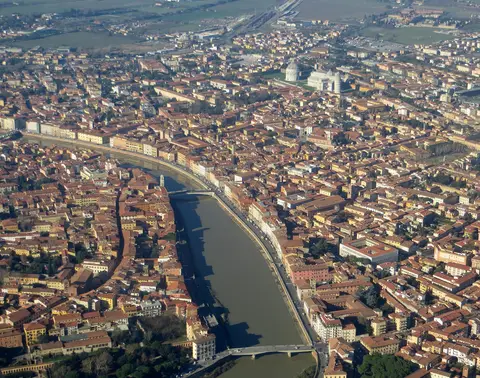
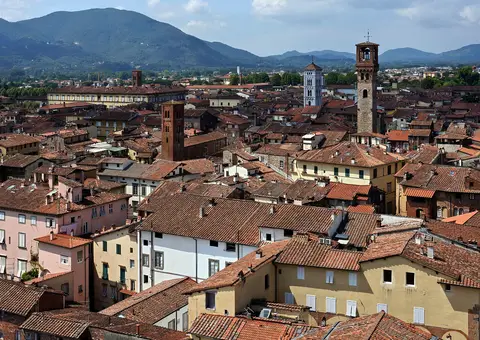
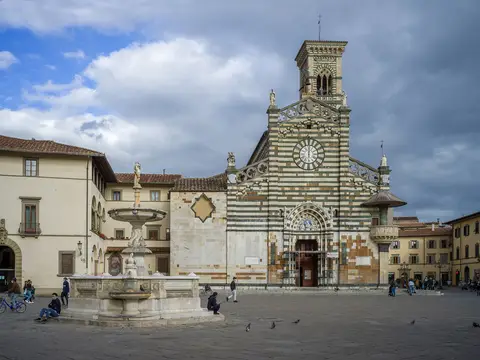
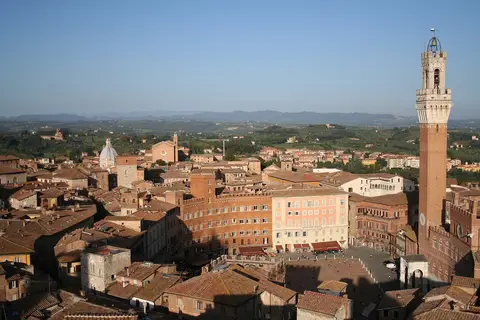
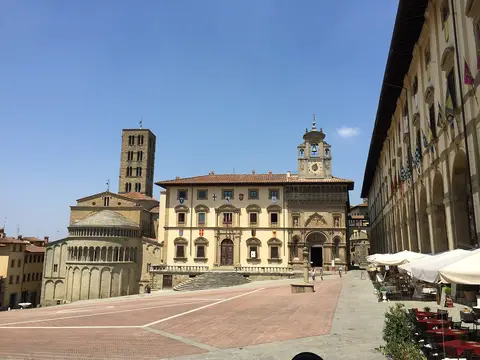
Florence was the center of the Renaissance under the Medici. Brunelleschi's cathedral dome, the Uffizi with Botticelli's Birth of Venus, Michelangelo's David in the Accademia and the Ponte Vecchio are all within walking distance of one another. To escape the crowds, climb up to Piazzale Michelangelo or visit the Oltrarno district with its artisans. Siena is the Gothic counterpart: the shell-shaped Piazza del Campo, the striped cathedral and the Palio, the horse race between the city's districts held on July 2 and August 16, make it unmistakable. Pisa offers more than the Leaning Tower, namely a lively student scene along the banks of the Arno. Lucca is surrounded by a completely preserved city wall that you can cycle along, and is considered Puccini's birthplace. Arezzo has Piero della Francesca's fresco cycles, and Prato a long textile tradition and a center for contemporary art.
Sights in Tuscany
Among the most popular destinations in Tuscany are the small hill towns. San Gimignano with its medieval tower houses, Montepulciano and Montalcino with their wine cellars, Pienza, which Pope Pius II had rebuilt as an ideal city, and Volterra with Etruscan walls and alabaster workshops. Sant'Antimo Abbey and the Monte Oliveto Maggiore monastery lie quietly among the fields. In the Maremma, visitors can bathe for free in the thermal pools of Saturnia, and Pitigliano clings spectacularly to a tuff rock. The Garfagnana north of Lucca, by contrast, is hiking country with chestnut forests.
Coast and Islands
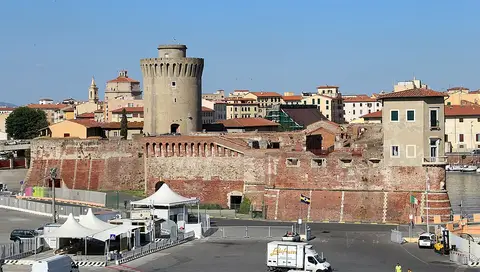
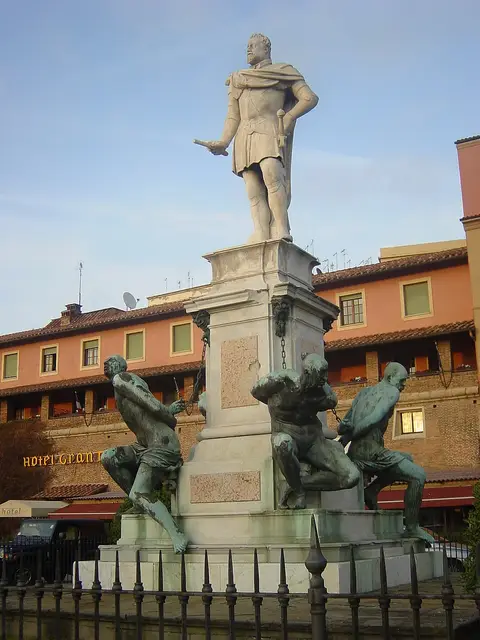
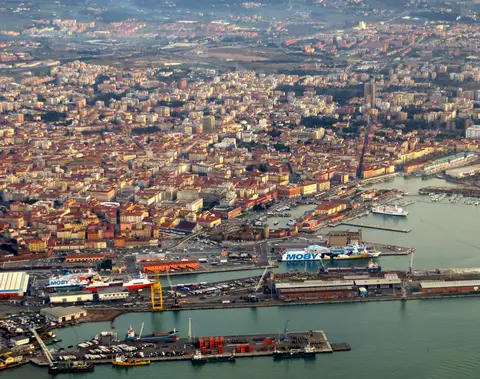
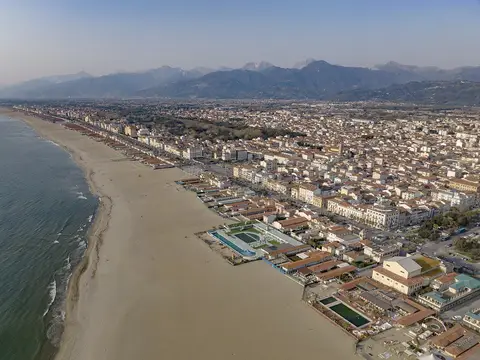
Livorno is a young Medici port city with canals in the Venezia Nuova district and a ferry port with service to Corsica, Sardinia and Elba. North of it, one seaside resort follows another along the Versilia, including Viareggio with its big carnival and the chic Forte dei Marmi. To the south, the Etruscan Riviera around Castiglioncello and Populonia offers pine forests and coves. Grosseto is the main town of the Maremma and the starting point for beaches such as Castiglione della Pescaia and Monte Argentario. You can reach Elba in an hour by ferry from Piombino; Napoleon lived there in exile in 1814.
Food and Drink
Tuscan cuisine thrives on a few good ingredients. Bistecca alla fiorentina, a thick steak from Chianina cattle, is only briefly grilled. Ribollita and pappa al pomodoro make use of stale, unsalted bread, and pici are thick hand-rolled noodles from the Siena area. In Livorno they cook the fish stew cacciucco, and in Florence vendors sell lampredotto, tripe sandwiches, from food carts. Siena is famous for panforte and ricciarelli, Prato for cantucci, which you dunk in Vin Santo. Wines such as Chianti Classico, Brunello di Montalcino, Vino Nobile di Montepulciano and the Bolgheri wines of the coast are world-renowned, and then there's the green, peppery olive oil from the fall harvest.
Getting There and Best Time to Visit
Pisa Airport is the main gateway to the region; Florence-Peretola is smaller. Florence sits on the high-speed line between Milan and Rome, and regional trains connect Pisa, Lucca, Siena and Arezzo. For the Chianti and the Val d'Orcia, a car is almost indispensable, as buses run only infrequently. The best times to visit are spring, with blooming poppies, and fall, with the grape and olive harvests. July and August are hot and Florence is very crowded, so the coast is the better choice then. In winter the art cities are quiet, but many agriturismi are closed.