Discover Livorno: Canals, Cacciucco, and the Sea
Travel guide · editorialLivorno is the unconventional side of Tuscany: a port city with canals like Venice's, a checkerboard promenade along the sea, and a fish stew you won't soon forget. A trip to Livorno offers sea air, relaxed evenings, and honest cooking instead of Renaissance museums.
A City of Tolerance
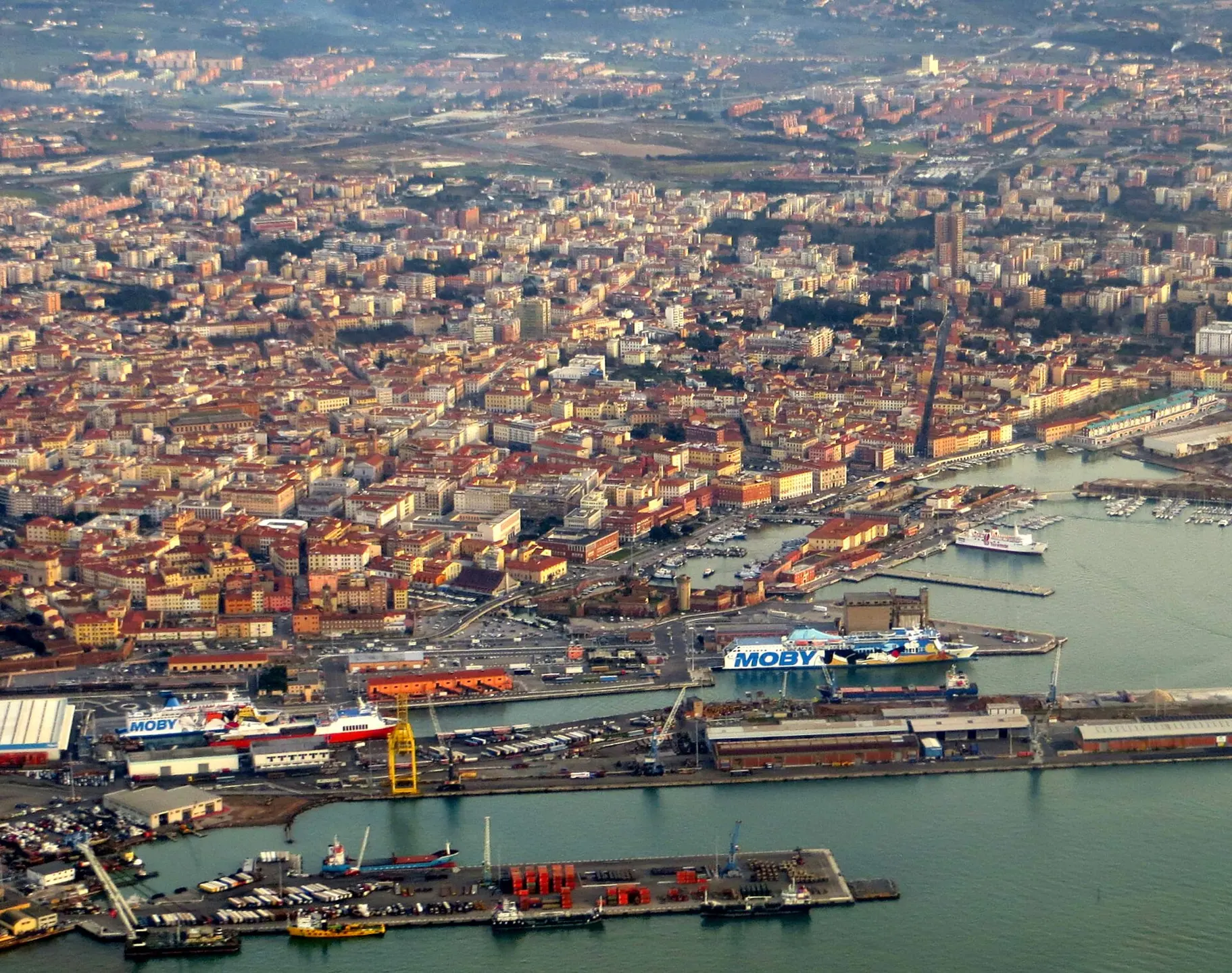
Livorno was developed into the port of Tuscany by the Medici in the late 16th century. The "Leggi Livornine" of 1591 to 1593 guaranteed merchants of all religions freedom, protection, and rights. The result was a cosmopolitan port city with large Jewish, Greek, Armenian, and English communities. Livorno was heavily destroyed in World War II, and many buildings are modern. The painter Amedeo Modigliani and the composer Pietro Mascagni were born here.
Sights in Livorno
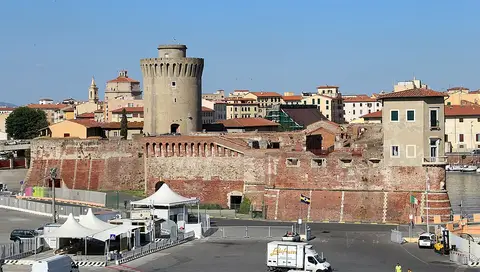
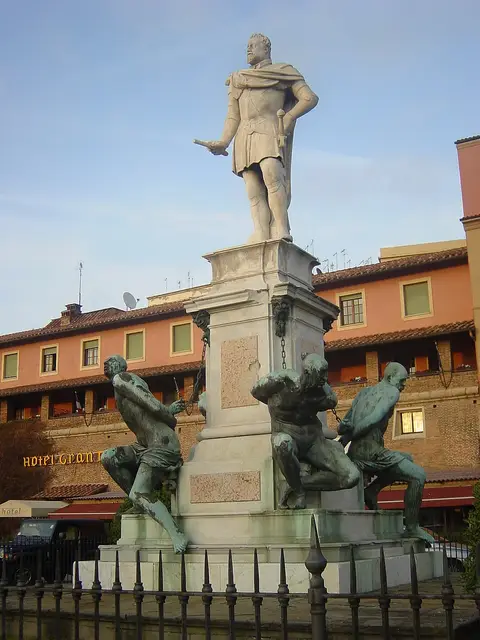
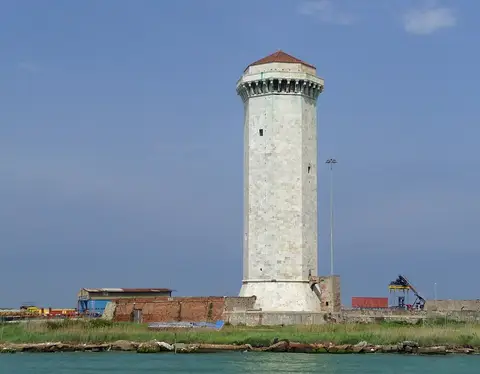
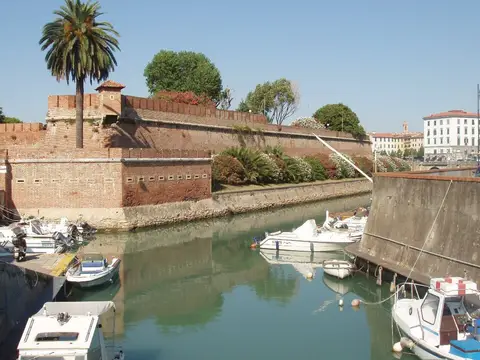
The Venezia Nuova district, laid out in the 17th century by Venetian builders, is crisscrossed by canals where boat tours are offered; the Fortezza Nuova fortress sits in the middle of the neighborhood. At the harbor, the Fortezza Vecchia and the Monument of the Four Moors stand guard, four bronze figures of shackled prisoners beneath a statue of Grand Duke Ferdinando I. The Mercato Centrale, a huge 19th-century market hall, is among the largest covered markets in Europe. To the south, the Terrazza Mascagni stretches along the sea, with a large checkerboard floor of black-and-white tiles that draws plenty of strollers at sunset.
Along the Sea
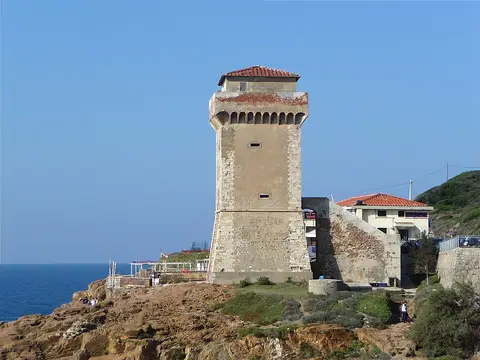
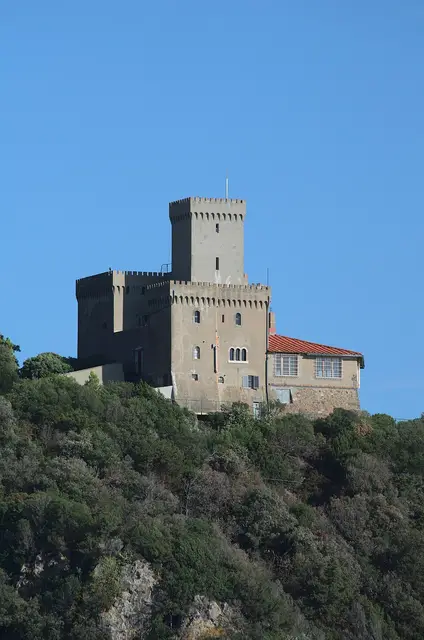
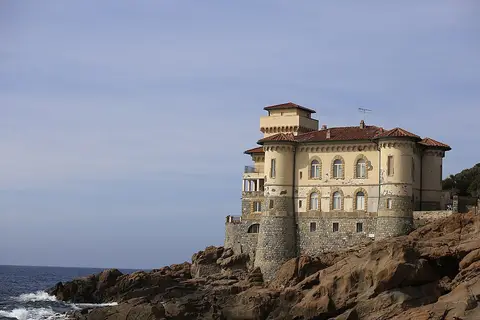
South of the Terrazza, the waterfront road follows the coast through the Ardenza and Antignano districts, with bathing establishments, rocky coves, and 19th-century villas. The Diacinto Cestoni Aquarium sits right on the promenade. If you're looking for peace and quiet, farther south near Calafuria and Quercianella you'll find a steep, rocky coastline with cliffs and small beaches.
Eating in Livorno
Cacciucco is the city's signature dish: a thick, spicy fish stew made with at least five kinds of fish and seafood, served over toasted garlic bread. For a bite on the go, try "Cinque e cinque," a roll filled with torta di ceci, a chickpea flatbread. Triglie alla livornese, red mullet in tomato sauce, reveals the influence of Jewish cuisine. With coffee, locals drink Ponce alla livornese, a hot rum coffee introduced by English sailors in the 18th century. The restaurant scene is down-to-earth and significantly cheaper than in Florence.
Getting Around and Best Time to Visit
Pisa Airport is only about 25 kilometers (16 miles) to the north, and trains reach Pisa in about 15 minutes and Florence in just over an hour. Ferries leave from the port for Corsica, Sardinia, Elba, and the island of Capraia. Buses run within the city. The best time to visit is between May and October. In July, the Palio Marinaro takes place, a rowing regatta between the city's neighborhoods that Livorno follows with great passion. In summer, the Effetto Venezia festival invites you to concerts and stalls in the alleys and on the canals of the old district. If you want to combine a Livorno vacation with nature, take the ferry to Gorgona or Capraia, small islands of the Tuscan Archipelago, or hike in the hills of Montenero, home to a pilgrimage church that you can reach by historic funicular.