Discover Florence: The Duomo, the Uffizi, and the Arno
Travel guide · editorialHardly any city has shaped art history the way Florence has: the Renaissance was born here, and within just a few square miles you'll find works by Giotto, Botticelli, Michelangelo, and Leonardo. A city break in Florence is a feast for the eyes, but a Florence vacation is also an invitation to enjoy Tuscan cuisine and evenings along the Arno.
The City of the Medici
The Romans founded Florentia in 59 B.C. as a colony for veterans. In the Middle Ages the city grew rich through the cloth trade and banking; the florin was one of the most important coins in Europe. In the 15th century, the Medici, as bankers and patrons of the arts, made Florence the center of humanism. Later they ruled as grand dukes of Tuscany, and from 1865 to 1871 Florence was even the capital of the Kingdom of Italy. The historic center has been a UNESCO World Heritage Site since 1982.
Sights in Florence
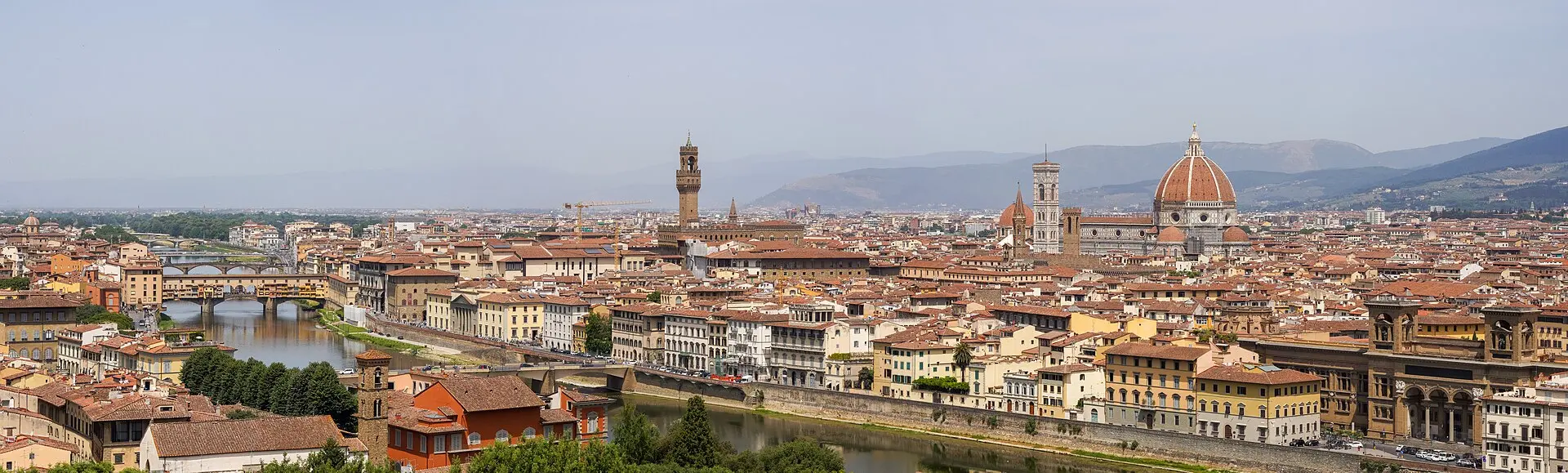
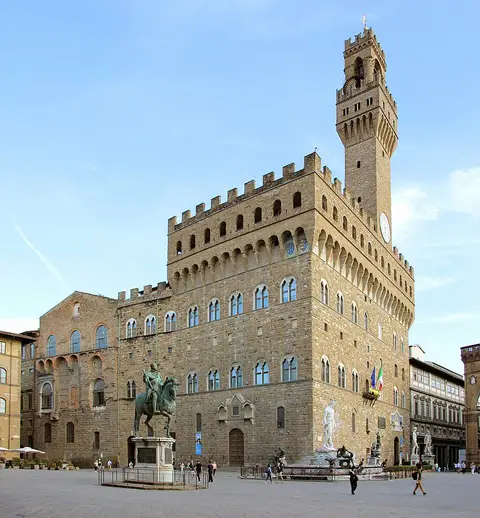
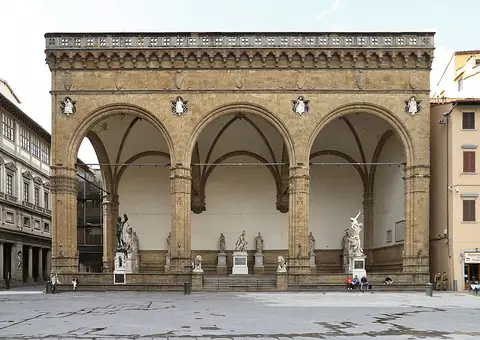
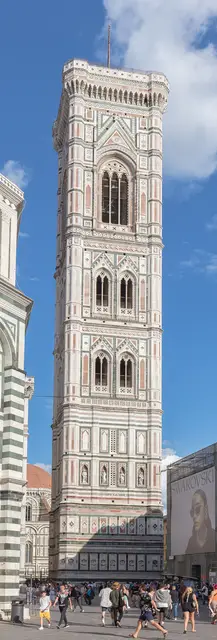
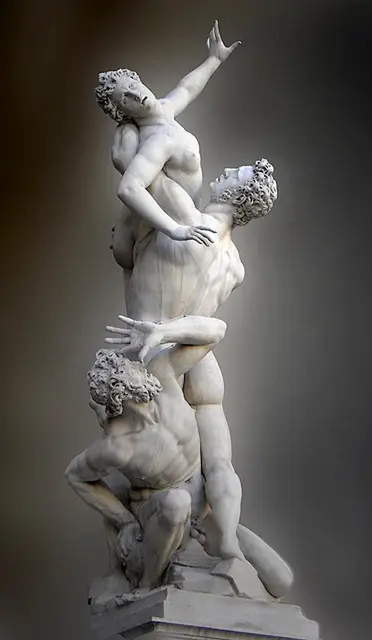
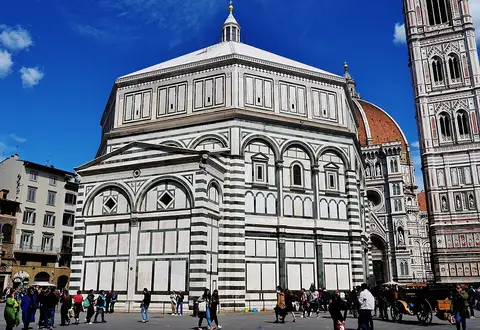
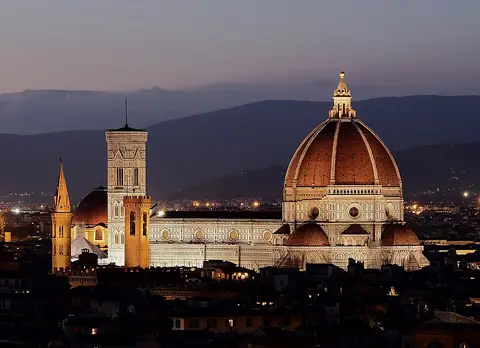
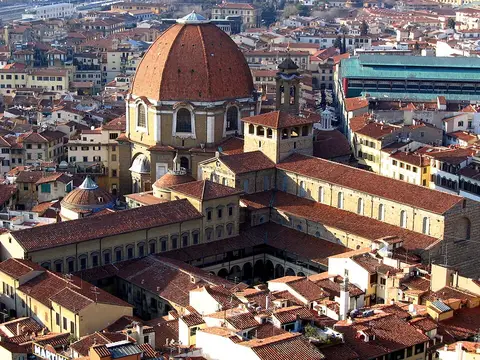
The dome of the Cathedral of Santa Maria del Fiore, built by Filippo Brunelleschi without centering, dominates the skyline. If you climb the more than 460 steps to the top, you'll get a close-up look at the Last Judgment frescoes along the way. Next to it stand Giotto's Campanile and the Baptistery with Ghiberti's "Gates of Paradise." The Piazza della Signoria, with the Palazzo Vecchio and the Loggia dei Lanzi, is an open-air gallery, and a copy of Michelangelo's David stands in front of the town hall. The Ponte Vecchio, lined with goldsmiths' shops, spans the Arno, and the Vasari Corridor runs above it. The Piazzale Michelangelo offers the classic postcard view, and it's even quieter from San Miniato al Monte.
Museums and Culture
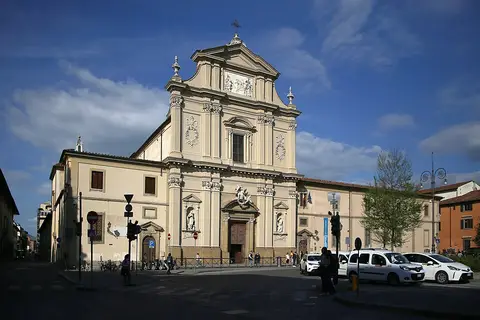
The Uffizi is home to Botticelli's "Birth of Venus" and "Primavera," along with works by Leonardo, Raphael, and Caravaggio. You can see the original David in the Galleria dell'Accademia. The Palazzo Pitti on the other bank of the Arno houses several museums, and the Boboli Gardens stretch out behind it. The Museo del Bargello displays sculptures by Donatello, and San Marco shows Fra Angelico's frescoes in the monks' cells. For many museums, reservations are recommended, especially between Easter and October.
Neighborhoods Beyond the Art
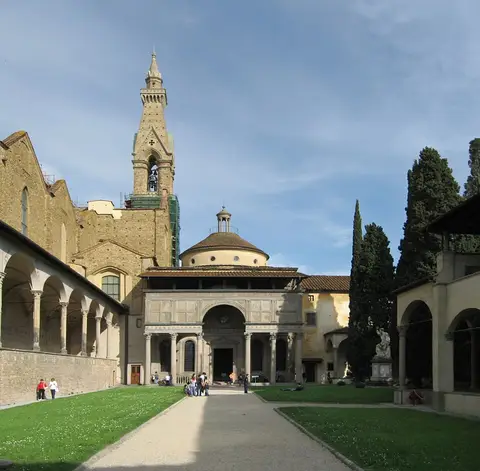
The historic center contains almost all of the major monuments. It's well worth crossing the river to Oltrarno: in Santo Spirito and San Frediano, artisans still work in their trades, including restorers, gilders, and shoemakers, and in the evening the Piazza Santo Spirito fills up. Around Santa Croce, the burial church of Michelangelo, Galileo, and Machiavelli, you'll find student bars and leather workshops. The Sant'Ambrogio neighborhood has a relaxed, everyday feel. Farther north, around Rifredi and Novoli, many Florentines live away from the tourist crowds; the law courts are also here, a modern contrast to the Renaissance. If you want to go out in the evening, you'll find wine bars in Oltrarno and around Santa Croce that serve a glass of Chianti with crostini, and in summer there are open-air cinemas and bars along the banks of the Arno.
Eating in Florence
The most famous dish is bistecca alla fiorentina, a thick T-bone steak from Chianina cattle, grilled rare and priced by weight. Other specialties include ribollita, a bread-and-vegetable stew, pappa al pomodoro, and pici. A Florentine original is lampredotto, a tripe sandwich sold from street carts. The Mercato Centrale near San Lorenzo has market stalls downstairs and a food hall upstairs; the Mercato di Sant'Ambrogio is more authentic. Pair your meal with a glass of Chianti Classico, and finish with gelato; according to legend, ice cream in its modern form was invented at the Medici court.
Getting Around and the Best Time to Visit
The small Peretola airport is connected to Santa Maria Novella station by tram, and many travelers fly into Pisa and take the train from there. The center is largely traffic-calmed and is best explored on foot. The best times to visit are April to June and September to October; July and August are often oppressively hot and very crowded. Day trips lead to Fiesole, the Chianti region, Siena, or San Gimignano. You can reach Fiesole by city bus in about half an hour; there you'll find a Roman theater and a sweeping view over the Arno Valley. Siena is faster by bus than by train, while Lucca and Pisa lie on the same rail line west of the city. If you travel in winter, you'll have the Uffizi almost to yourself and pay significantly less for accommodations.