Discover Syracuse: Ortigia, the Greeks and the Sea
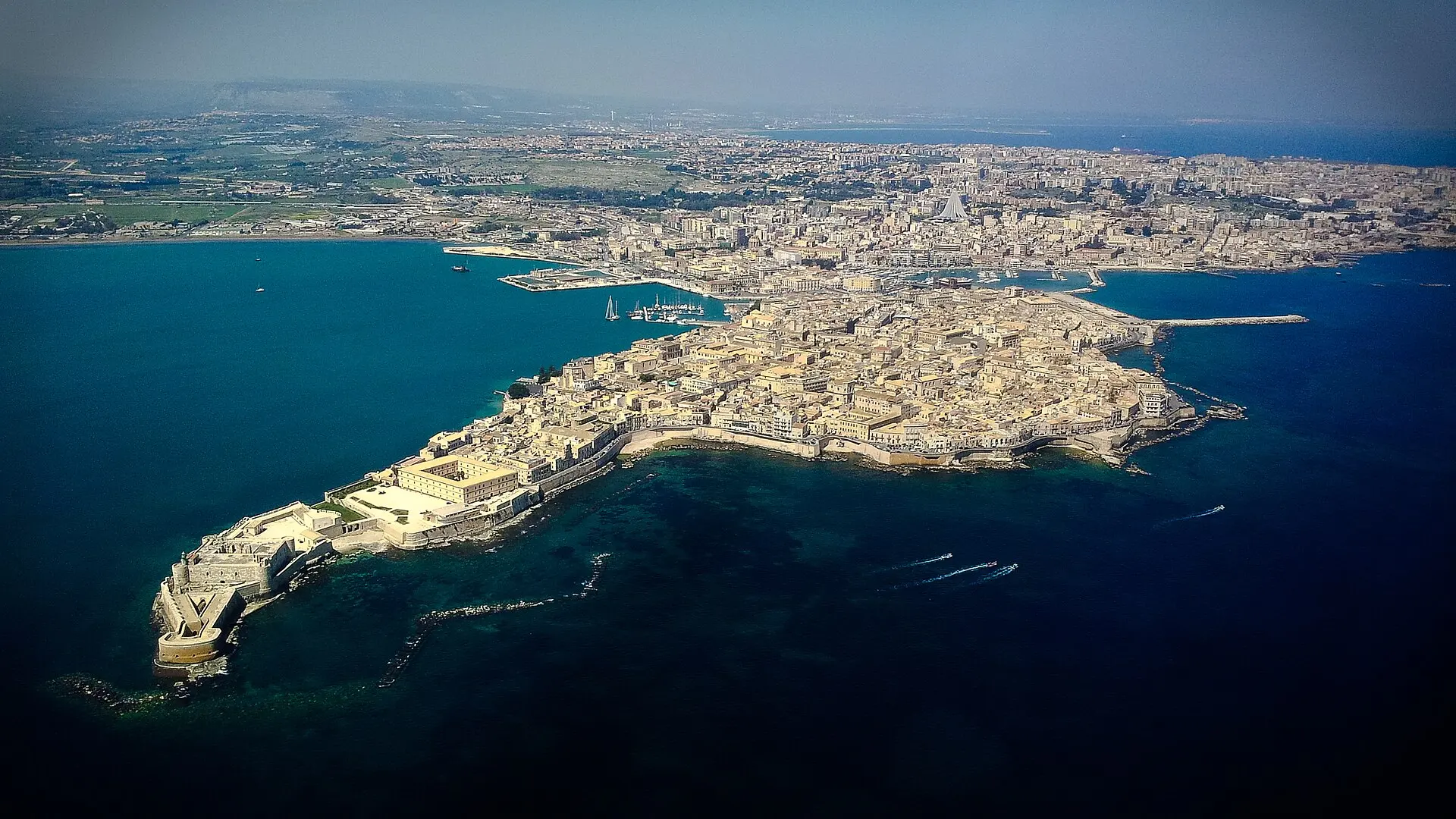
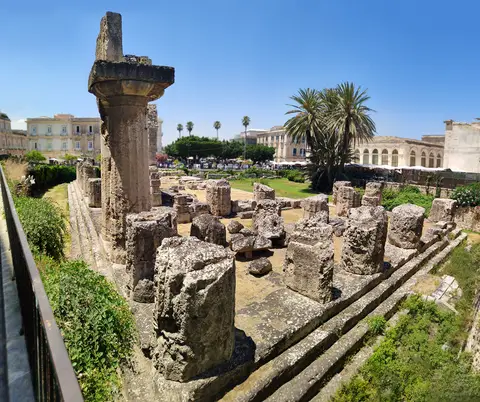
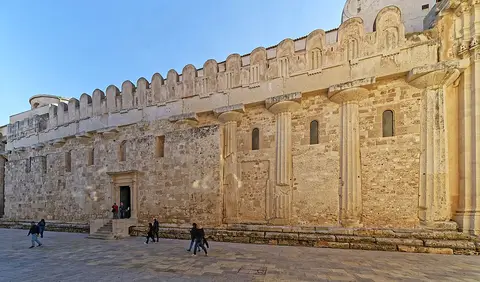
Travel guide · editorialIn Syracuse Cathedral, the Doric columns of a Greek temple still stand in place, walled into the sides of a Baroque church – hardly any building shows the layers of history so clearly. A trip to Syracuse leads to one of the most powerful cities of antiquity and to the old-town island of Ortigia, which ranks among the most beautiful places in Sicily.
Athens' Rival
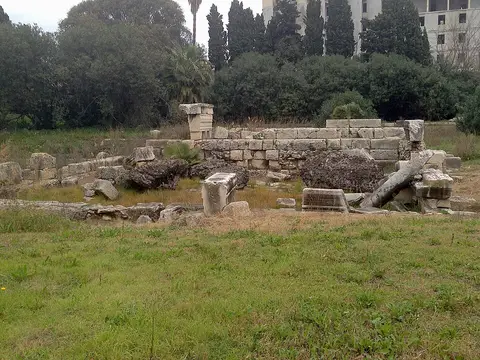
Settlers from Corinth founded Syracuse in 733 B.C., and the city soon became one of the largest in the Greek world. In 413 B.C. it destroyed an Athenian army, and later it was ruled by tyrants such as Dionysius. Archimedes was born here and defended the city against the Romans with his inventions until it fell in 212 B.C. Together with the rock-cut necropolis of Pantalica, Syracuse is now a UNESCO World Heritage Site.
Sights in Syracuse
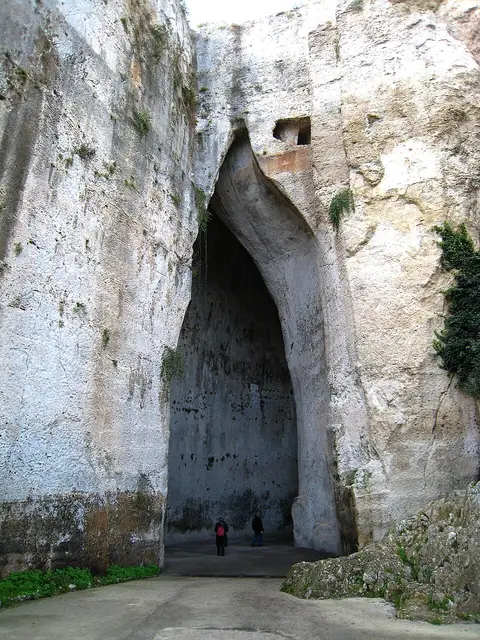
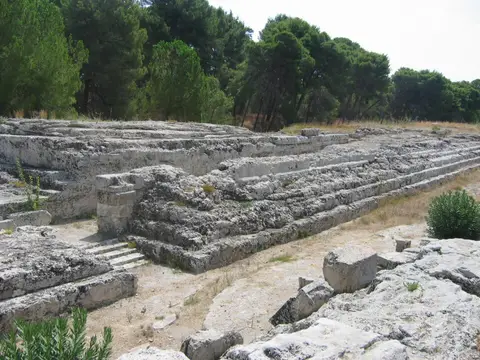
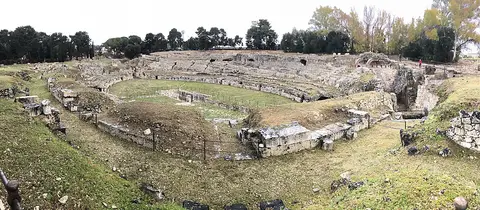
The Neapolis Archaeological Park is home to the Greek theater, carved into the rock and one of the largest of its kind. Every spring, ancient tragedies are performed here, as they have been for more than a hundred years. Nearby you can see the Roman amphitheater, the huge Altar of Hieron II, and the quarries, including the "Ear of Dionysius," a cave with astonishing acoustics. The Paolo Orsi Archaeological Museum holds one of the most important collections in Sicily.
Ortigia
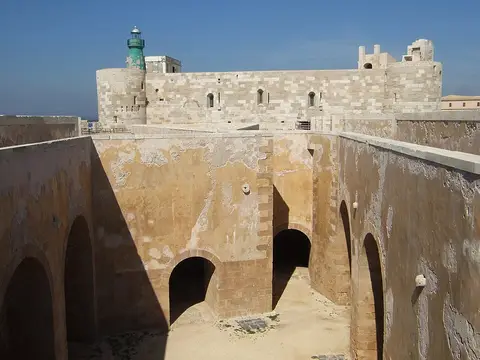
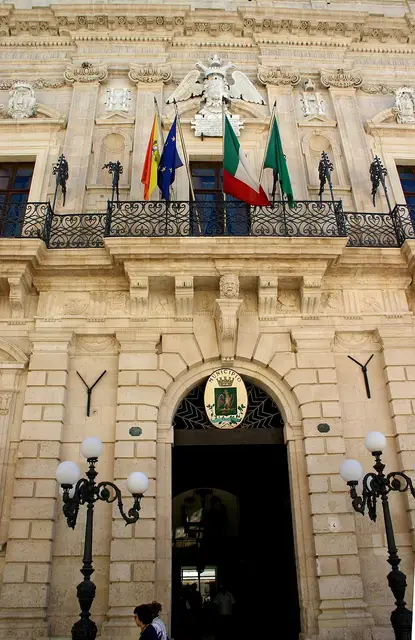
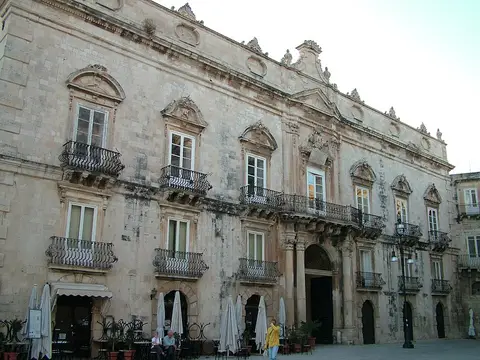
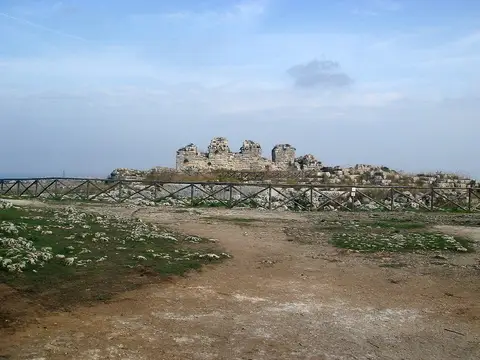
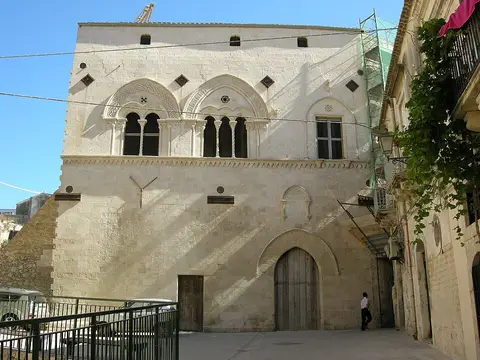
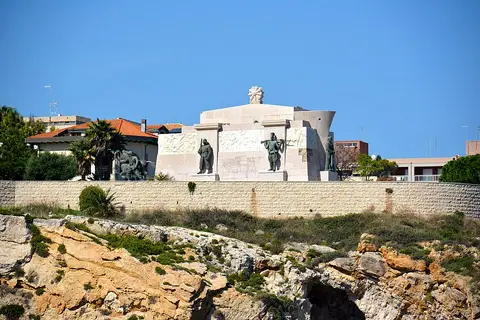
Two bridges lead to the island of Ortigia, the historic heart of the city. Piazza Duomo, with its pale Baroque paving, is one of the most beautiful squares in Italy. Caravaggio's "Burial of Saint Lucy" hangs in the church of Santa Lucia alla Badia. Along the waterfront, the Fountain of Arethusa bubbles up, with papyrus growing in it, and at the tip of the island the Hohenstaufen-era Castello Maniace stands guard. The lanes of the former Jewish Giudecca hide an underground ritual bath considered one of the oldest in Europe. For a swim, you climb down ladders from wooden platforms straight into the sea.
Eating in Syracuse
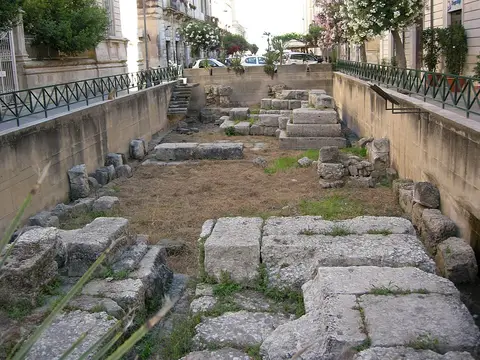
At the Ortigia market near the Temple of Apollo, tuna, swordfish, lemons, and olives are piled high in the morning; some delicatessen stalls make panini to order. Typical dishes include pasta with anchovies and breadcrumbs, spaghetti with sea urchin, and almond pastries. For dessert there is granita made from almonds or mulberries and, in winter, cannoli filled with fresh ricotta. In the evening, people gather at the bars along Ortigia's Lungomare for sunset, and on Piazza Duomo you can sit outside until late.
Getting Around and Day Trips
The nearest airport is Catania, from where buses and trains reach Syracuse in about an hour. Ortigia is largely closed to cars and is best explored on foot. To the south lie the Vendicari nature reserve with its beaches and flamingos, as well as the Baroque towns of Noto, Modica, and Ragusa. The best time to visit is April to June and September and October; the ancient theater performance season usually falls in May and June. In December, the city honors its patron saint, Lucy, with a large procession. Boat trips around Ortigia lead to sea caves, and on the Ciane River you glide between wild papyrus plants – one of the few places in Europe where the plant grows naturally.