Sicily: Mount Etna, Baroque Towns and Greek Temples
Travel guide · editorialGreeks, Arabs, Normans and Spaniards have all left their mark on the largest island in the Mediterranean, and Mount Etna continues to shape it to this day. A vacation in Sicily means temples and Baroque facades, the shouts of market vendors in Palermo, beaches with views of volcanoes and a cuisine that has little in common with that of southern Italy.
An Island of Many Landscapes
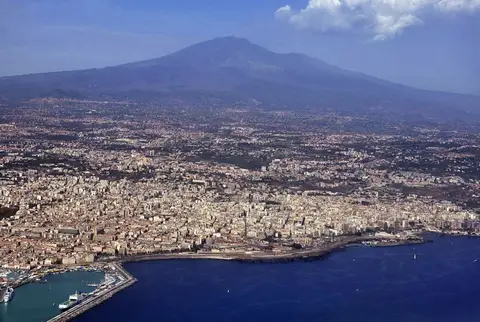
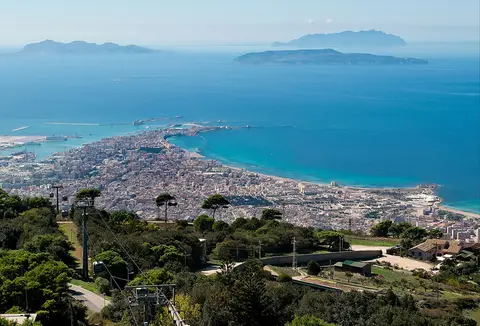
Separated from the mainland by the Strait of Messina, just three kilometers wide at its narrowest, Sicily is more varied than its reputation as a sun-scorched island suggests. In the east rises Mount Etna, at more than 3,300 meters (about 10,800 feet) Europe's highest active volcano, with vineyards and pistachio groves thriving on its slopes. The forested Madonie and Nebrodi mountains stretch along the north coast. The interior is hilly, green in spring and golden yellow with wheat fields in summer. Smaller archipelagos lie around the island: the Aeolian Islands with Stromboli and Vulcano, the Aegadian Islands off Trapani, and Lampedusa and Pantelleria far to the south.
Palermo and Catania
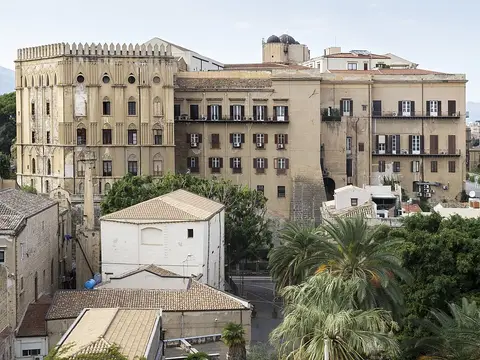
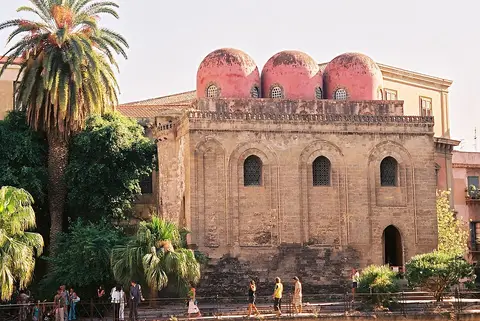
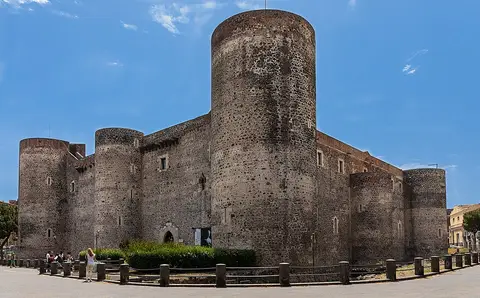
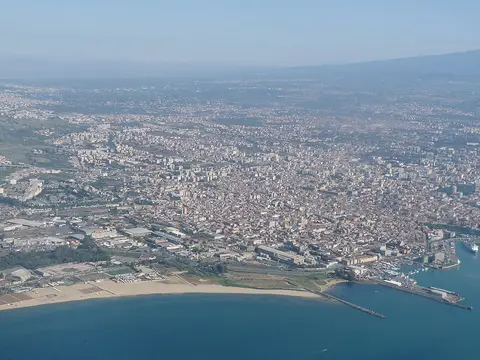
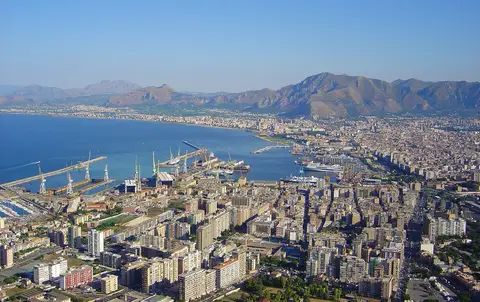
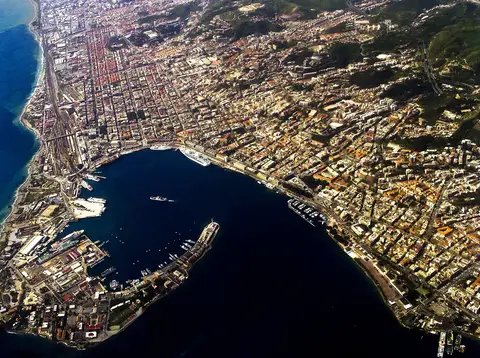
Palermo is chaotic, magnificent and utterly unique. Its Arab-Norman monuments, including the Cappella Palatina with its gold mosaics, the cathedral and the Monreale Cathedral above the city, are UNESCO World Heritage sites. At the Ballarò, Capo and Vucciria markets, vendors sell fish, vegetables and street food. The Teatro Massimo is one of the largest opera houses in Europe. Catania was rebuilt in the Baroque style from black lava stone after the earthquake of 1693; Via Etnea runs straight as an arrow toward the volcano. The fish market behind Cathedral Square is a spectacle every morning. Messina, almost completely rebuilt after the 1908 earthquake, is the ferry port to the mainland and has an astronomical clock on the cathedral's bell tower.
Sights in Sicily
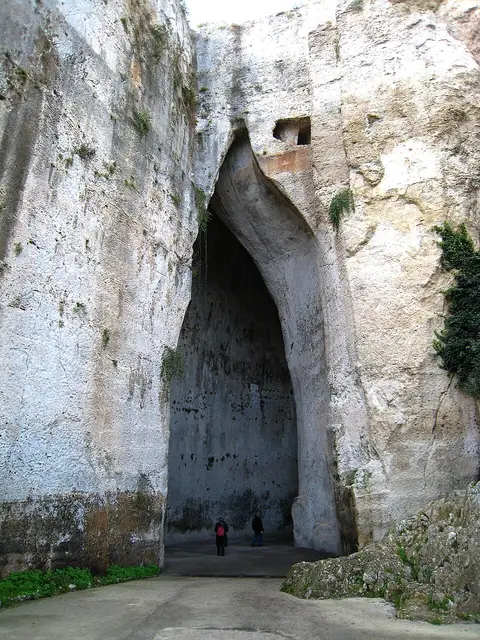
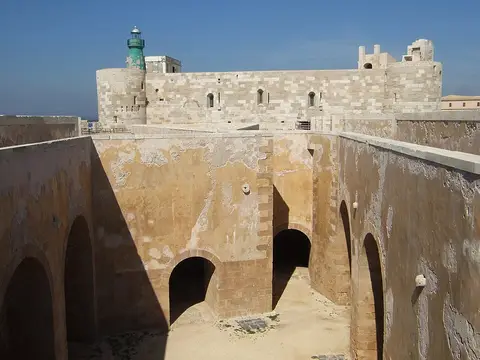
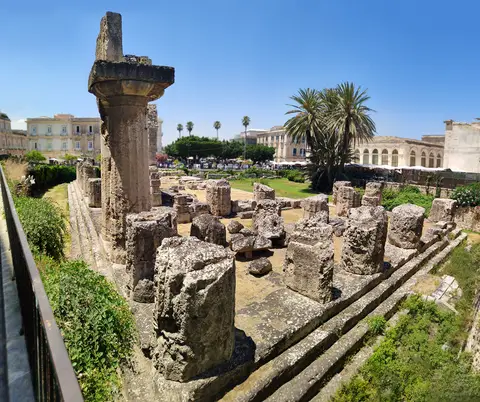
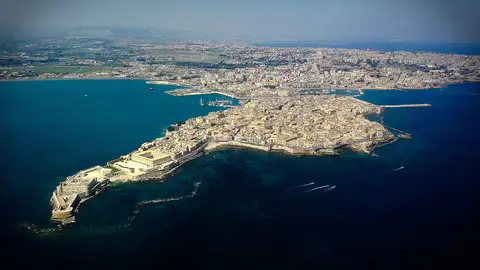
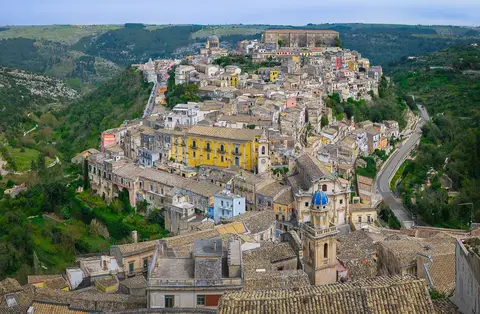
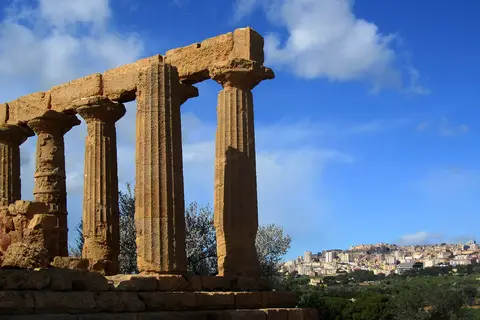
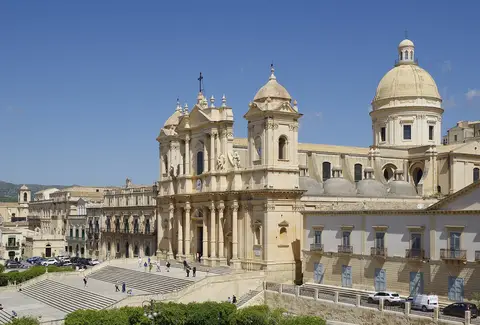
Greek antiquity is better preserved in Sicily than in many parts of Greece. In the Valley of the Temples near Agrigento, Doric temples stand in a row along a ridge, with the Temple of Concordia almost fully intact. Segesta in the west has a solitary temple and a theater overlooking the hills, while Selinunte has extensive ruins by the sea. Syracuse was once one of the most powerful cities of the Greek world; the Archaeological Park holds a large theater and the cave known as the Ear of Dionysius, while the old-town island of Ortigia enchants with a Baroque cathedral and lanes along the water. In the Val di Noto, entire towns were rebuilt after 1693: Noto with its honey-colored facades, Ragusa with its Ibla district, and Modica. The Roman Villa del Casale near Piazza Armerina is known for its mosaics, including the famous bikini girls.
Taormina and the Coasts
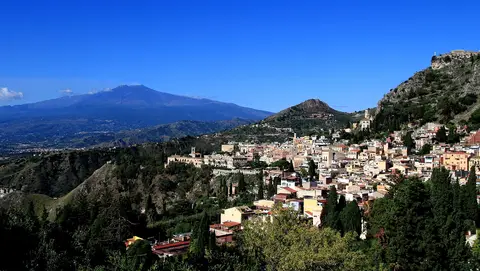
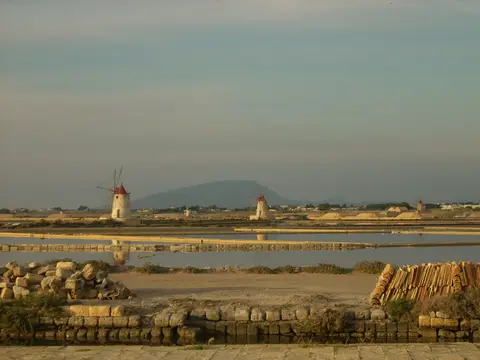
Taormina has been one of the best-known destinations in Sicily since Goethe's day. The Greek-Roman theater offers a view across the sea to Mount Etna, and the little island of Isola Bella lies below. On the west coast, you'll find the Zingaro nature reserve, San Vito Lo Capo with its sandy beach, and the salt pans of Marsala and Trapani with their windmills. Cefalù on the north coast combines a Norman cathedral with a town beach. The south around Marina di Ragusa and the Scala dei Turchi, a white marl cliff near Realmonte, is quieter.
Food and Drink
Sicilian cuisine bears Arab influences: couscous with fish in Trapani, raisins and pine nuts in pasta con le sarde, and citrus fruits and almonds everywhere. Street food such as arancine, panelle made from chickpea flour, and pani ca' meusa (spleen sandwiches) is a Palermo specialty. Pasta alla Norma with eggplant and ricotta salata comes from Catania. Sweets are a passion: cannoli, cassata, marzipan fruits, granita with brioche for breakfast, and chocolate from Modica. Pistachios from Bronte, Marsala wine and the volcanic wines from Mount Etna are in demand well beyond the island.
Getting There and Best Time to Visit
The airports in Catania and Palermo have direct flights from many European cities, as do Trapani and Comiso. Ferries connect Palermo with Naples and Genoa, and in Messina, trains cross the strait by ship. Buses between the major cities are often faster than the train, while a rental car offers the greatest freedom. The best time to visit is spring, when the island is in bloom, and fall, with warm seas into October. July and August can be very hot. At Easter, many towns hold impressive processions, and in February the almond trees near Agrigento blossom.