Discover Palermo: Markets, Mosaics, and Street Food
Travel guide · editorialGolden mosaics, Arab-style domes, and markets where vendors hawk their wares in a singsong chant: Palermo is the lively heart of Sicily. If you're planning a trip to Palermo, you'll find a city where Phoenicians, Arabs, Normans, and Spaniards have all left their mark – and where the food on the street is outstanding.
A City of Many Rulers
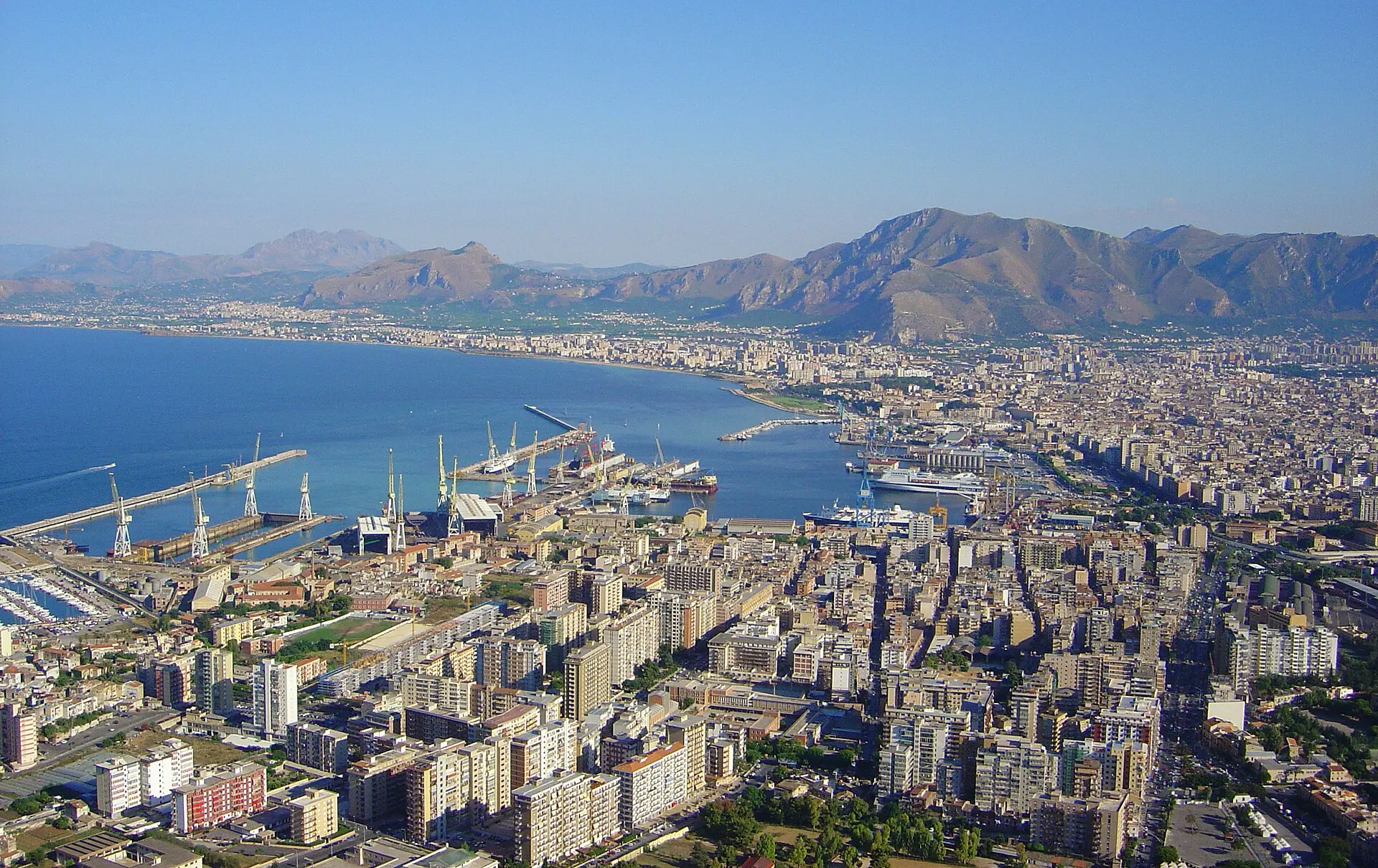
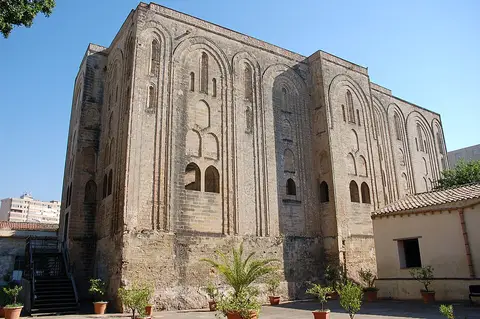
The Phoenicians founded Ziz in the 8th century B.C. on a sheltered natural harbor. Under Arab rule from the 9th century on, Balarm grew into one of the largest cities in the Mediterranean. The Normans took over in the 11th century and fused Byzantine, Islamic, and Latin art into a style all its own; under the Hohenstaufen emperor Frederick II, Palermo was a center of learning. Since 2015, nine Arab-Norman buildings in Palermo, Cefalù, and Monreale have been part of the UNESCO World Heritage list.
Sights in Palermo
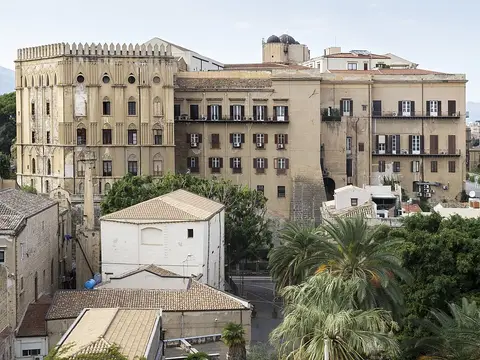
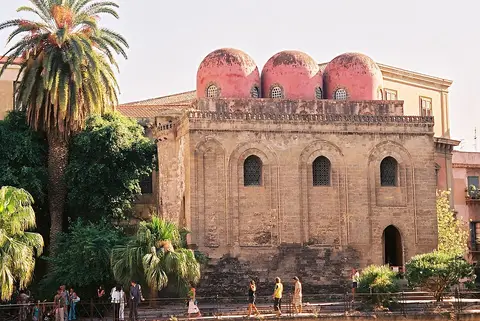
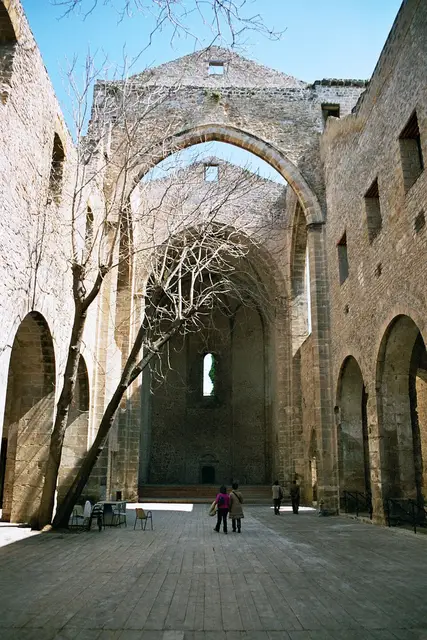
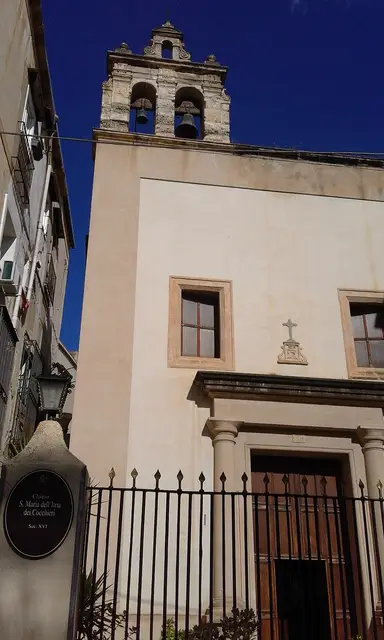
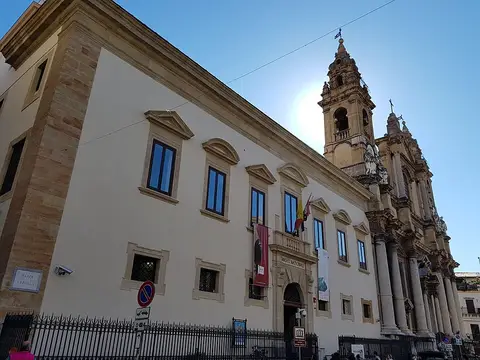
The Norman Palace, seat of the Sicilian regional parliament, houses the Cappella Palatina, whose gold mosaics and Arab wooden ceiling rank among the great works of art in Europe. The cathedral combines styles from eight centuries and holds the tombs of Frederick II and his forebears. At the Quattro Canti intersection, the two main axes of the old town meet, and right next door the fountain on Piazza Pretoria, with its nude figures, has always given people something to talk about. Red domes crown San Giovanni degli Eremiti and San Cataldo, while the Martorana displays Byzantine mosaics. The Teatro Massimo is one of the largest opera houses in Europe, famous from the finale of "The Godfather Part III." Macabre but impressive are the Capuchin Catacombs with their mummified dead.
Markets and Food in Palermo
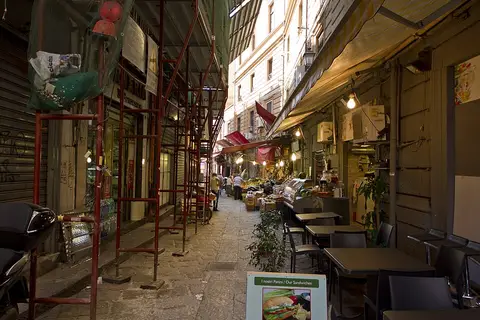
Palermo's markets are stages for everyday life. At Ballarò in the Albergheria district, at the Capo, and at the Vucciria, swordfish, eggplants, lemons, and capers are piled high. Palermo is considered one of Europe's street food capitals: arancine (feminine in Palermo), panelle made from chickpea flour, crocchè, sfincione, and, for the brave, pani ca' meusa, a bun filled with spleen. Pasta con le sarde combines sardines, wild fennel, and raisins, while caponata brings the sweet-and-sour of Arab cuisine. To finish, there are cannoli, cassata, or, in summer, granita with brioche.
Neighborhoods and Nightlife
The first city district comprises the four historic mandamenti of the old town: Kalsa, Albergheria, Seralcadio, and La Loggia. The Kalsa by the sea, once the center of Arab power, has been transformed with galleries and bars, and the Foro Italico waterfront promenade invites an evening stroll. In the evening, people gather around Via Maqueda, a pedestrian zone, and Piazza Olivella. In summer, the city heads to the beach at Mondello, with its Art Nouveau villas at the foot of Monte Pellegrino. The highlight of the festival calendar comes in July with the festival of the city's patron saint, Santa Rosalia, featuring a procession and fireworks.
Getting Around Palermo
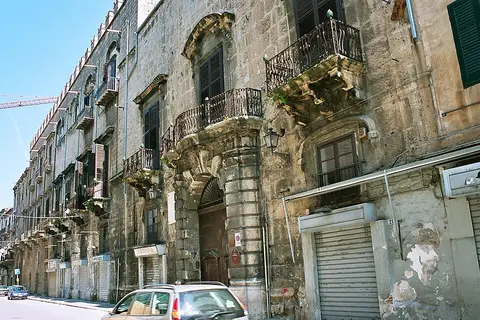
The airport is about 22 miles (35 km) to the west at Punta Raisi; trains and buses run into the center. The old town is easy to explore on foot, and for longer distances there are buses, tram lines to the outer districts, and a suburban rail line. Driving into the old town is not a good idea because of narrow alleys and traffic restrictions. Ferries leave from the port for Naples, Genoa, and the Aeolian Islands, as well as Ustica.
Best Time to Visit and Day Trips
Spring and fall are ideal, when it is warm but not hot; in July and August, temperatures often climb above 95°F (35°C). Winter is mild and well suited to a culture-focused trip, since the chapels and palaces are pleasantly empty and the markets are full of citrus fruit and artichokes. A must-do excursion is Monreale Cathedral with its enormous gold mosaics. Also worthwhile are Cefalù, the Zingaro Nature Reserve, and the Temple of Segesta. You can reach Cefalù by regional train in about an hour; the old town at the foot of a rock has a Norman cathedral with a huge Christ Pantocrator mosaic and a long sandy beach. Farther west lie the salt pans of Trapani, the hilltop town of Erice, and the Egadi Islands. For a Palermo vacation combining beach, art, and nature, a single base in the old town is all you need.