About Ara di Ierone
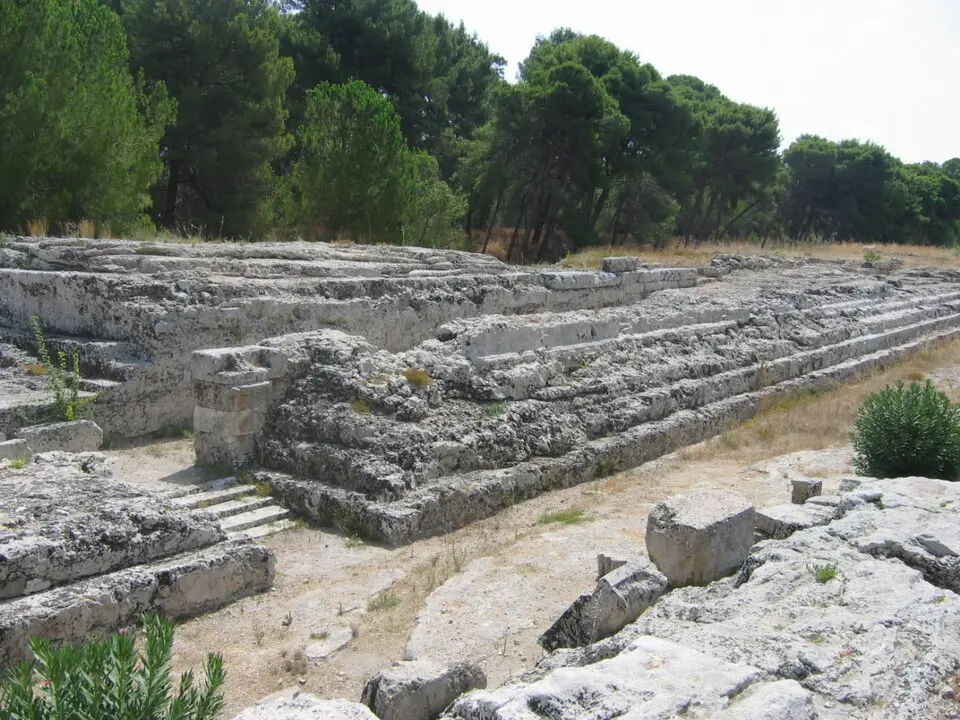
In the ancient city of Neapolis in Syracuse stands the Ara di Ierone, also known as the Great Altar of Syracuse. This monumental structure from the Hellenistic period was built under King Hieron II and is considered the largest altar to have survived from antiquity. Today only the foundations are visible, because over the centuries the structure was dismantled for building material for other constructions, most recently for the Spanish fortifications of Ortygia in the early fifteenth century. The altar is made of masonry blocks and carved directly out of the living rock, and its surface was once smoothed with plaster and finished with fine decorative details.
The altar's architecture follows the pattern of smaller fire altars that were common in Sicily as votive offerings. It measures exactly one Doric stadion in length and rests on a three-step base. The upper surface was divided into two levels of different heights, with the eastern half rising noticeably higher than the western half. Both levels were surrounded by a Doric triglyph frieze and a projecting cornice slab. Stairs at the eastern ends led up to the lower level, though how the upper level was reached remains unclear. Archaeological finds suggest that the animal sacrifice was not carried out directly on the altar but in the adjoining courtyard, after which the portions for the gods were carried up.
The altar was part of a larger sacred complex that included a natural grotto with ancient votive offerings, an open square with a waterproof basin, and a U-shaped colonnaded hall. In the Augustan period, this area was transformed into a sacred grove. The exact dedication is disputed among scholars; while some researchers believe it was dedicated to Zeus Eleutherius to celebrate the expulsion of the tyrants, others argue for a consecration to Olympian Zeus. Regardless of the specific deity, the structure served to demonstrate the wealth and piety of Hieron II and marks the high point of a long Sicilian Greek tradition of monumental altars.
At a glance
- Category
- Sight › Historic sites
- Rating
- no reviews yet · write a review
- Address
- —
Syracuse, Italy - Phone
- —
- Website
- —
- —
- Coordinates
- 37.07437° N · 15.27725° E
- Data quality
- confidence 0.76
- Identifier
- ID 59c1cc8f-7d4…
Location & surroundings
Toggle layersRatings & comments
none yetNear Ara di Ierone
closest 5 per category · 2 kmSights
Restaurants
Museums
Hotels
More:Historic sites in Syracuse (73)All sights in Syracuse (93)
182 places within 2 km loaded.
Don't miss in Syracuse
All sights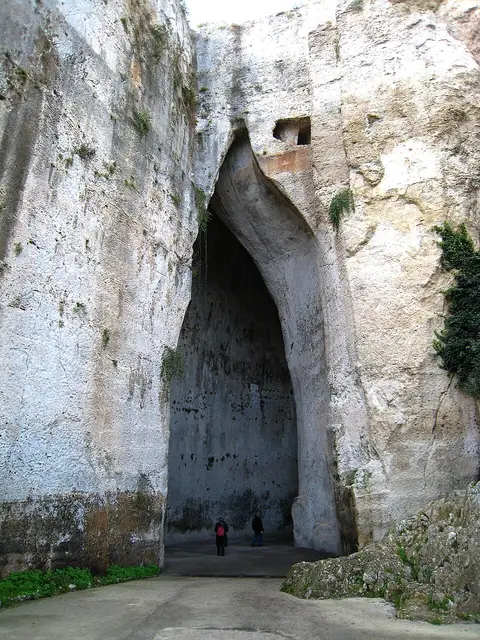 Historic sites01
Orecchio di Dionisio
Viale Giulio Emanuele Rizzo 10 · Syracuse● Website● Phone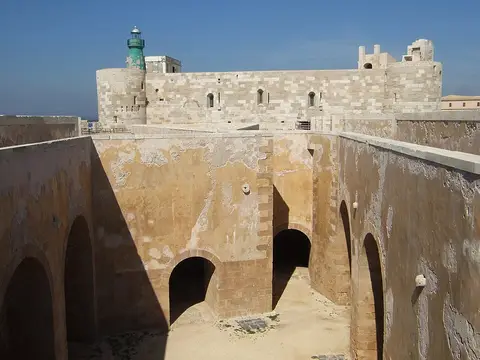 Castles02
Castello Maniace
Piazza Federico di Svevia, 5 · Syracuse○ Website● Phone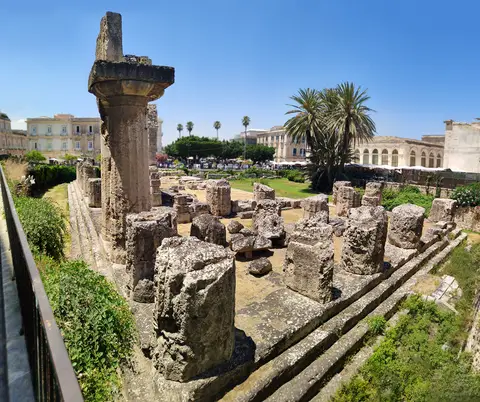 Monuments03
Temple of Apollo (Apollonion)
Via dell'Apollonion · Syracuse● Website● Phone Historic sites04
You need a free account to leave reviews and photos – that keeps comments genuine and lets you edit them later.
This massive piece of rock, 199 m long by 23 m wide, was the foundation block of an altar, the largest known from the ancient world. It was built by King Hiero II (who had Archimedes in his employ) some time before 200 BC. Nothing else remains of the temple here; classicists believe it was probably built to the glory of the deity Zeus, and definitely built to glorify Hiero himself.
Source: Wikivoyage, „Syracuse (Italy)“ · authors per page history · CC BY-SA 4.0 · as of 4/4/2018