Discovering Parma: Ham, Cheese, and Verdi
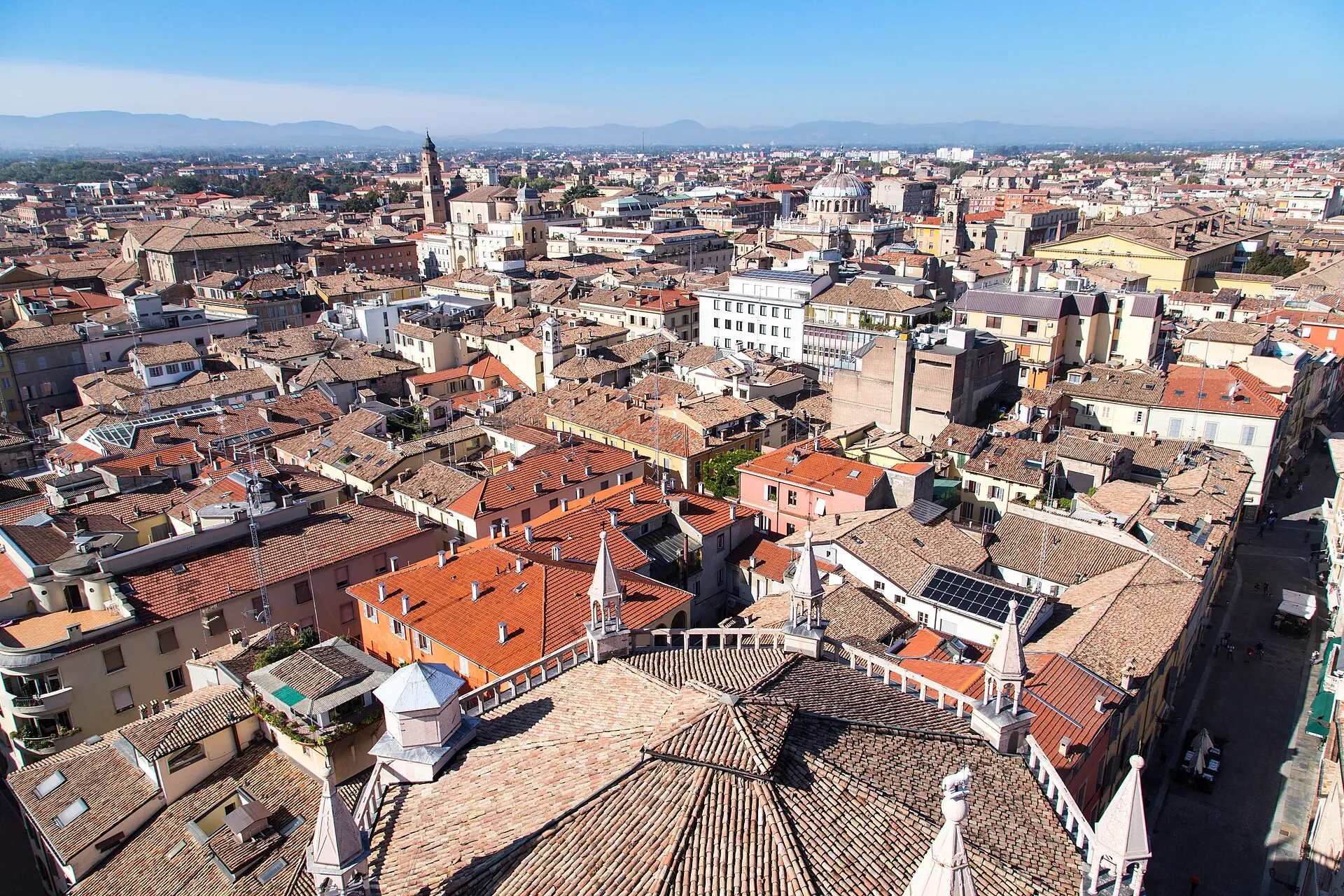
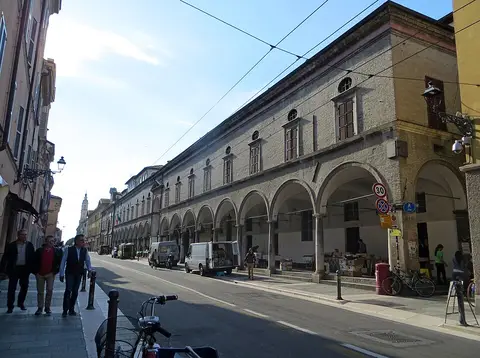
Travel guide · editorialParma is a pilgrimage site for food lovers: this is where Prosciutto di Parma and Parmigiano Reggiano are made, two products known worldwide as synonyms for Italian quality. But a city trip to Parma also offers art, music, and an elegant, relaxed old town that is best explored by bike.
Duchy of the Farnese and the Bourbons
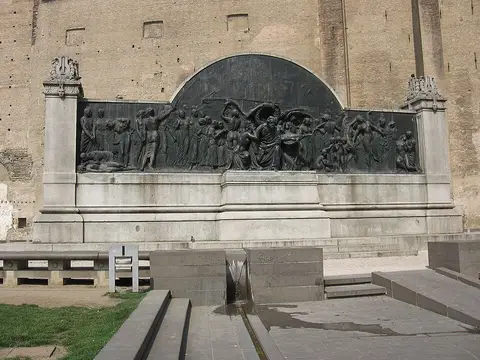
The Romans founded Parma on the Via Aemilia. In the 16th century, the city became the capital of the Duchy of the Farnese, and later of the Bourbons. After the Congress of Vienna, it was ruled by Marie Louise, Napoleon's widow, who remains popular today and left the city bridges, theaters, and the violet perfume. The Parma River divides the city into the old town, Parma Centro, and the Oltretorrente on the western bank, once the neighborhood of workers and craftsmen.
Sights in Parma
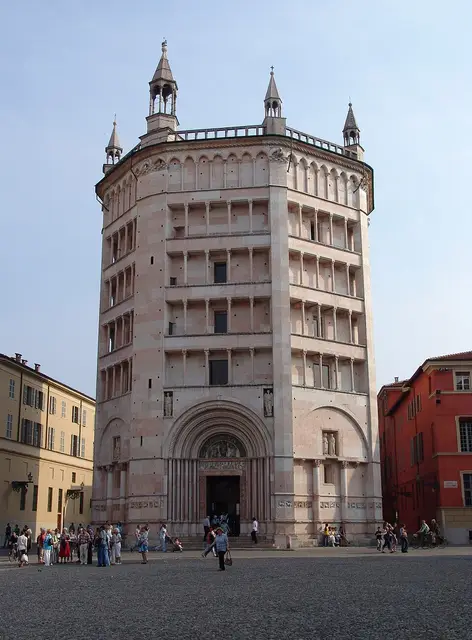
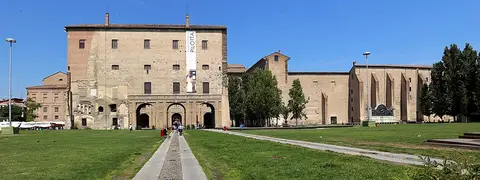
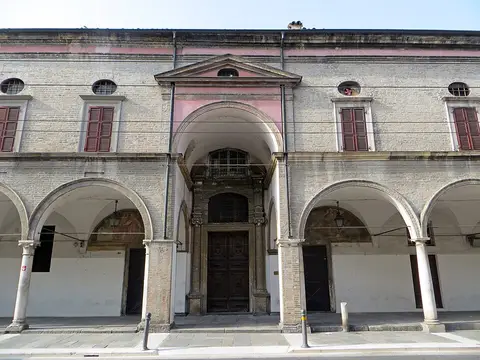
The Romanesque Cathedral impresses with Correggio's dome fresco of the Assumption of the Virgin, a masterpiece of illusionistic foreshortening. Next to it stands the octagonal Baptistery of pink Verona marble, with sculptures by Benedetto Antelami. In the church of San Giovanni Evangelista, Correggio painted another dome, and the Camera di San Paolo shows his early masterpiece. The enormous Palazzo della Pilotta houses the Galleria Nazionale, the Biblioteca Palatina, and the 17th-century wooden Teatro Farnese. Across the river lies the Parco Ducale, the dukes' park.
Verdi and Opera
Giuseppe Verdi was born in nearby Roncole, and Parma cherishes his legacy with great passion. The Teatro Regio is considered one of Italy's most demanding opera houses, and its audience is known for its harsh criticism. The Festival Verdi takes place every October. The conductor Arturo Toscanini was also born in Parma; his birthplace in the Oltretorrente is now a museum.
Eating in Parma
In 2015, UNESCO named Parma a Creative City of Gastronomy. Prosciutto di Parma is aged in the hill country near Langhirano, and Parmigiano Reggiano in cheese dairies in the surrounding area, which you can visit on guided tours. Other local specialties include Culatello di Zibello, an especially fine ham, anolini in broth, tortelli d'erbetta with ricotta and herbs, and sparkling Lambrusco. Restaurants in Parma range from simple trattorias to Michelin-starred establishments, and delicatessens around Piazza Garibaldi offer tastings.
Getting Around and Day Trips
Parma has a small airport, but most travelers arrive via Bologna or Milan, both about an hour away by train. In this flat city, many residents get around by bike, while buses and trolleybuses round out the options. Day trips lead to the castles of the duchy such as Torrechiara and Fontanellato, to the Reggia di Colorno, and to Busseto, Verdi's town. The best times to visit are spring and fall, when the festivals celebrating ham and cheese also take place, such as the ham festival in Langhirano in September. In the evening, people gather for an aperitivo at Piazza Garibaldi or in the Oltretorrente, where small wine bars and osterie fill the alleys. In winter, fog often hangs over the Po Valley, and museums and theaters are then the best choice.