
Discovering Naples: Pizza, Vesuvius, and Baroque Alleyways
Travel guide · editorialLaundry lines strung across narrow alleys, scooters weaving between market stalls, and Mount Vesuvius looming in the background: Naples is loud, lively, and full of art treasures. A trip to Naples combines ancient excavations, Baroque churches, and possibly the best pizza in the world – and a city break here is guaranteed to be anything but bland.
Greek Roots, Royal Splendor
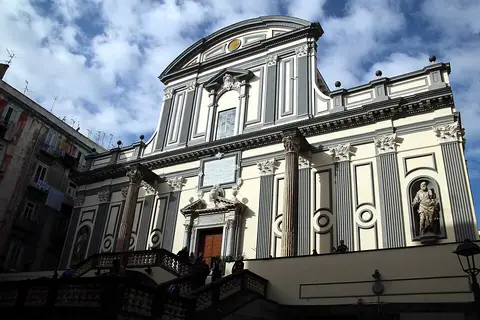
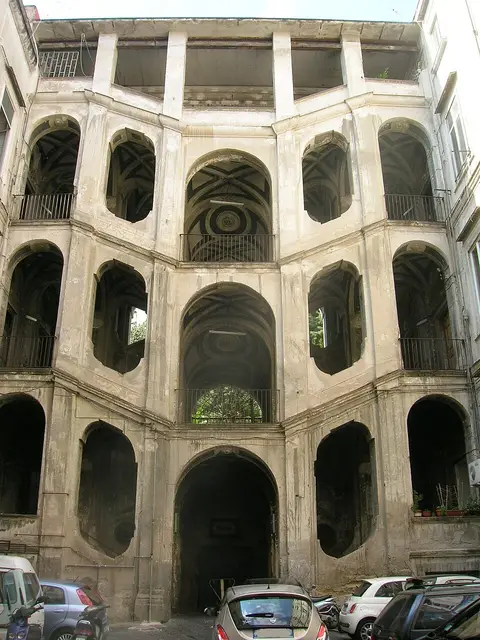
Greek settlers founded Neapolis, the "new city," in the 7th and 6th centuries B.C. The ancient street grid is still recognizable in the Centro Storico today: the three decumani, above all the dead-straight Spaccanapoli, run through the old town from east to west. Under the Normans, Hohenstaufens, Angevins, Aragonese, and Bourbons, Naples was the capital of a kingdom for centuries and at times one of the largest cities in Europe. This history explains the wealth of palaces, monasteries, and churches that make the historic center a UNESCO World Heritage Site.
Sights in Naples
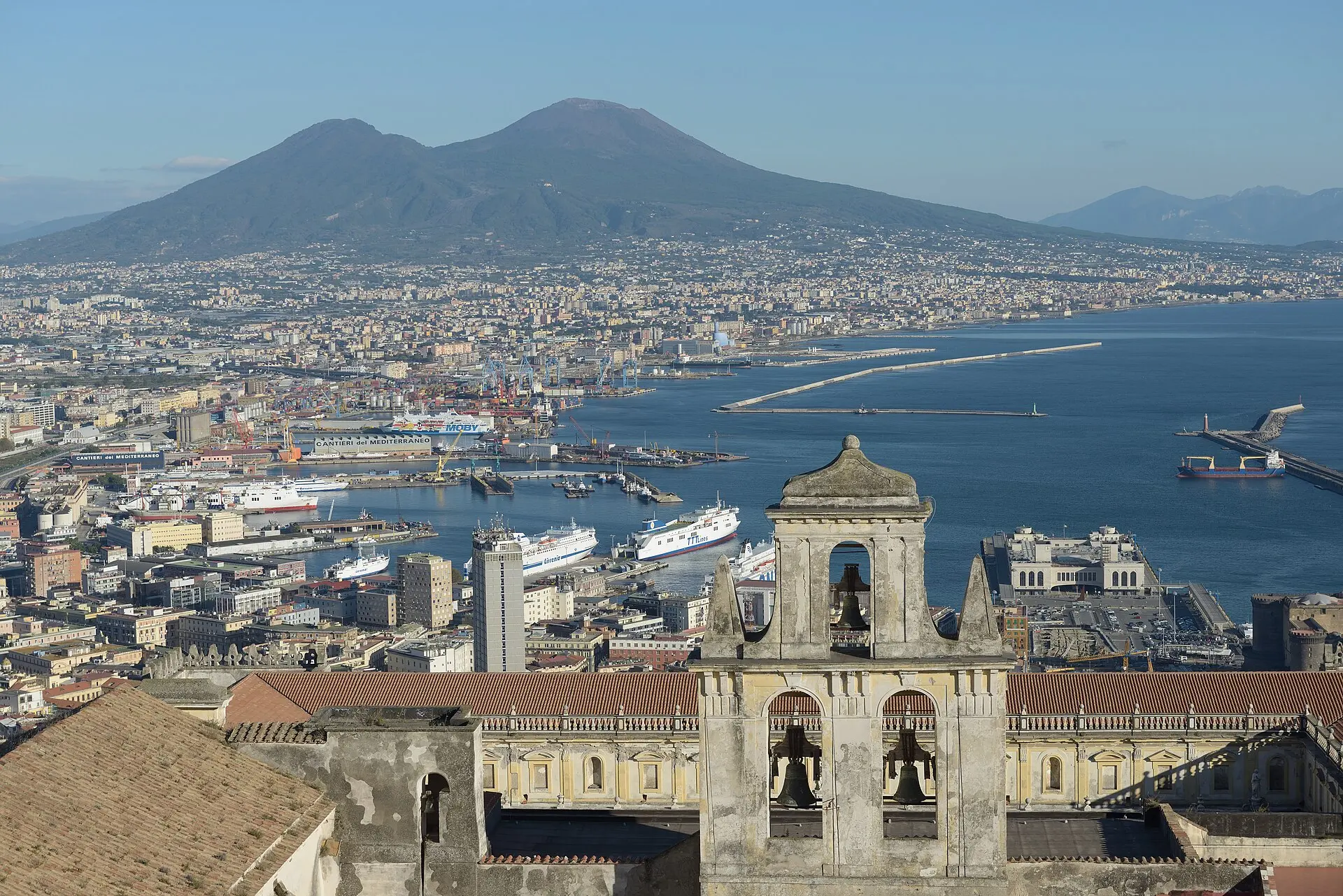
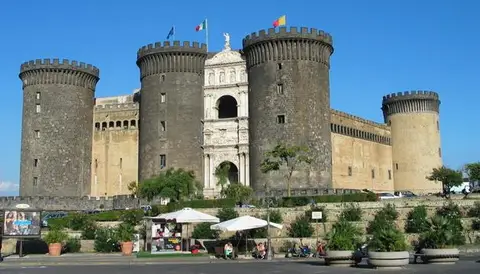
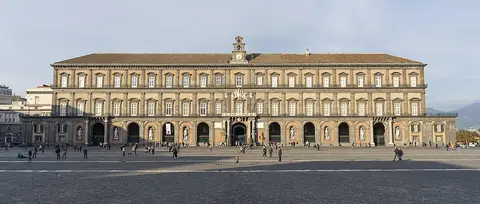
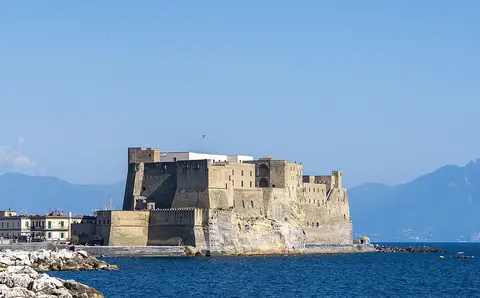
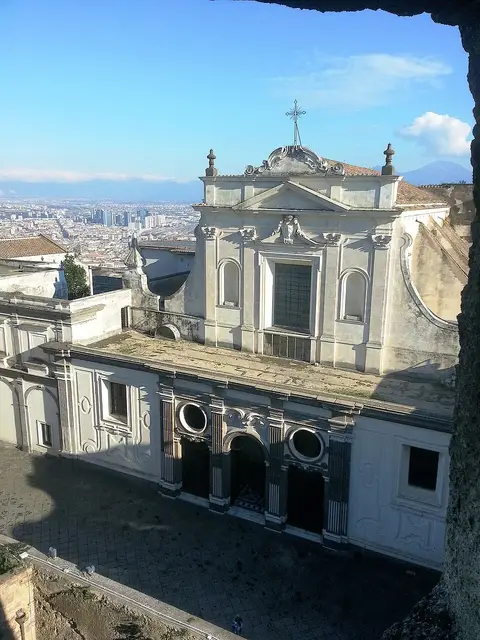
The Cappella Sansevero houses the "Veiled Christ," a marble sculpture by Giuseppe Sanmartino whose veil looks almost transparent. The cathedral preserves the blood of the city's patron saint, San Gennaro, whose liquefaction is awaited several times a year. Beneath the city, Napoli Sotterranea opens up a labyrinth of Greek cisterns and air-raid shelters. Along the waterfront you'll find Piazza del Plebiscito with the Royal Palace, the Teatro San Carlo – one of the oldest active opera houses in Europe – and the Castel dell'Ovo on its small island. High above it all, Castel Sant'Elmo sits atop the Vomero with the San Martino monastery and the finest view over the gulf.
Museums and Neighborhoods
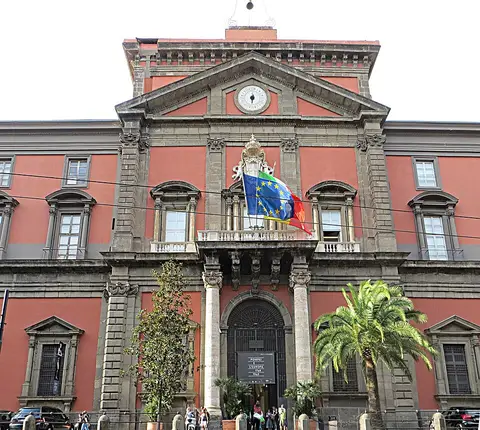
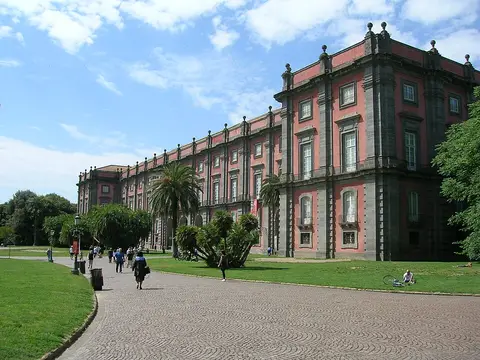
The National Archaeological Museum is among the most important in the world: mosaics, frescoes, and statues from Pompeii and Herculaneum, including the famous Alexander Mosaic. The Museo di Capodimonte, a Bourbon hunting lodge with a large park, holds works by Caravaggio, Titian, and Botticelli. Around the old town, in the first and second districts, lie the Quartieri Spagnoli, whose alleys are decorated with graffiti of soccer icon Maradona. Chiaia is elegant, with boutiques and a waterfront promenade, while the Vomero is quieter and more residential. Via San Gregorio Armeno is devoted to nativity scene art year-round, with handmade figurines ranging from saints to soccer players and politicians.
Eating in Naples
Neapolitan pizza – soft crust, briefly baked in a wood-fired oven – is part of UNESCO's Intangible Cultural Heritage as the craft of the pizzaioli. The classics are Margherita and Marinara; to eat on the go, try pizza fritta or the folded pizza a portafoglio. Add to that frittatina di pasta, ragù, pasta e patate, and fish from the gulf. Dessert means sfogliatella, rum-soaked babà, and, at Easter, pastiera. Espresso is drunk strong and sweet, and in some places the custom of "caffè sospeso," a prepaid coffee for a stranger, lives on. For markets, head to Pignasecca and the fish market at Porta Nolana.
Getting Around Naples
Capodichino Airport is only a few miles northeast of the center; the Alibus runs to Garibaldi central station and the port. Metro Line 1 is known for its "art stations," above all Toledo with its shimmering blue hall. Four funiculars connect the center with the Vomero. From Garibaldi, the Circumvesuviana departs for Herculaneum, Pompeii, and Sorrento, while ferries to Capri, Ischia, and Procida leave from the Molo Beverello port. As in any big city, you should watch out for pickpockets, especially on crowded buses and at the train station.
Best Time to Visit and Day Trips
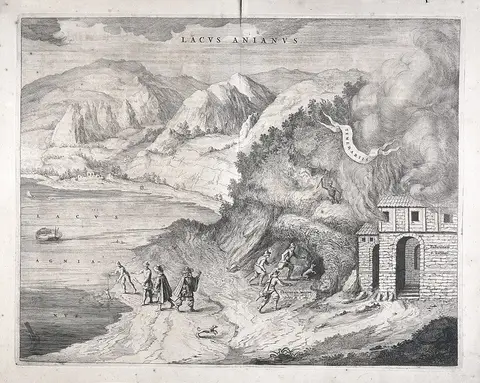
Spring and fall are ideal: pleasant temperatures, with beach weather on the coast from June. In high summer it gets hot and the day-trip destinations are crowded. A highlight is the Christmas season, when San Gregorio Armeno is thronged with nativity enthusiasts. Besides Pompeii and Herculaneum, worthwhile excursions include the climb to the crater of Vesuvius, the Phlegraean Fields near Pozzuoli, and a day on the Amalfi Coast. If you have more time, take the ferry to Procida, the smallest and most unspoiled island in the gulf, or visit the Royal Palace of Caserta with its park stretching for miles. On a Naples vacation of four to five days, you can easily combine the city with two or three excursions without changing hotels.