Campania: Naples, Mount Vesuvius and the Amalfi Coast
Travel guide · editorialA volcano, two famous gulfs and the ruins of two buried Roman cities: Campania packs into a small area what other regions spread across an entire country. A vacation in Campania is loud, delicious and steeped in history, from the alleys of Naples to the lemon terraces of the Amalfi Coast.
Landscape from Vesuvius to the Cilento
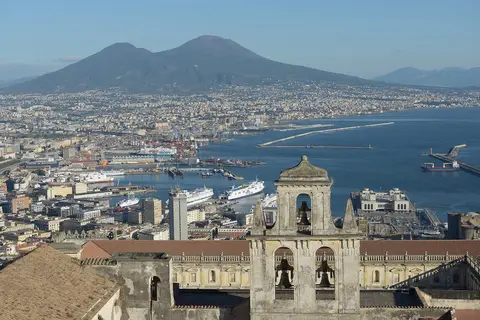
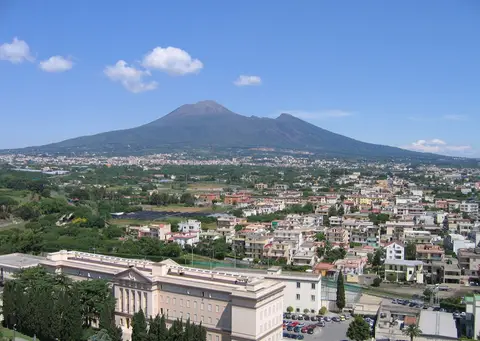
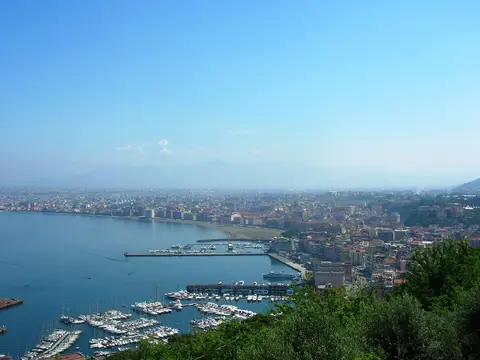
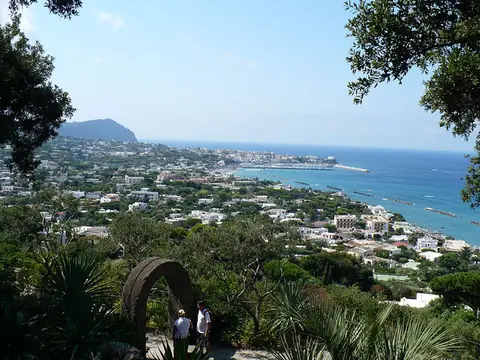
Mount Vesuvius towers over the Bay of Naples. It buried Pompeii and Herculaneum in A.D. 79 and is still considered active. West of the city, fumaroles steam in the Phlegraean Fields, and the ground noticeably rises and falls, a phenomenon known as bradyseism. The Sorrentine Peninsula separates the Bay of Naples from the Gulf of Salerno; on its southern side, the Amalfi Coast drops steeply into the sea. Inland you'll find the green hills of Irpinia and the hinterland of Caserta, and in the south the sprawling Cilento National Park with its mountains, caves and quieter beaches. Offshore lie the islands of Capri, Ischia and Procida.
Naples and the towns around the bay
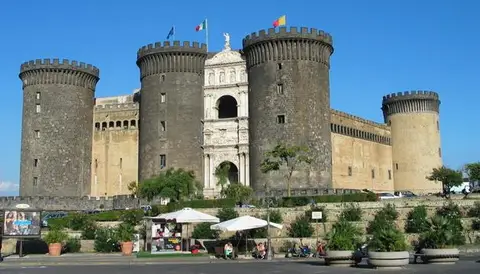
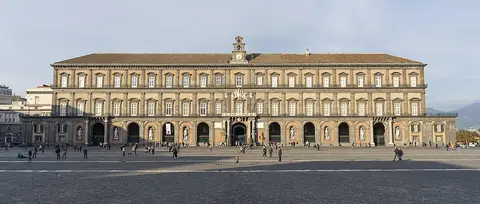
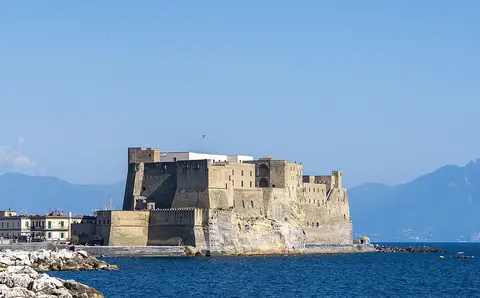
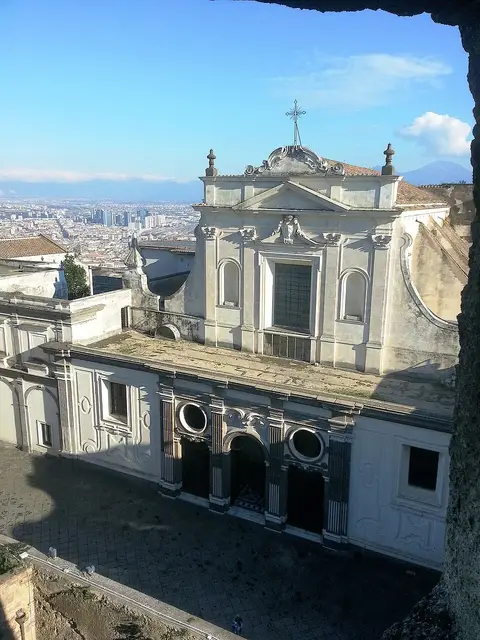
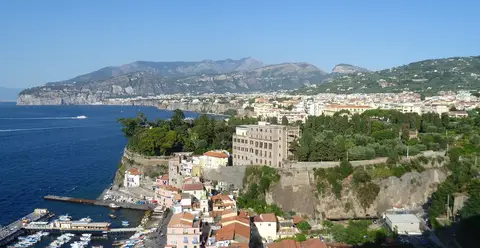
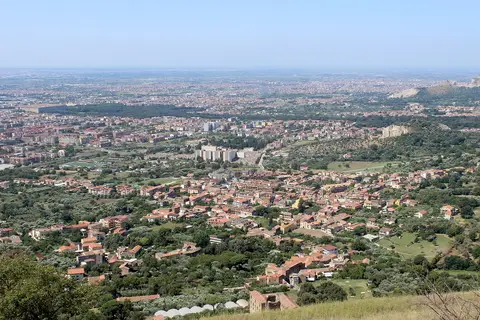
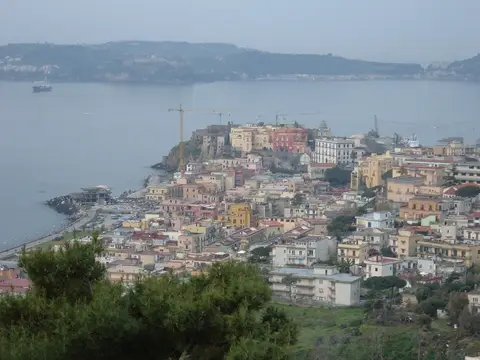
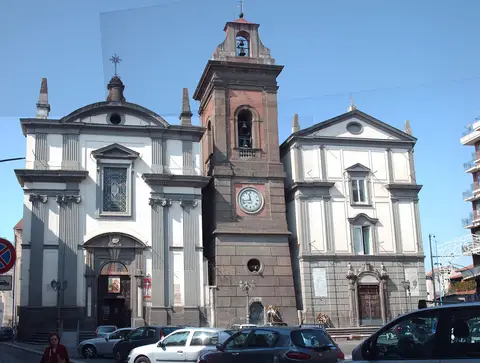
Naples is one of the oldest continuously inhabited cities in Europe, founded by the Greeks. The historic center, with Via dei Tribunali and Spaccanapoli, is a UNESCO World Heritage Site. Beneath the city stretch Greek cisterns and catacombs, and above them stand churches such as the Cappella Sansevero with its Veiled Christ. The National Archaeological Museum holds the finest finds from Pompeii. Pozzuoli has a Roman amphitheater and the Temple of Serapis, where you can read the rise and fall of the ground in the columns. Neighboring Giugliano in Campania is mainly a residential and commercial town with stretches of beach along the Litorale Domizio. At the other end of the bay, Sorrento perches on a tuff cliff, a starting point for boats to Capri and buses along the Amalfi Coast.
Sights in Campania
The excavation site of Pompeii is one of the most visited cultural monuments in the world; you'll need at least half a day to see the forum, baths, brothel and Villa of the Mysteries. Herculaneum is smaller but better preserved, with charred wooden beams and frescoes. In Caserta, the Bourbons had a palace built that was meant to surpass Versailles, with a three-kilometer-long park and cascading waterfalls. The Amalfi Coast, with Positano, Amalfi and Ravello, is among the best-known destinations in Campania; the Path of the Gods hiking trail offers the finest views of it. At Capaccio Paestum stand three Doric temples that are better preserved than many in Greece. On Capri, the Blue Grotto and the Faraglioni rock formations are the draw; on Ischia, thermal gardens.
Salerno and the south
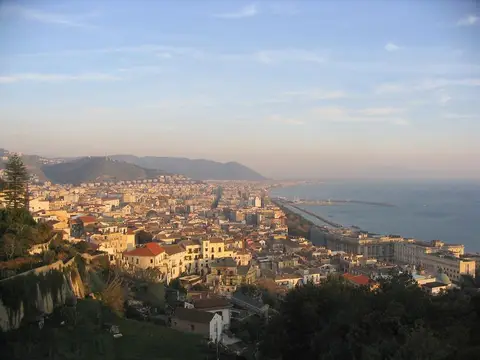
Salerno is more relaxed than Naples, with a long waterfront promenade, a Norman cathedral and the medieval medical school, considered one of the first in Europe. Ferries leave from here for Amalfi and Positano, bypassing the often clogged coastal road. To the south begins the Cilento, where places such as Palinuro, Marina di Camerota and Acciaroli offer quieter beach vacations. The Certosa di Padula in the Vallo di Diano is one of the largest monastery complexes in Europe.
Food and drink
Naples is considered the birthplace of pizza; the art of the Neapolitan pizzaiolo is part of UNESCO's intangible cultural heritage. The classics are Margherita and Marinara, baked in wood-fired ovens at pizzerias such as those on Via dei Tribunali. Also on the menu are spaghetti alle vongole, Neapolitan ragù and fried pizza (pizza fritta). Mozzarella di bufala comes from the hinterland of Caserta and the Cilento, and limoncello from the slopes of the Amalfi Coast. For dessert there's sfogliatella, babà and, at Easter, pastiera. Wines worth mentioning include Greco di Tufo, Fiano di Avellino and the red Taurasi.
Getting around and best time to visit
Naples-Capodichino Airport is close to the center, and high-speed trains reach Rome in about 70 minutes. The Circumvesuviana railway connects Naples with Herculaneum, Pompeii and Sorrento, and fast boats run from Molo Beverello to the islands. On the Amalfi Coast, buses and ferries are preferable to driving your own car. The best times to visit are May, June, September and October; in August the coast and islands are crowded and hot. Naples itself is appealing in winter too, especially during nativity scene season on Via San Gregorio Armeno.