Discover Brescia: Romans, Lombards, and the Mille Miglia
Travel guide · editorialBetween Lake Garda and Lake Iseo lies a city that many travelers pass right by: Brescia has the best-preserved Roman temple complex in northern Italy, a monastery museum spanning almost three millennia of history, and a lively old town. A trip to Brescia is worthwhile for culture lovers and wine enthusiasts alike.
Roman and Lombard Roots
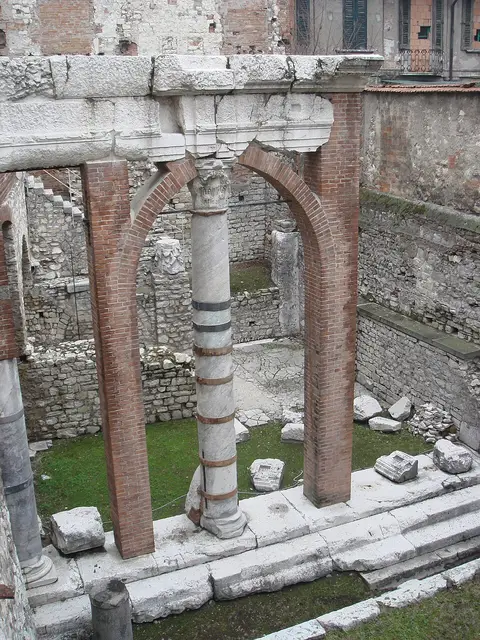
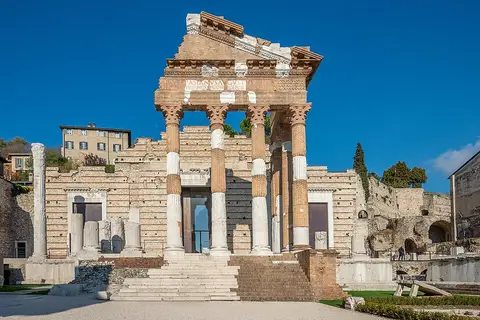
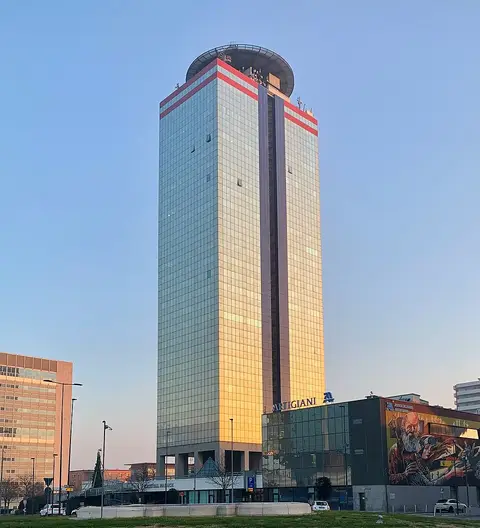
The Romans made Brixia an important city in the north of their empire. The forum with the Capitolium temple from the 1st century A.D. and the neighboring theater are impressively well preserved. Under the Lombards, Brescia was a center of power; King Desiderius founded the monastery of San Salvatore here. Later, the city belonged to Venice for centuries. The Roman and Lombard monuments are part of the UNESCO World Heritage site "The Lombards in Italy." In the 20th century, Brescia became an industrial center, known for metalworking.
Sights in Brescia
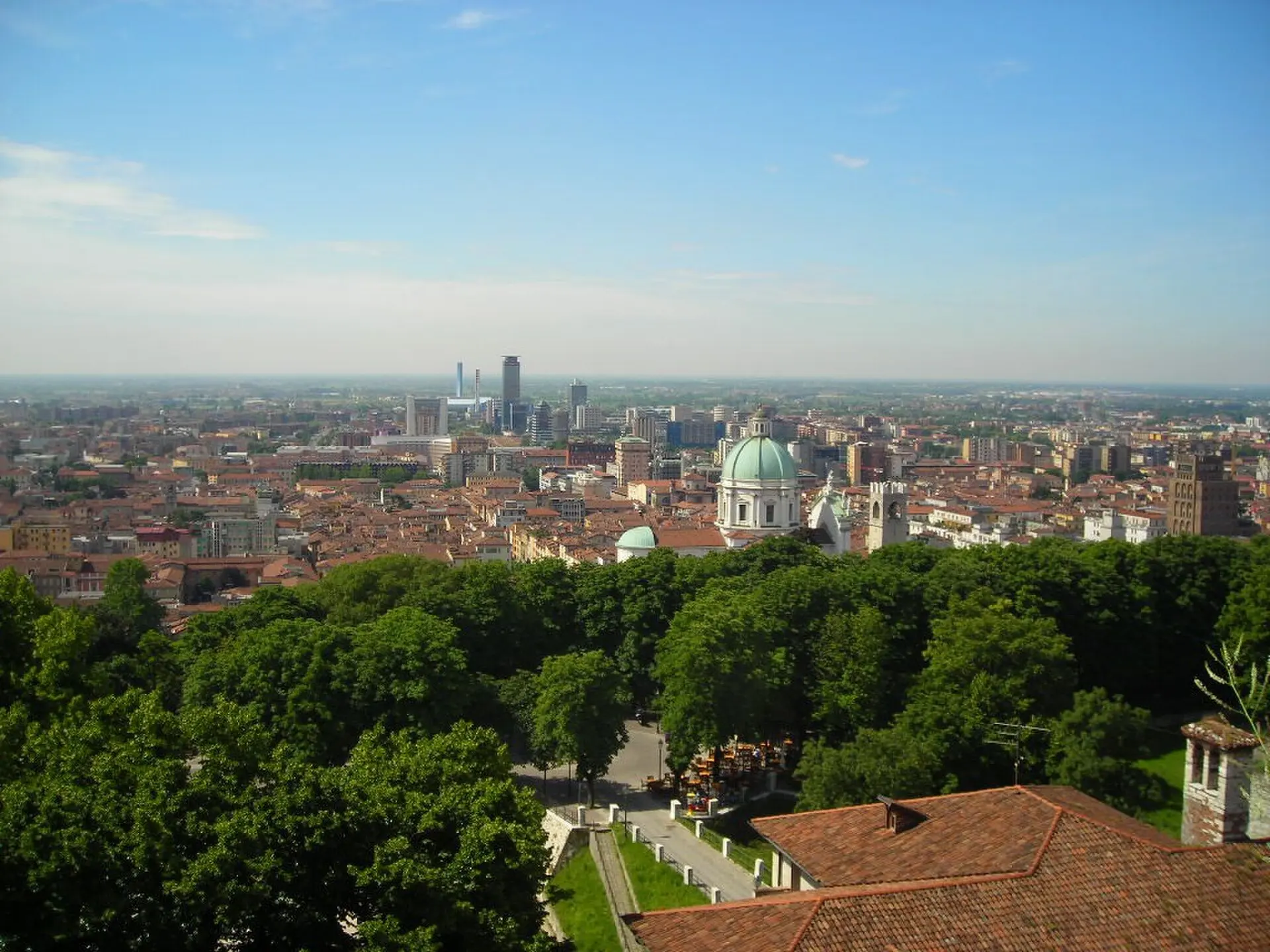
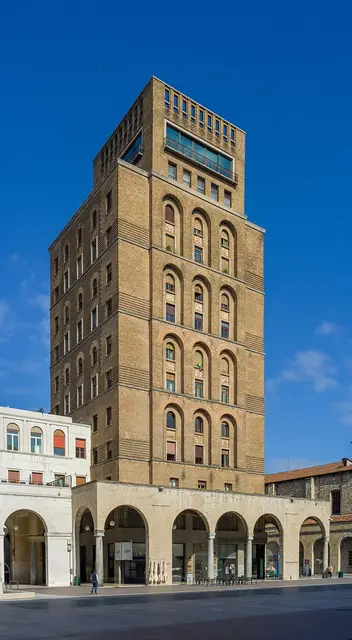
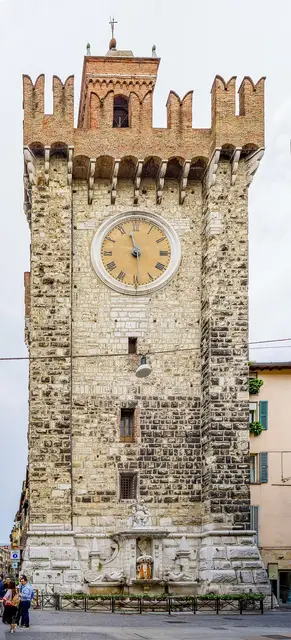
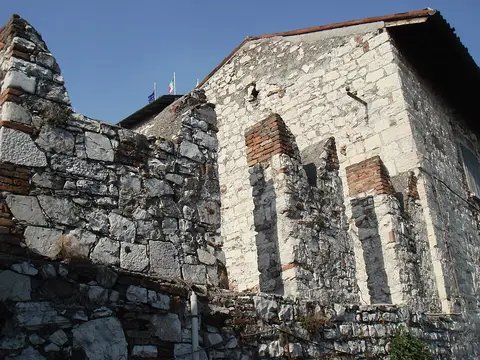
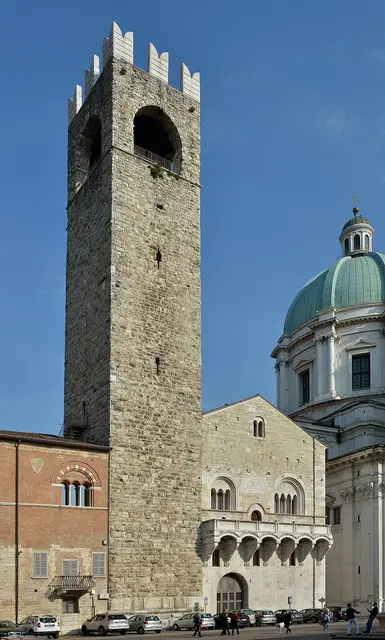
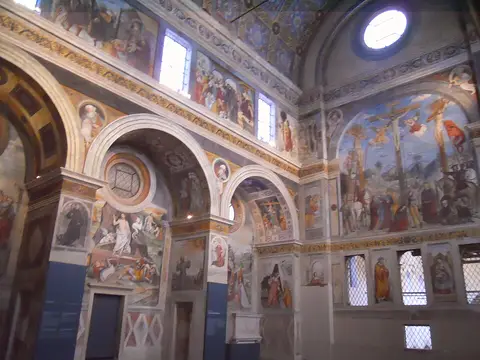
The Museo di Santa Giulia in the former monastery is the highlight: Roman villas with mosaics, the gilded bronze statue of the "Winged Victory," the Lombard Cross of Desiderius set with more than 200 gemstones, and the frescoed church of San Salvatore. At the forum, in the Parco Archeologico, you'll find the columns of the Capitolium. Brescia has two cathedrals standing side by side on Piazza Paolo VI: the round Romanesque Duomo Vecchio and the Baroque Duomo Nuovo with its large dome. Piazza della Loggia, with its Renaissance town hall and clock tower, recalls Venice, while Piazza della Vittoria evokes the architecture of the 1930s. Above the city, the castle on Cidneo Hill, one of the largest in Italy, towers over the skyline.
Mille Miglia and Culture
Since 1927, the Mille Miglia has started in Brescia. Once a legendary road race to Rome and back, it is now a rally for historic sports cars that rolls through the city every June. The Museo Mille Miglia in the former monastery of Sant'Eufemia tells its story. The Pinacoteca Tosio Martinengo displays works by Raphael, Lotto, and Moretto. In 2023, Brescia was Italy's Capital of Culture together with Bergamo.
Eating in Brescia
Typical of Brescia's restaurants are casoncelli, spiedo bresciano (a slow-roasted skewer of various meats served with polenta), and fish from the nearby lakes. The sparkling wines of Franciacorta, which rival Champagne, grow around the city, as do wines from Lake Garda such as Lugana and Chiaretto. In the evening, people gather for aperitivo in the Zona Centro, for example on Piazza Paolo VI and on Via San Faustino.
Getting Around and Best Time to Visit
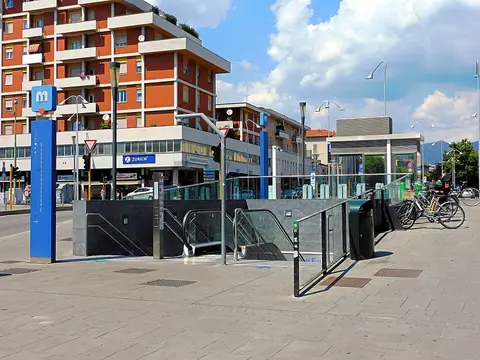
Brescia has no scheduled commercial airport of its own; Bergamo, Verona, and Milan Linate are all easy to reach. High-speed trains take travelers to Milan in about 40 minutes. The fully automated metro connects the train station with the center. Excursions lead to the vineyards of Franciacorta, to Lake Iseo with Monte Isola island, and to Lake Garda. The best time to visit is spring and fall, when the grape harvest takes place in Franciacorta and the wineries invite visitors for tastings. In summer, the castle on Cidneo offers cool gardens and views, and you can swim in the lakes. Brescia is also a good, affordable base for a vacation between the lakes, as hotel prices are significantly lower than on the shores of Lake Garda.