Lombardy: Milan, Lakes and Alpine Valleys
Travel guide · editorialBetween the glaciers of the Rhaetian Alps and the rice paddies along the Po lies Italy's most populous region. On a vacation in Lombardy, you can go from Milan's designer boutiques to the shores of Lake Como in a single day, and end the evening in an osteria in Bergamo's Upper Town.
Between the Alpine Ridge and the Po Plain
Lombardy is divided into three tiers. At the top, high-mountain valleys such as the Valtellina and Valcamonica stretch northward, with ski resorts like Bormio and Livigno as well as Stelvio National Park. Below them lie the great pre-Alpine lakes: Lake Maggiore on the border with Piedmont, the branching Lake Como, the small Lake Iseo and the western shore of Lake Garda. At the bottom spreads the flat, fertile Po Plain, crisscrossed by canals, rows of poplars and the rice fields around Pavia and Lomellina. This mix makes the region a destination that feels different in every season.
Milan and the Cities of Lombardy
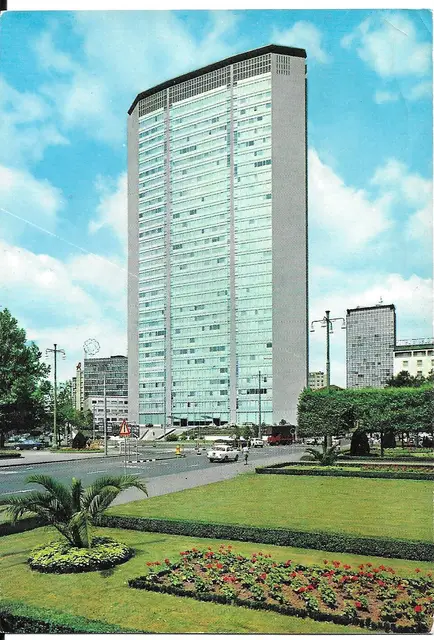
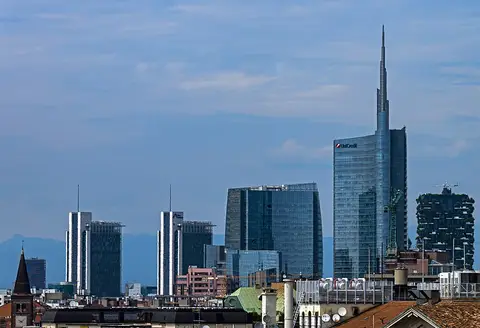
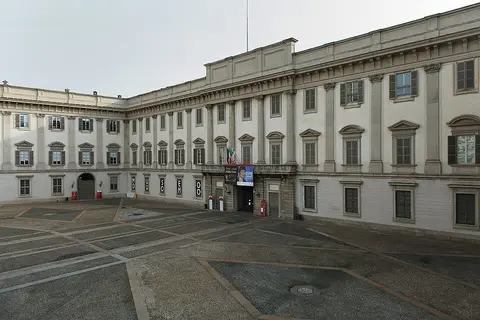
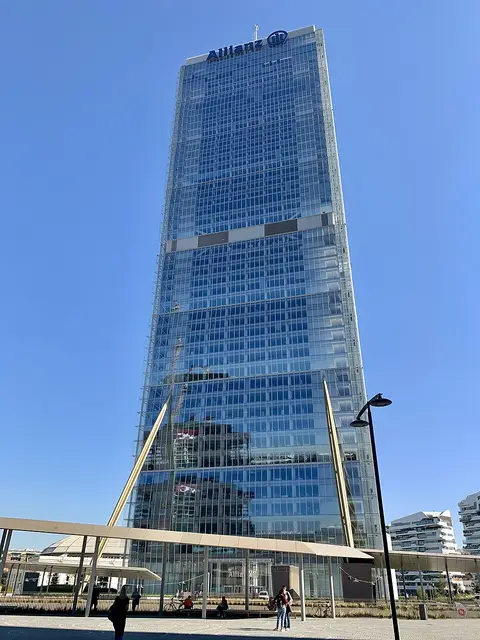
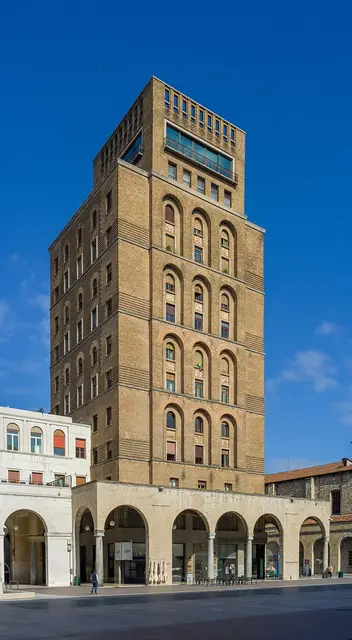
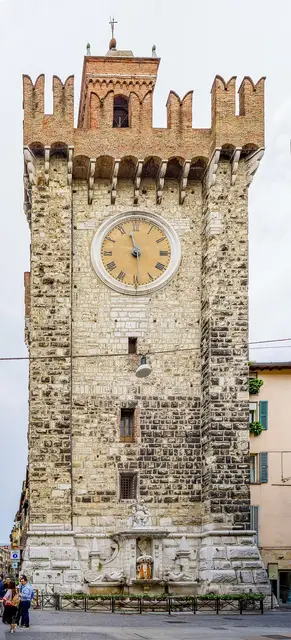
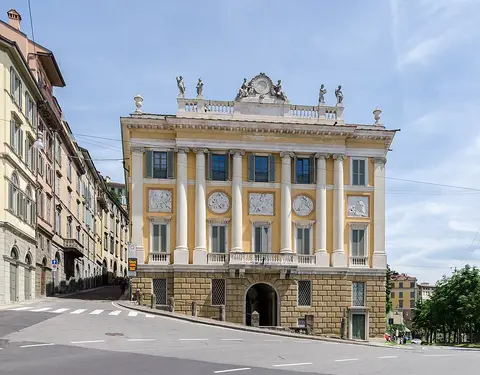
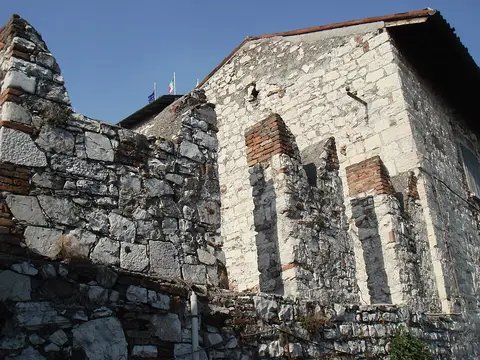
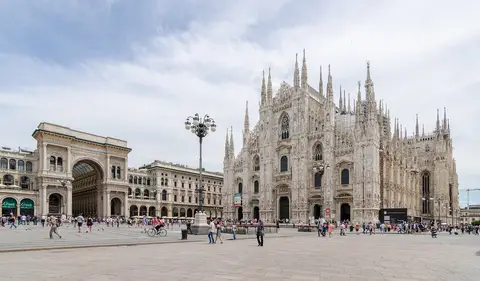
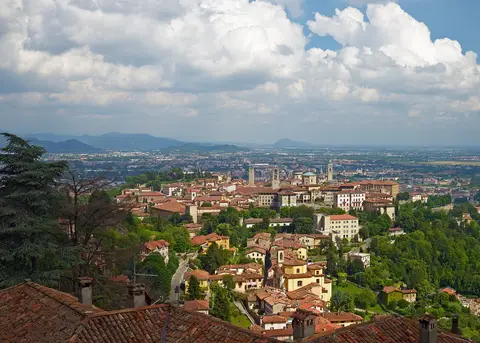
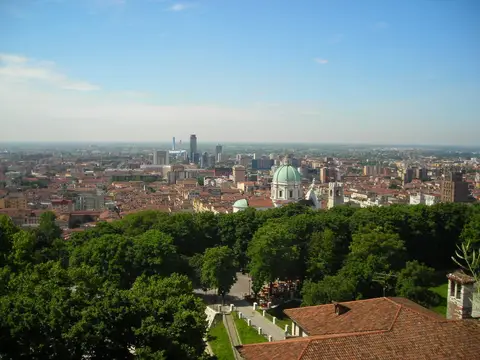
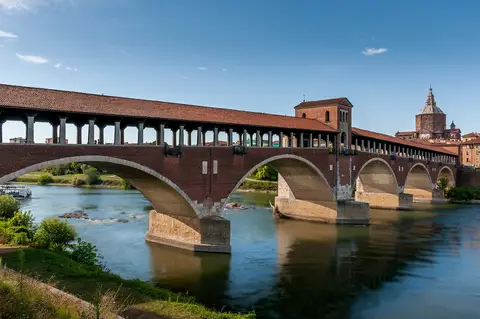
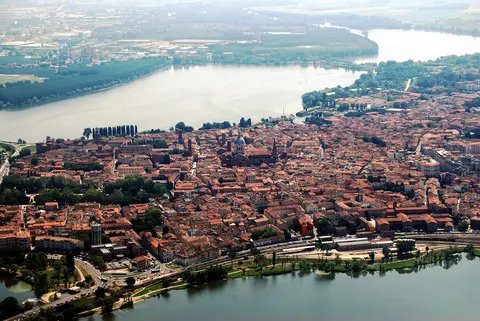
Milan is the country's economic engine and fashion capital, but also a first-rate art city. The Duomo, with its more than 3,000 statues and rooftop terraces you can walk on, the Galleria Vittorio Emanuele II, La Scala and Leonardo's Last Supper in the refectory of Santa Maria delle Grazie are among the must-sees. In the evening, people meet for aperitivo along the Navigli canals, while by day neighborhoods like Brera and the modern Porta Nuova show how the city keeps reinventing itself. Just half an hour away lies Bergamo, whose Città Alta, encircled by Venetian walls, can be reached by funicular. Brescia surprises with Roman ruins and the Lombard monastery complex of Santa Giulia, both UNESCO World Heritage sites. Monza is known for its Formula 1 circuit in a huge palace park, Pavia for its ancient university and the magnificent Certosa. Mantua, surrounded by three lakes, was the seat of the Gonzaga family; the Palazzo Ducale and the Palazzo Te with its frescoes by Giulio Romano are worth the trip on their own.
Sights in Lombardy: The Lakes
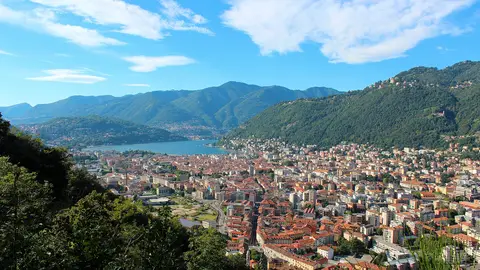
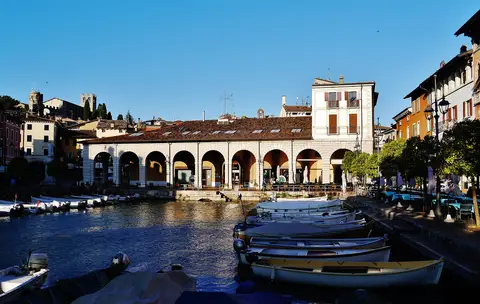
Lake Como is the best known of Lombardy's destinations. In Como, the ferry ride to Bellagio, Varenna and Tremezzo begins, passing villas such as Villa Carlotta and Villa del Balbianello. On Lake Garda, Desenzano del Garda is the liveliest town on the southern shore, just a few miles from Sirmione with its moated castle and the Grottoes of Catullus. Less crowded is Lake Iseo, with the car-free island of Monte Isola at its center, and the Franciacorta area at its southern end, where one of Italy's best sparkling wines is made. On the Lombard shore of Lake Maggiore, Luino and the monastery of Santa Caterina del Sasso, clinging to a cliff face above the water, offer quieter views.
Culture and History
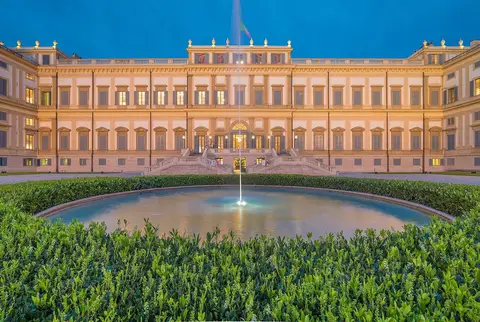
The name goes back to the Lombards, who founded their kingdom here in the 6th century, with Pavia as its capital. Later the Visconti and Sforza shaped the Duchy of Milan, followed by the Spanish and the Austrians. The rock carvings in Valcamonica, some of them several thousand years old, became Italy's first World Heritage site in 1979. Add to that the Sacri Monti of Varese and Ossuccio, as well as Leonardo's traces in Milan, such as the canal locks of the Navigli. To this day the region is a center of industry, banking and design; the Milan furniture fair in April turns the entire city into an exhibition.
Food and Drink
Lombard cuisine is shaped more by butter than by olive oil. Saffron-yellow risotto alla milanese, ossobuco and cotoletta alla milanese are Milanese classics, joined by panettone at Christmastime. In Mantua you eat tortelli di zucca, filled with pumpkin and amaretti; in the Valtellina, pizzoccheri, buckwheat pasta with cabbage and cheese, along with bresaola. Cheeses such as Gorgonzola, Taleggio and Grana Padano come from the region. To drink, there's Franciacorta sparkling wine, red wines from the Oltrepò Pavese and the Valtellina, or simply a Campari Spritz at aperitivo hour.
Getting There and Best Time to Visit
Milan is superbly connected through Malpensa and Linate airports as well as Bergamo-Orio al Serio, with direct train connections from Zurich and Munich. Within the region, regional trains run to Como, Bergamo, Brescia and Lake Garda, and boats link the lakeside towns. The best time to visit the cities and lakes is spring and early fall, when the gardens are in bloom and temperatures are pleasant. In high summer the Po Plain can become oppressively humid, and many head for the high mountains. Winter sports fans will find good conditions between December and March in Bormio, Livigno and Madesimo.