Discovering Milan: Duomo, Design, and Aperitivo
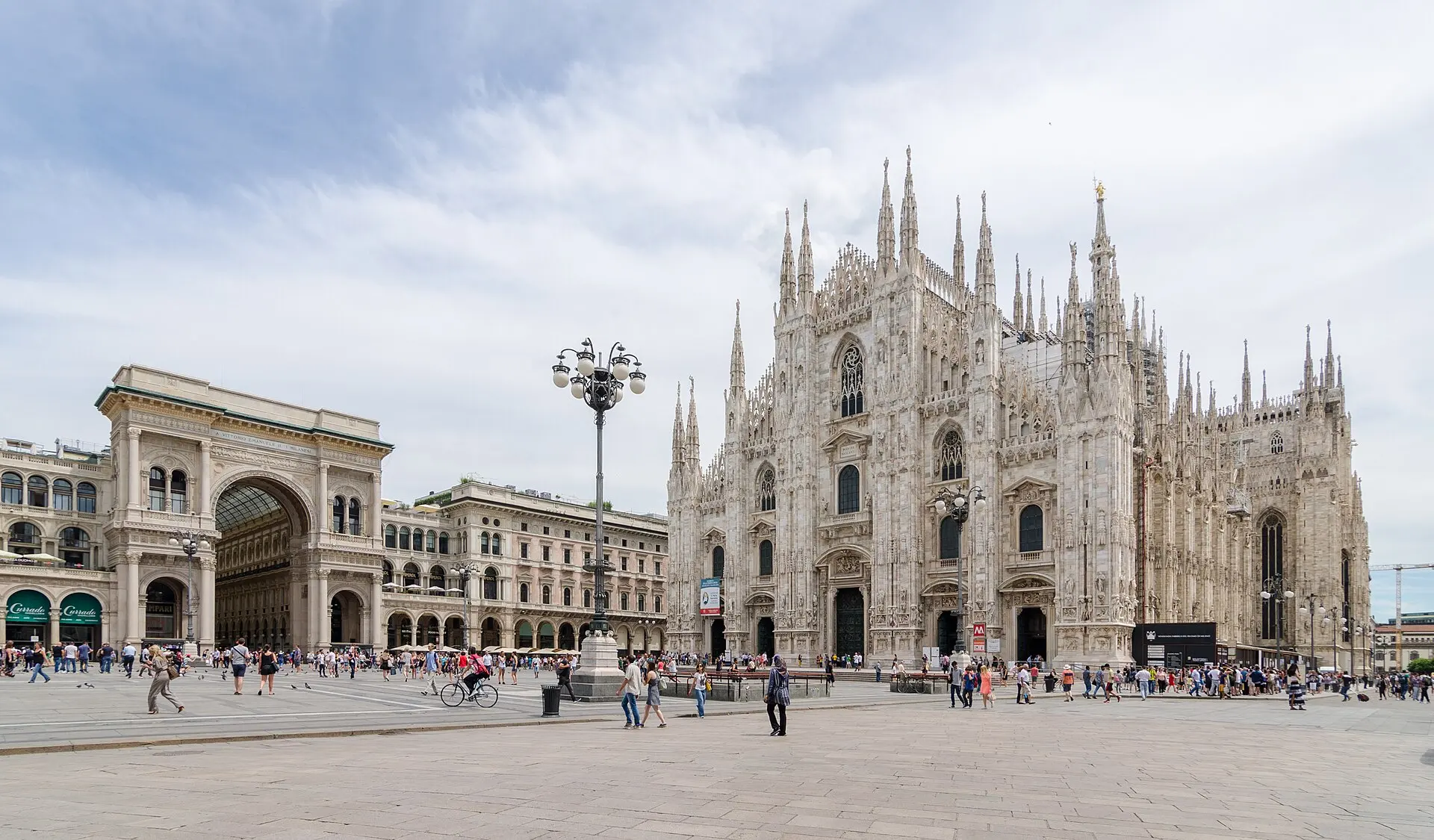
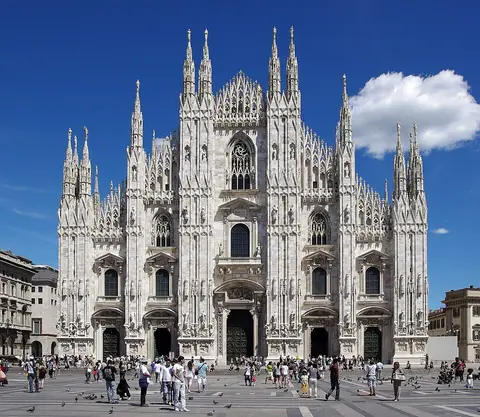
Travel guide · editorialStep out of the subway at Piazza del Duomo and you find yourself face to face with a forest of white marble, pinnacles, and more than 3,000 statues. Milan is Italy's economic engine, its fashion capital, and a stage for opera – and it makes for a more rewarding city break than its reputation as a sober business metropolis suggests. A vacation in Milan thrives on art treasures, hidden courtyards, canals, and the ritual of the aperitivo.
From Mediolanum to Metropolis
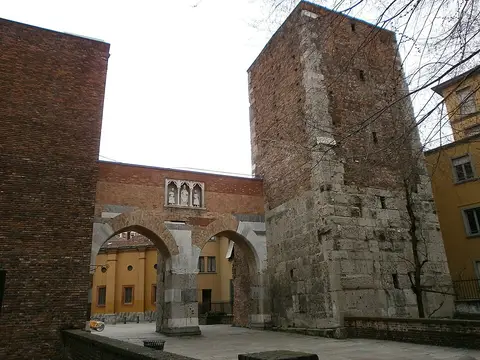
The Celts founded the settlement, and the Romans turned it into Mediolanum, at times the residence of the Western Roman Empire. Here Emperor Constantine issued the Edict of Milan in 313, and here Bishop Ambrose served; his Basilica of Sant'Ambrogio remains one of the most beautiful Romanesque churches in northern Italy. Under the Visconti and Sforza, Milan became one of the richest principalities in Europe in the late Middle Ages; Ludovico Sforza brought Leonardo da Vinci to his court. Spaniards, Austrians, and Napoleon ruled the city later, before it joined the young Kingdom of Italy in 1859. In the 20th century, Milan grew into Italy's industrial and financial capital, and after World War II into a center of design and fashion.
Milan Sights
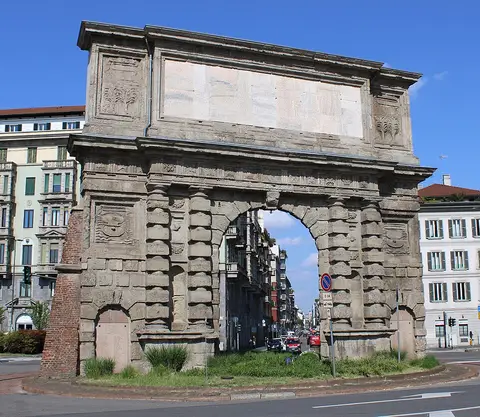
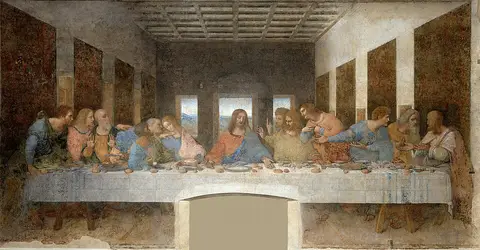
Almost every visit begins at the Duomo. Construction of the Gothic cathedral took nearly six centuries; climbing up to the rooftop terraces, on foot or by elevator, takes you among spires and all the way to the gilded Madonnina. Right next door opens the Galleria Vittorio Emanuele II, a glass-roofed 19th-century shopping arcade where tradition calls for spinning once on the mosaic bull. At the other end, La Scala awaits, one of the most famous opera houses in the world. The Castello Sforzesco, with Michelangelo's unfinished Rondanini Pietà, and the Parco Sempione behind it, with the Arco della Pace, form the green counterpart. For Leonardo's Last Supper in the refectory of Santa Maria delle Grazie, book tickets well in advance; visiting time is limited to just a few minutes.
Museums and Culture
The Pinacoteca di Brera shows masterpieces by Mantegna, Raphael, Piero della Francesca, and Caravaggio, while the Pinacoteca Ambrosiana holds Leonardo's Codex Atlanticus. The Museo del Novecento on Piazza del Duomo is devoted to 20th-century Italian art, from Futurism to Arte Povera, and offers a lovely view of the cathedral. Modern accents are provided by the Fondazione Prada in a converted distillery in the south and Hangar Bicocca with Anselm Kiefer's towers. If you're interested in design, the Triennale in Parco Sempione hosts exhibitions on architecture and design. The opera season at La Scala traditionally opens on December 7, the feast day of the city's patron saint, Ambrose.
Neighborhoods with Character
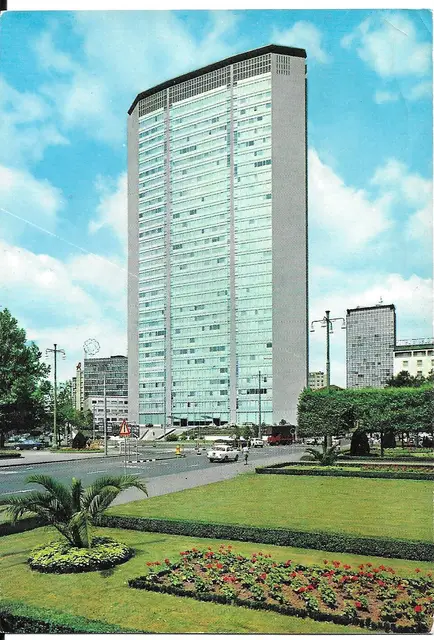
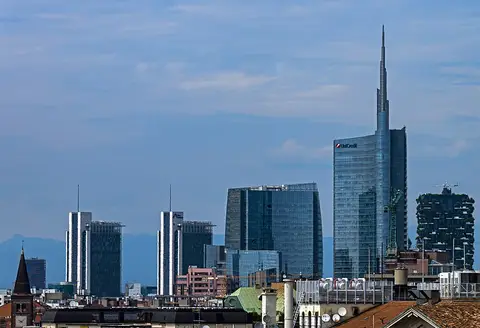
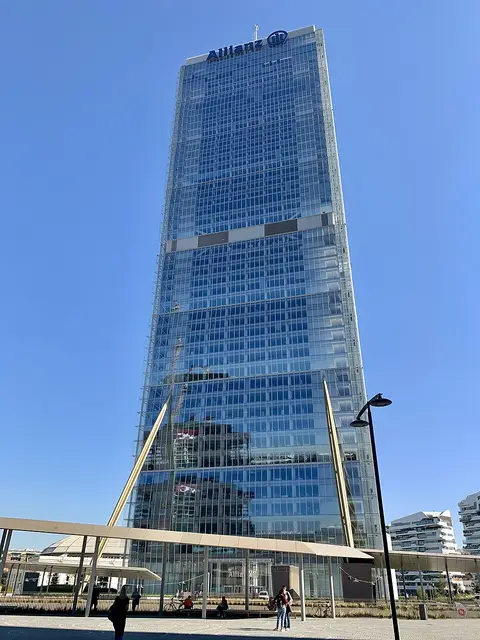
Milan is divided into nine districts, but visitors tend to get their bearings by neighborhood. Brera, with its cobblestones, galleries, and small trattorias, feels almost village-like. Around Via Montenapoleone and Via della Spiga lies the Quadrilatero della Moda, home to the flagship stores of the big fashion houses. In the southwest, the Navigli, old canals whose locks trace back to plans from Leonardo's time, shape the scene; on the last Sunday of the month, a large antiques market takes place along the Naviglio Grande. The new Milan shows itself in Porta Nuova, with the green high-rise duo Bosco Verticale and Piazza Gae Aulenti, as well as in CityLife, with towers by Zaha Hadid, Arata Isozaki, and Daniel Libeskind. Isola and NoLo are considered lively residential neighborhoods with bars and street art, and Chinatown around Via Paolo Sarpi is the address for cheap eats.
Eating in Milan: Risotto, Cotoletta, Panettone
Milanese cuisine is hearty and buttery. Saffron-yellow risotto alla milanese is often served with ossobuco, braised veal shank with gremolata. Cotoletta alla milanese, a breaded bone-in veal cutlet, has long been locked in a dispute with Wiener Schnitzel over its origins. In winter, cassoeula appears on the table, a rich stew of pork and savoy cabbage, and at Christmastime panettone, whose origins lie in Milan. Restaurants in Milan range from long-established osterie to pizzerias to Michelin-starred dining; many places cater to lunch crowds from the offices and offer inexpensive set menus. For fresh produce, the Mercato Comunale on Piazza Wagner or one of the neighborhood weekly markets is worth a visit.
Aperitivo and Nightlife
Between 6 and 9 p.m., the city belongs to the aperitivo. With a Negroni Sbagliato, said to have been invented in Milan, a Campari Spritz, or a glass of Franciacorta, bars set out nibbles, pasta, or entire buffets on the counter. Things are especially lively in the Navigli, in Brera, on Corso Como, and in Isola. Later in the evening, the action shifts to clubs and live music bars, and in summer to rooftop terraces with views over the city. Soccer fans make the pilgrimage to San Siro stadium, the shared home of AC Milan and Inter; the stadium is slated to be replaced by a new building in the coming years.
Getting Around Milan and the Best Time to Visit
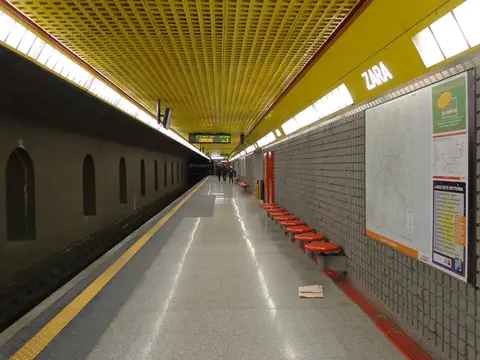
The major Malpensa airport lies about 50 kilometers (31 miles) northwest; the Malpensa Express takes roughly 40 to 50 minutes to reach Cadorna station or Stazione Centrale. Linate is much closer to the city and has been directly connected since the opening of subway line M4; Bergamo-Orio al Serio is used mainly by budget airlines. In the city, five subway lines, a dense tram network with historic cars, and buses reach almost every destination; you can pay for tickets contactless right at the turnstiles. The best times to visit are spring and early fall. Summer is muggy and many shops are closed in August, while in winter fog can blanket the Po Valley. During the furniture fair in April and the fashion weeks, hotel prices rise considerably. Good options for day trips include Lake Como, Lake Maggiore, Bergamo, and the Certosa di Pavia, all easily reached by train.