Discover Ravenna: Gold Mosaics and Dante
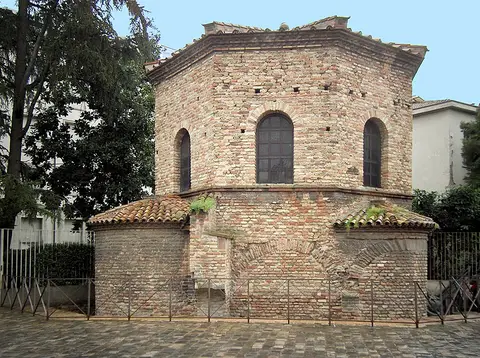
Travel guide · editorialFrom the outside, the churches look plain and built of brick, but inside they glow with gold, lapis lazuli blue, and emerald green: Ravenna has the most important early Christian and Byzantine mosaics in the Western world. A city break in Ravenna is relaxed and easy to manage, and it pairs well with a trip to the Adriatic coast.
Capital of Three Empires
In 402, Emperor Honorius moved the capital of the Western Roman Empire from Milan to Ravenna, which at the time sat on the sea, well protected by marshes. Later the Ostrogothic king Theodoric ruled from here, and the city then became the seat of the Byzantine governor in Italy. Each of these eras left behind magnificent buildings, eight of which are protected as UNESCO World Heritage sites. Because of silting, the sea now lies several miles away.
Sights in Ravenna
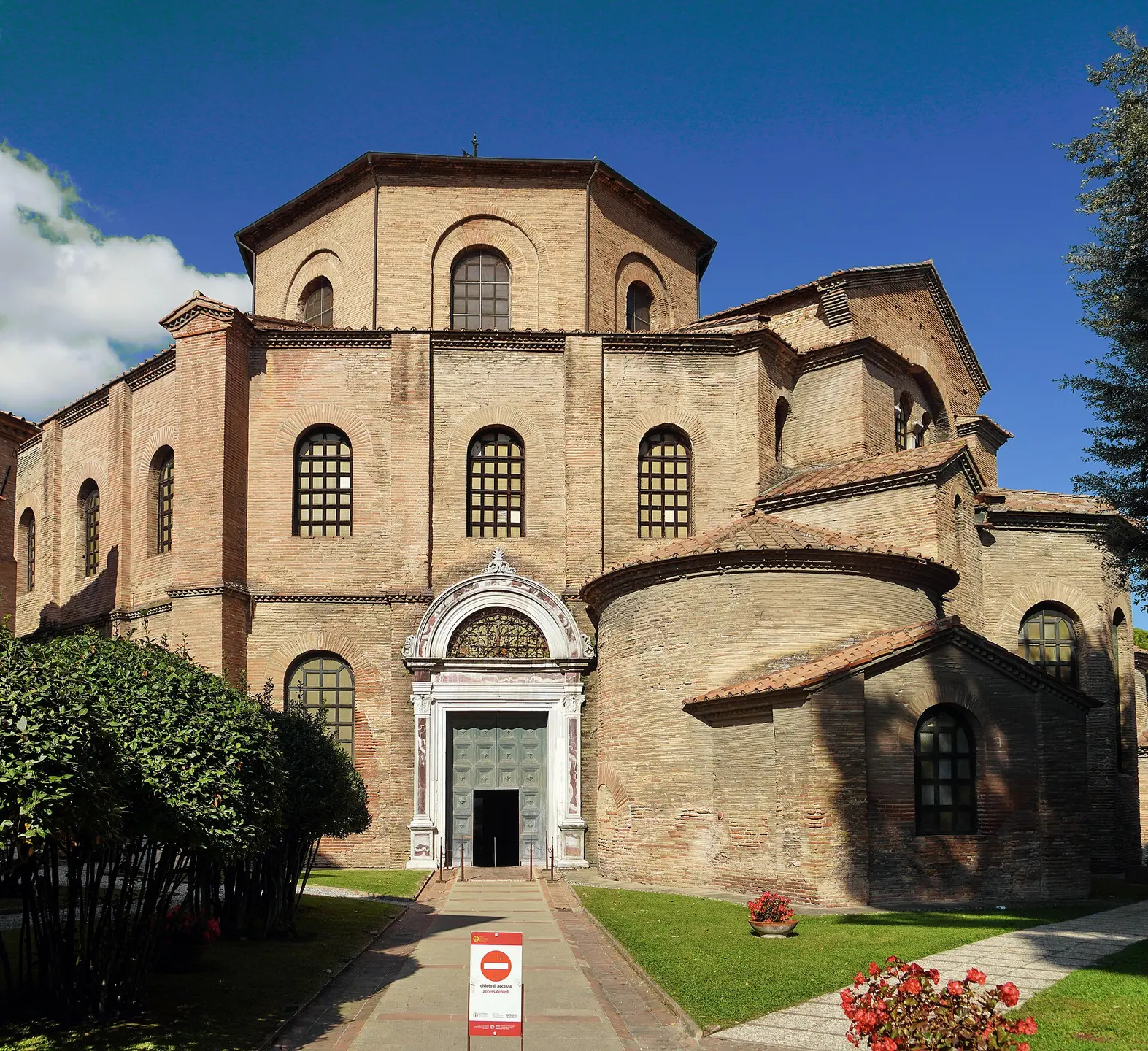
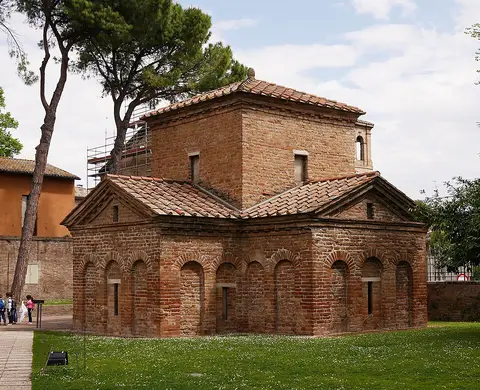
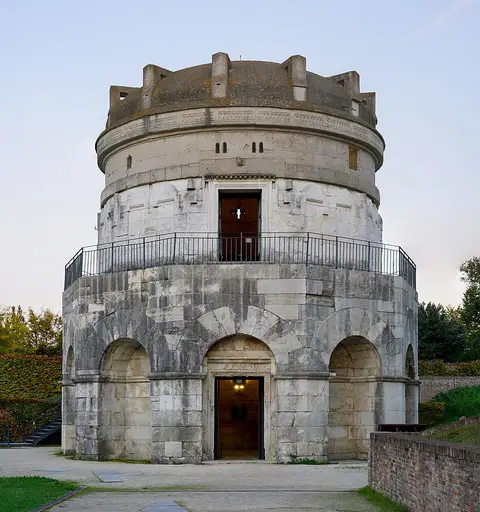
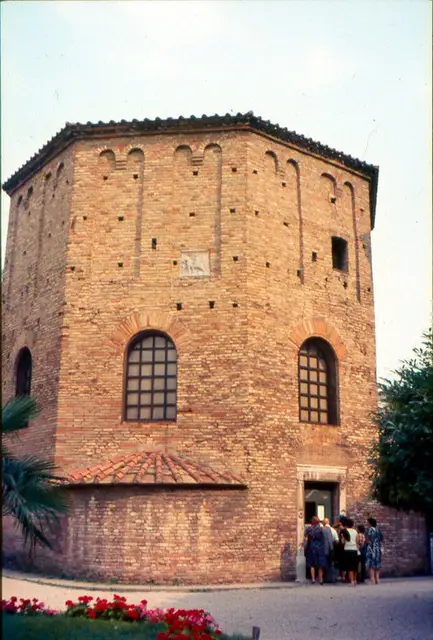
In the Basilica of San Vitale, mosaics show Emperor Justinian and Empress Theodora with their courtiers, a rare testament to Byzantine court art. Right next door is the small Mausoleum of Galla Placidia with its deep blue starry sky. Sant'Apollinare Nuovo, built by Theodoric, impresses with its processions of martyrs and virgins, as do the Arian Baptistery and the Neonian Baptistery with its mosaic of the Baptism of Christ. Outside the center stands Theodoric's tomb, topped by a single enormous limestone monolith, and a few miles to the south, in Classe, the Basilica of Sant'Apollinare, whose apse mosaic shows a green paradise garden. A combined ticket covers the main monuments.
Dante and Culture
Dante Alighieri spent the last years of his life in exile in Ravenna and died here in 1321. His tomb stands in the "Zona del Silenzio" near San Francesco; Florence has demanded the return of his remains ever since, without success, and a lamp above the grave burns with oil donated by Florence every year. Ravenna is also a city of contemporary mosaic art: workshops and the TAMO museum show both old and new work. In summer, the Ravenna Festival draws visitors with concerts in churches and theaters.
Food and Nightlife
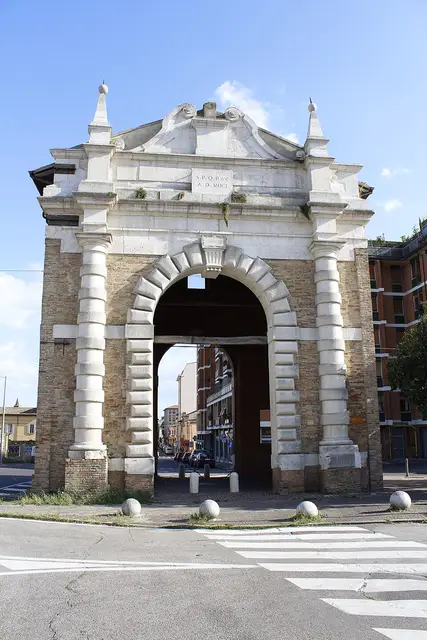
Romagna cuisine shows up in piadina, cappelletti in broth, passatelli, and strozzapreti. The lagoon supplies eel and mussels, and the vineyards produce Sangiovese and Albana. Around Piazza del Popolo, with its Venetian columns, people meet for aperitivo, and the Mercato Coperto is both a market hall and a food court. On Via Cavour and around Piazza San Francesco you'll find small osterie where you can stop in after visiting the churches.
Getting Around and Best Time to Visit
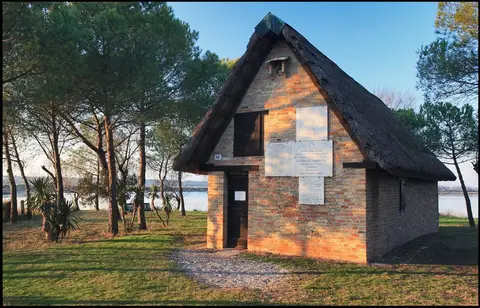
The nearest major airport is Bologna, which is a little over an hour away by train. The flat city center is ideal for pedestrians and cyclists. The seaside resorts of Marina di Ravenna and Lido di Classe are close by, as are the pine forests and lagoons of the Po Delta. Ravenna is most pleasant in spring and fall; in summer, the churches offer a cool refuge. A vacation in Ravenna combines well with beach days or a side trip to nearby Faenza, whose ceramics museum honors the town that gave faience its name. If you're getting around by bike, flat paths lead to Sant'Apollinare in Classe and the Pineta di Classe, an ancient pine forest described by both Dante and Lord Byron.