Discover Lecce: Baroque in Golden Stone
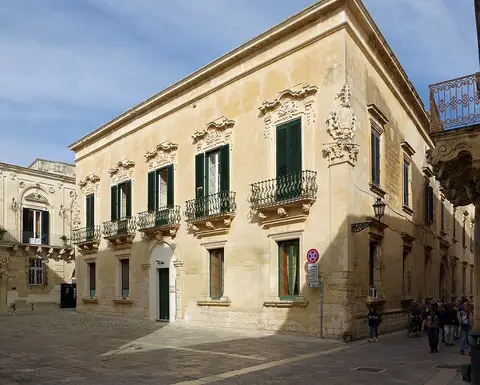
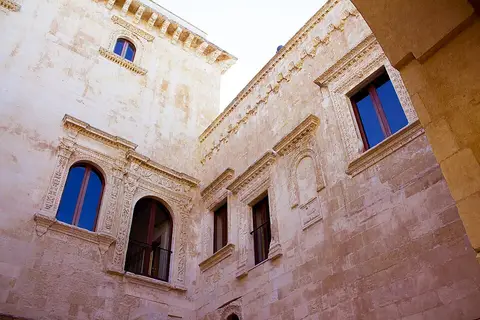
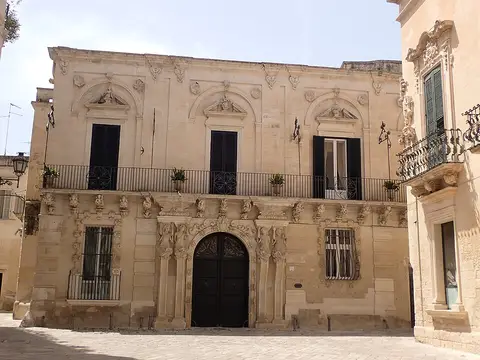
Travel guide · editorialThe soft, honey-colored limestone of the region was so easy to carve that 17th-century builders covered entire facades with vines, cherubs, and mythical creatures. That's why Lecce is known as the "Florence of the South," and a trip to Lecce makes the perfect start to a vacation in Salento, between the Adriatic and the Ionian Sea.
Romans and Baroque
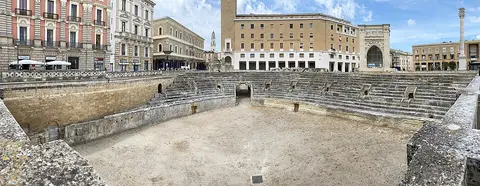
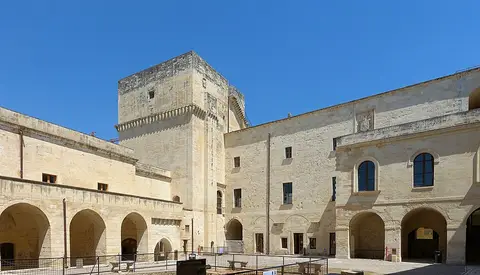
The Messapians already settled here, and the Romans called the city Lupiae. In the middle of the center lies a half-excavated Roman amphitheater that once seated thousands of spectators; a small Roman theater is just a few alleys away. The city reached its great heyday under Spanish rule in the 16th and 17th centuries, when religious orders, the nobility, and the church competed to build the most magnificent structures. Out of this grew the distinctive style known as Barocco leccese.
Sights in Lecce
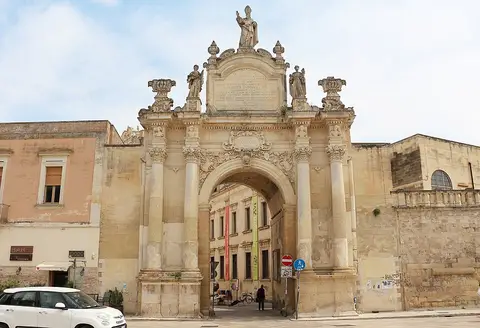
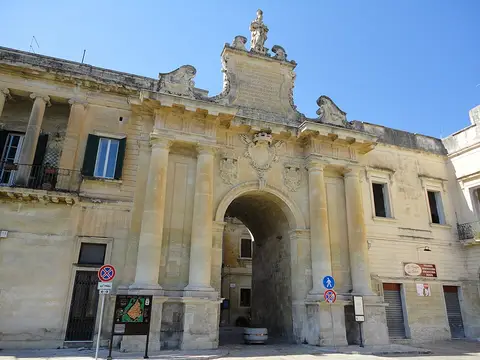
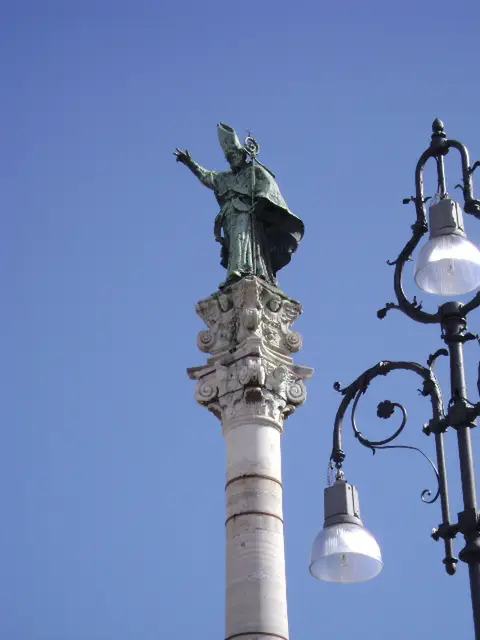
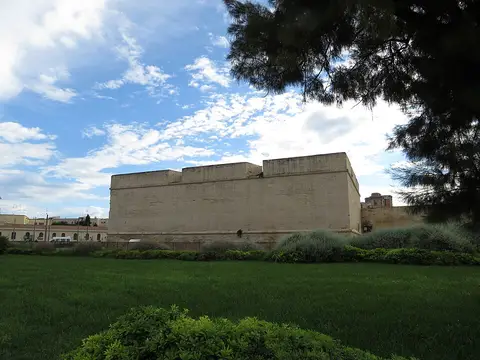
The Basilica of Santa Croce is the prime example: its facade teems with dragons, griffins, pelicans, and captive Turks, topped by a large rose window. The Piazza del Duomo is an almost fully enclosed courtyard with the cathedral, a tall bell tower, the bishop's palace, and the seminary, especially atmospheric when lit up in the evening. The central meeting point is Piazza Sant'Oronzo, with the amphitheater and the column of the city's patron saint. You enter the old town through the Porta Napoli, the Porta Rudiae, and the Porta San Biagio. The Museo Faggiano, set in a private home, reveals layers of Messapian, Roman, Templar, and medieval history that were discovered while a sewer pipe was being repaired.
Crafts, Food, and Nightlife
Lecce is famous for cartapesta, papier-mâché figures once made for churches and nativity scenes; in workshops in the old town you can watch the artisans at work. Culinarily, the pasticciotto, a shortcrust tartlet filled with vanilla custard, is the classic breakfast treat. You wash it down with a caffè leccese, espresso with ice and almond milk. Rustico leccese (filled puff pastry), ciceri e tria (pasta with chickpeas), and vegetables with olive oil from the groves of Salento shape the menus of Lecce's restaurants. In the evening, the alleys around Piazza Sant'Oronzo and Via Paladini fill with wine bars pouring Primitivo and Negroamaro.
Getting Around and Day Trips
The nearest airport is Brindisi, about 25 miles (40 km) to the north, with bus connections to Lecce. Lecce is the end of the line on the Adriatic railway, and express trains connect the city with Bari, Bologna, and Rome. The old town is compact and best explored on foot. Within half an hour you can reach the beaches on the Adriatic at San Foca and Torre dell'Orso, or Gallipoli and Porto Cesareo on the Ionian Sea. Otranto, with the mosaic floor in its cathedral, and Cape Santa Maria di Leuca, where the two seas meet, are popular day trips.
Best Time to Visit
May, June, September, and October are ideal. In August, Salento is packed, temperatures are high, and festivals featuring the folk music known as pizzica take place everywhere, including the "Notte della Taranta" in Melpignano. Winter is quiet and mild, and the old town belongs to the locals.