Discover Rimini: Beaches, Romans, and Fellini
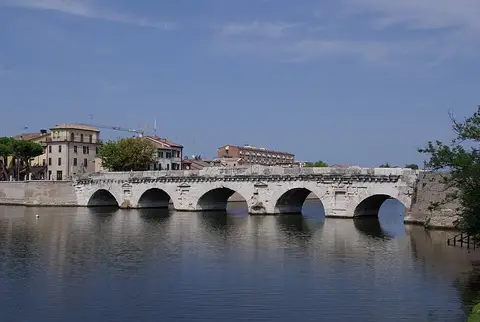
Travel guide · editorialMiles of sandy beaches, rows of colorful umbrellas, and an old town with two-thousand-year-old Roman monuments: Rimini is more than the epitome of the Italian beach vacation. If you're planning a vacation in Rimini, you can lie by the sea in the morning, stroll across the Bridge of Tiberius in the afternoon, and watch the sunset from one of the beach bars in the evening.
Roman Heritage and Renaissance
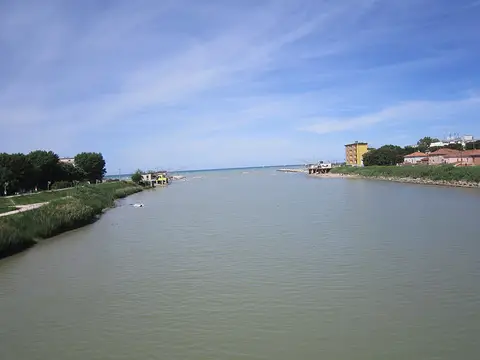
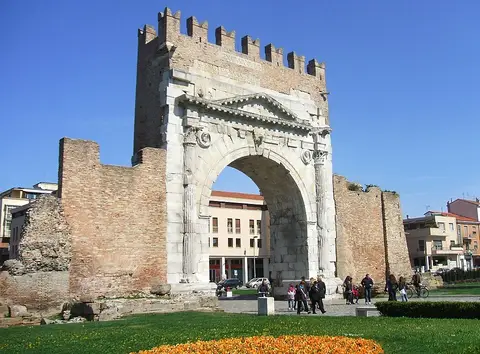
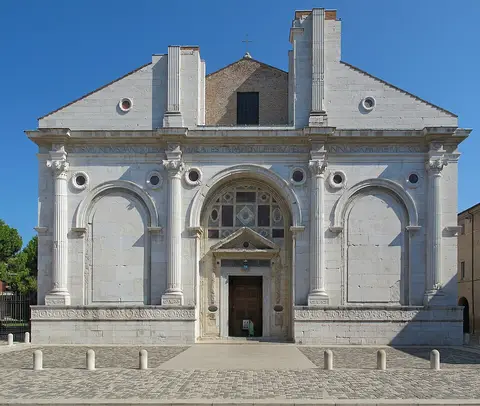
The Romans founded Ariminum in 268 B.C. as a hub at the end of the Via Flaminia and the start of the Via Aemilia. The Arch of Augustus, the oldest surviving Roman city gate in northern Italy, bears witness to that era, as does the Bridge of Tiberius, which people still walk across after almost two thousand years. In the 15th century, the Malatesta family ruled; Sigismondo Pandolfo Malatesta commissioned Leon Battista Alberti to build the Tempio Malatestiano, a key work of the early Renaissance that now serves as the cathedral. At the Museo della Città and the Domus del Chirurgo, the home of a Roman physician with more than a hundred surgical instruments, this history comes to life.
Sights in Rimini
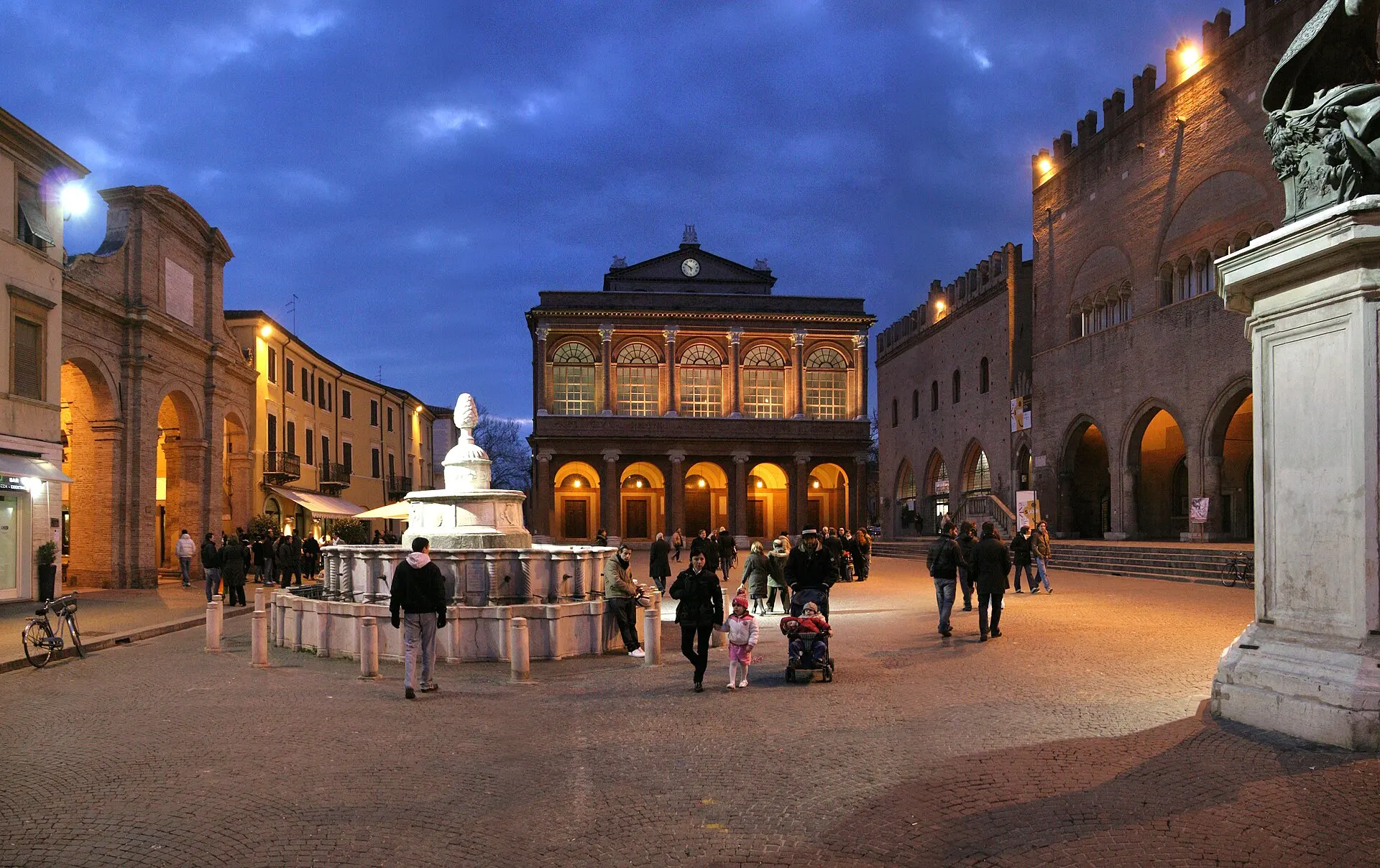
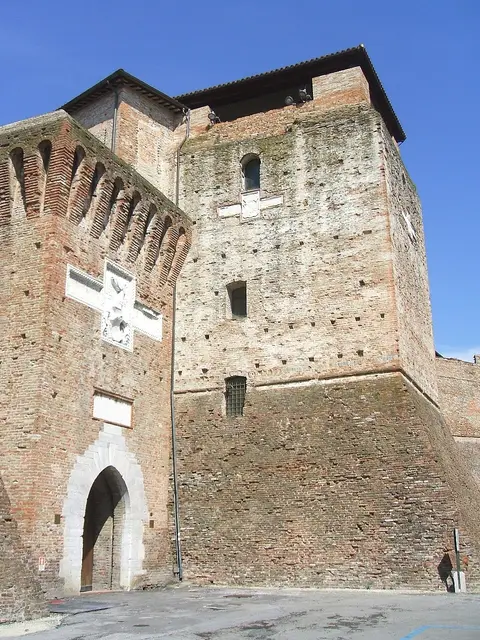
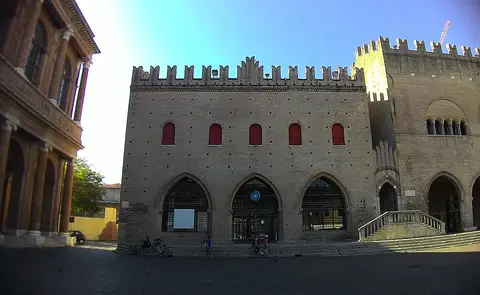
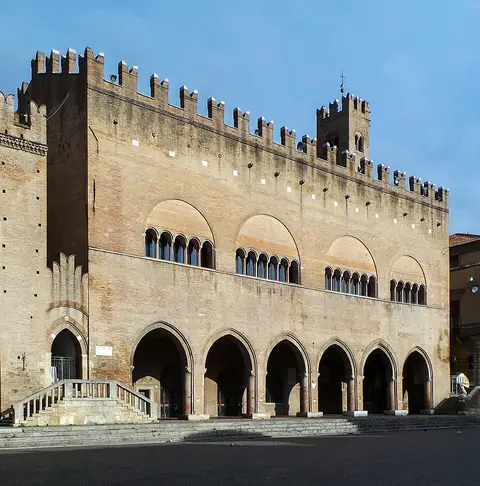
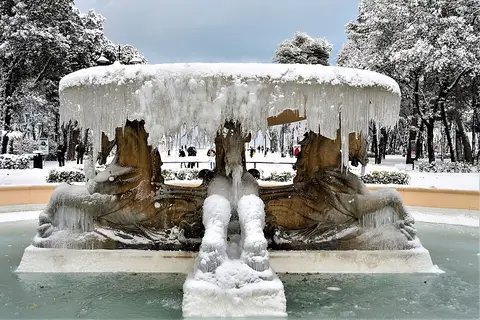
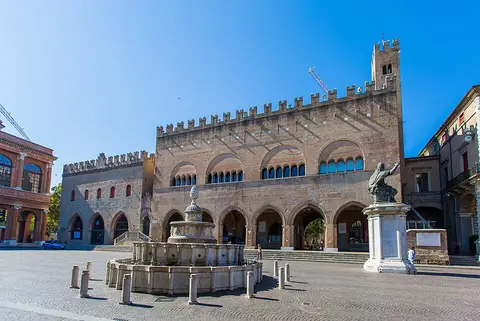
The center around Piazza Cavour, with its Fountain of the Fish and the Teatro Galli, which reopened in 2018 after decades as a war ruin, is compact and easy to explore on foot. Across the Bridge of Tiberius lies Borgo San Giuliano, a former fishing quarter with colorful houses and murals that pay tribute to Federico Fellini. The director was born in Rimini in 1920 and drew on his childhood memories in the film "Amarcord." The Fellini Museum is spread across Castel Sismondo, Palazzo del Fulgor, and Piazza Malatesta. By the sea, the Grand Hotel, dating from 1908, marks the elegant start of the beachfront promenade.
Beach and Nightlife
The sandy beach stretches about 9 miles (15 km) along the Adriatic, from Torre Pedrera in the north to Miramare in the south. The beach clubs, known as "bagni," are numbered and rent out lounge chairs and umbrellas, with free stretches in between. The water is shallow and kid-friendly, and many bagni have playgrounds, beach volleyball courts, and restaurants. Rimini and the neighboring Riviera Romagnola are also known for their nightlife: beach bars, discos in the hills, and, in summer, concerts and parties that go until morning. In early July, the whole coast celebrates the "Notte Rosa" with music and fireworks.
Eating in Rimini
The typical local dish is the piadina, a thin flatbread baked fresh at kiosks and filled with prosciutto, squacquerone cheese, and arugula. The Adriatic supplies sardines, mussels, and fried seafood, while the hinterland offers passatelli in broth, strozzapreti, and a robust Sangiovese. For fresh produce, head to the Mercato Coperto next to Castel Sismondo.
Getting Around and Day Trips
Federico Fellini Airport is small and served mainly seasonally; Bologna is about an hour away by train. The Metromare rapid bus connects Rimini with Riccione on its own dedicated route. The best time for a beach vacation is June through September, while the old town is also worth visiting in spring and fall. Day trips lead to the tiny state of San Marino, the fortress of San Leo, and the medieval town of Santarcangelo di Romagna.