Discovering Perugia: Etruscans, Chocolate, and Jazz
Travel guide · editorialThe capital of Umbria sits on a hill above the Tiber Valley, and if you want to get up there, you ride escalators through the vaults of an underground fortress. Perugia is a university town with Etruscan walls, Gothic palaces, and a reputation for chocolate and jazz. A trip to Perugia pairs perfectly with Assisi and the other hill towns of Umbria.
From the Etruscans to the Papal States
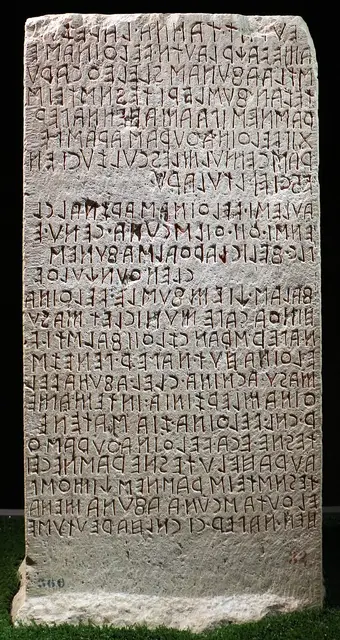
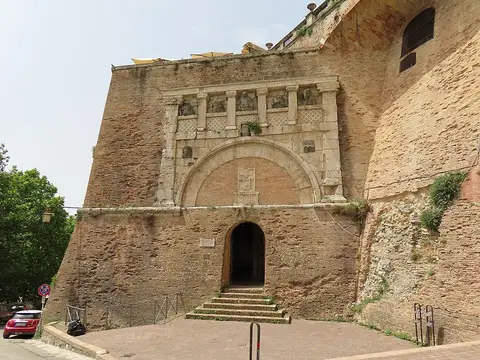
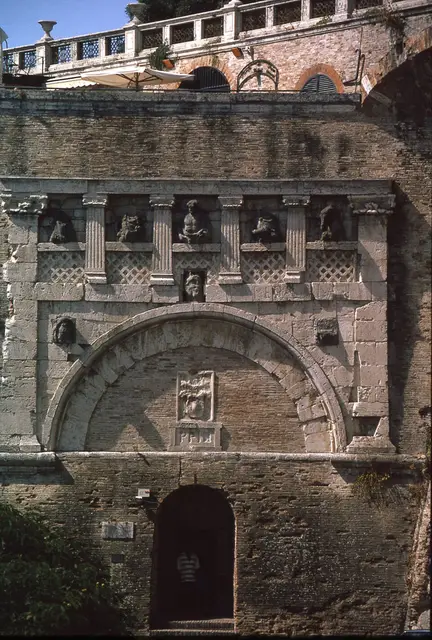
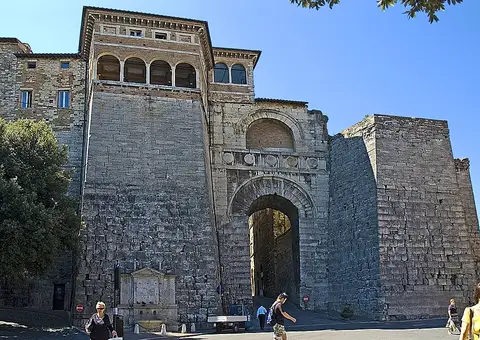
Perugia was one of the twelve cities of the Etruscan League; the Etruscan Arch, the Arco Etrusco, and parts of the city wall date from that era. Later Roman, then a self-assured commune in the Middle Ages, Perugia fell under papal rule in the 16th century. Pope Paul III had an entire neighborhood belonging to the rebellious Baglioni family built over and erected the mighty Rocca Paolina on top of it. After the unification of Italy, the Perugini tore down much of the hated fortress, but the underground lanes and houses survive.
Sights in Perugia
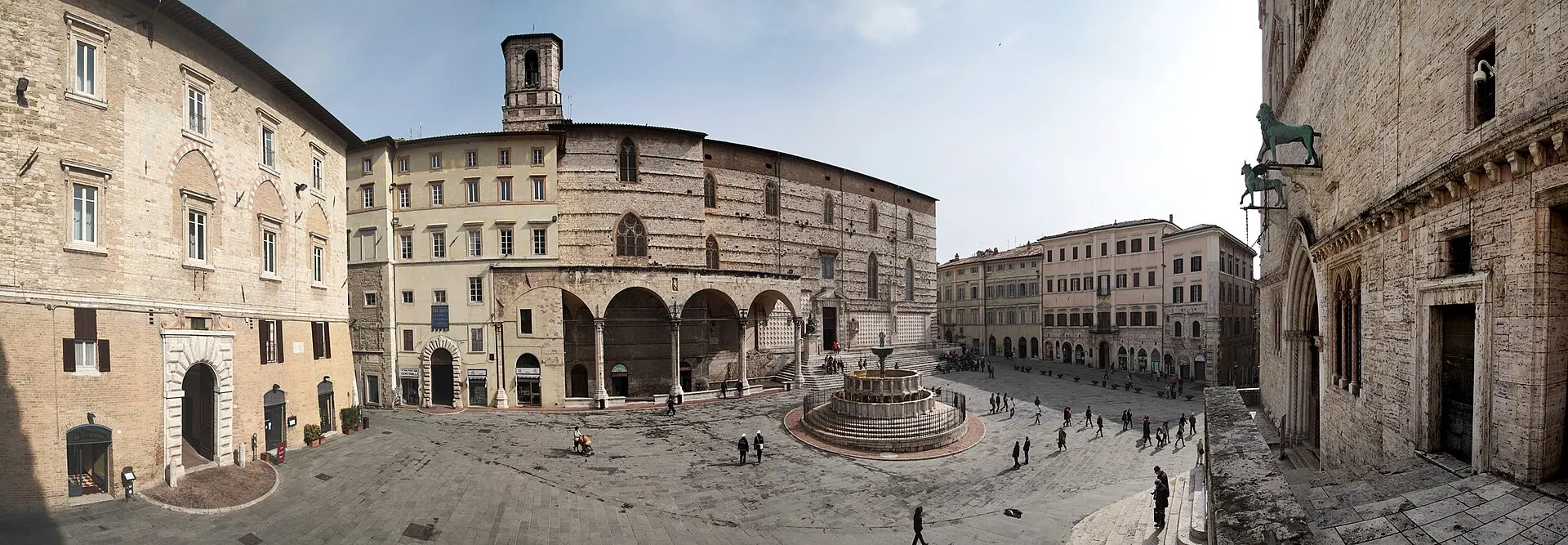
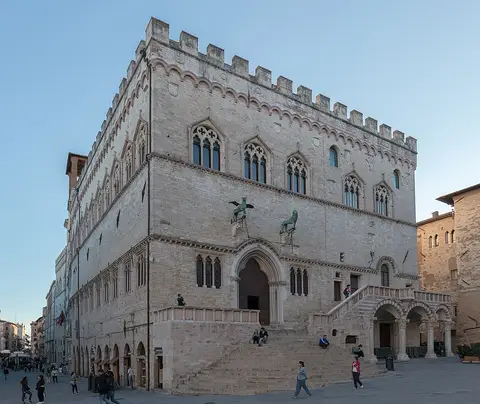
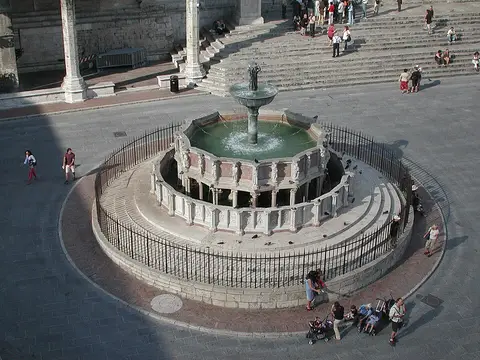
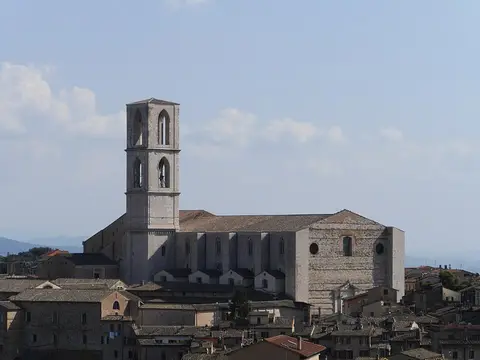
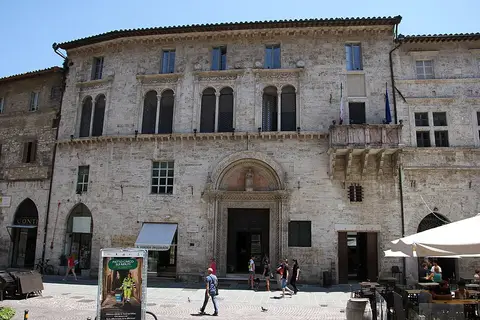
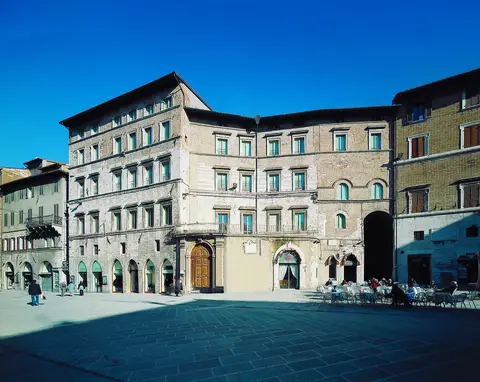
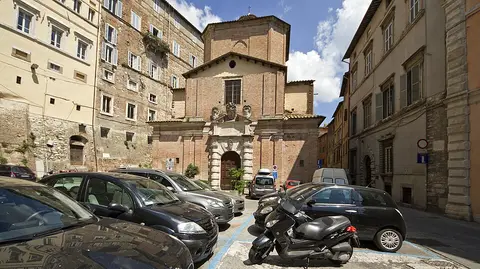
The heart of the old town is Piazza IV Novembre with the Fontana Maggiore, whose reliefs by Nicola and Giovanni Pisano depict the months, the sciences, and fables. Facing it are San Lorenzo Cathedral and the Palazzo dei Priori, where the Galleria Nazionale dell'Umbria shows works by Perugino, Piero della Francesca, and Fra Angelico. In the Collegio del Cambio, the seat of the money changers, Perugino, the teacher of Raphael, painted a magnificent hall of frescoes. Corso Vannucci is the city's promenade. Escalators lead down through the Rocca Paolina to Piazza Partigiani. The Giardini Carducci and the church of San Pietro with its slender bell tower offer lovely views.
Festivals and Culture
In July, Umbria Jazz turns the city into a stage, with concerts by international stars and free performances in the squares. In October, Eurochocolate draws those with a sweet tooth; the Baci chocolates with hazelnut and a love note inside come from Perugia. The Università per Stranieri has been teaching Italian to foreigners since the 1920s, which is why you hear many languages in the old town.
Eating in Perugia
Umbria is a landlocked region, and its cuisine revolves around olive oil, legumes, truffles, and pork. Porchetta, whole roasted and seasoned pig, is sold as sandwiches at stands, served with torta al testo, a flat flatbread. Strangozzi with black truffle, lentils from Castelluccio, and wine from Montefalco and Torgiano round out the menu.
Getting Around and Day Trips
The small San Francesco airport is about twelve kilometers to the east. From the train station down in the valley, the fully automated Minimetrò carries visitors up to the edge of the old town. If you have a car, it's best to park down below and use the escalators. Assisi is just 25 kilometers away, and Spello, Gubbio, and Lake Trasimeno are equally worthwhile. The best time to visit is April through June and in the fall, when the olive harvest begins and you can taste fresh, greenish, peppery oil at the oil mills. Summer days are hot, but a cool breeze often blows on the hill in the evening. If you want to combine a Perugia vacation with nature, hike through the hills to Monte Tezio or cycle along the shore of Lake Trasimeno, whose islands are home to fishing villages and olive groves.