Discover Taranto: Two Seas and Magna Graecia
Travel guide · editorialTaranto sits between two seas: the open Mar Grande and the lagoon-like Mar Piccolo, connected by a canal spanned by a swing bridge. The old port city on the Gulf of Taranto is less touristy than other places in Puglia, yet it has one of Italy's most important archaeological museums. A trip to Taranto reveals a city in transition, with a great heritage and rough-around-the-edges charm.
A Spartan Colony
In the 8th century B.C., Spartans founded the city of Taras, which rose to become the wealthiest metropolis of Magna Graecia. The philosopher Archytas, a friend of Plato, ruled here. After the Romans came the Byzantines, Saracens, Normans, and Aragonese. In the 19th century, Taranto became the main base of the Italian navy, and in the 20th century one of Europe's largest steelworks was built here; its future and environmental impact are still debated today.
Sights in Taranto
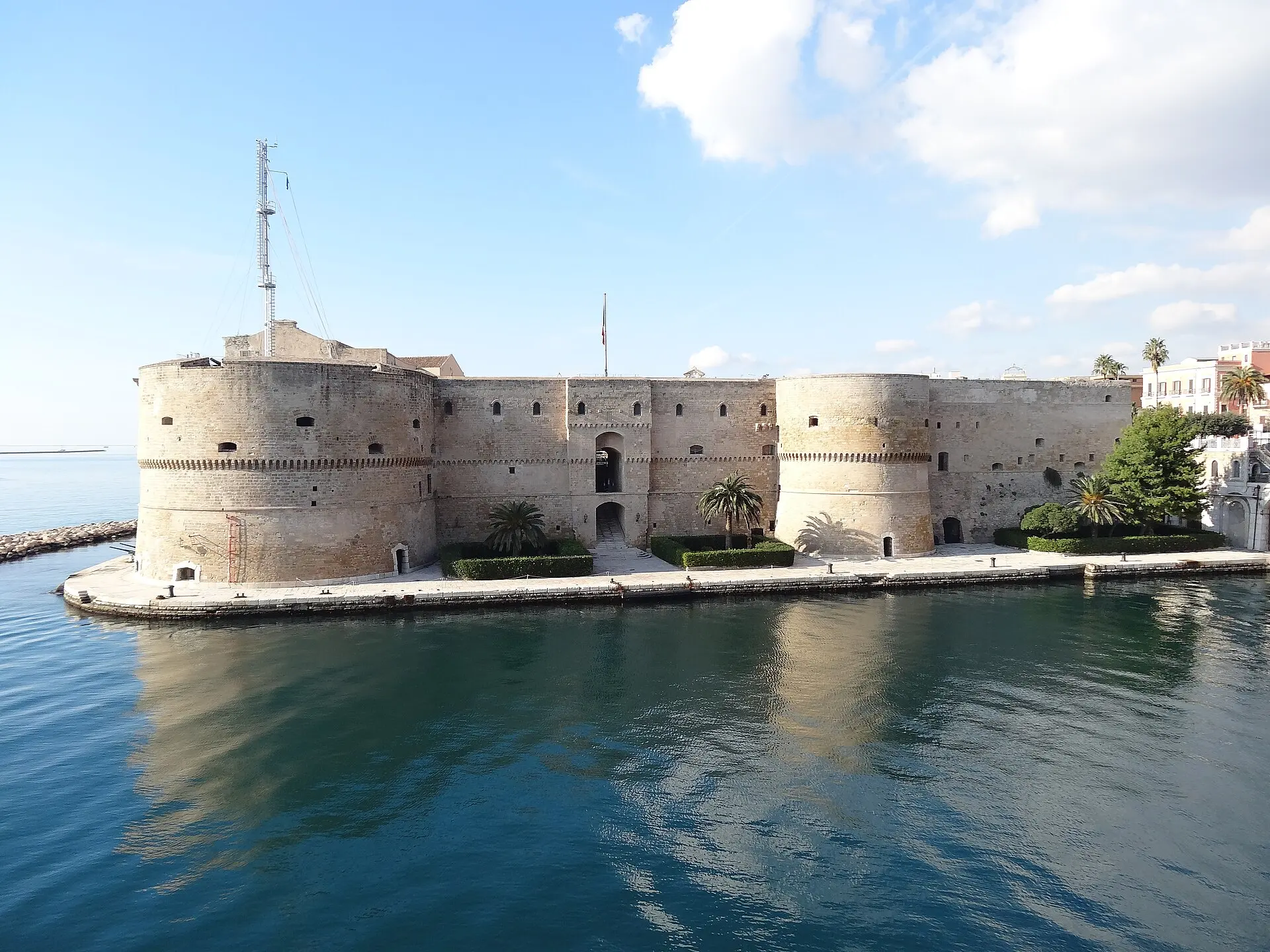
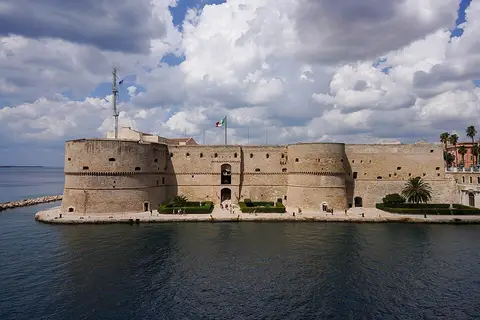
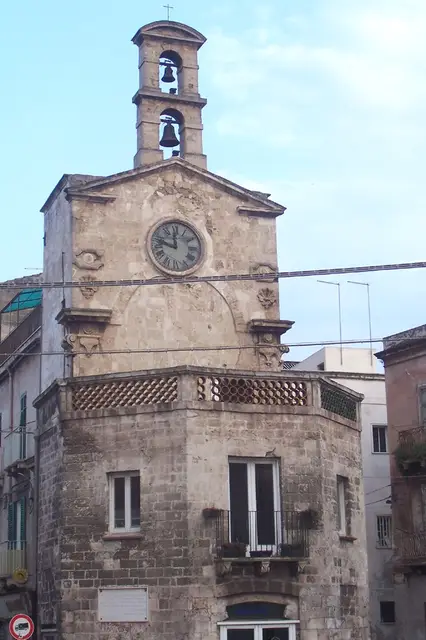
The Museo Archeologico Nazionale, or MArTA for short, displays gold jewelry, vases, terracotta figures, and sculptures from the Greek era; the "Ori di Taranto," delicate filigree gold jewelry, are considered unique. The old town lies on an island between the two seas. Here you'll find San Cataldo Cathedral, one of the oldest in Puglia, with a magnificent Baroque chapel, and two Doric columns from a temple dating to the 6th century B.C. The Aragonese Castle on the canal is run by the navy, which offers free guided tours. The swing bridge opens when warships enter the Mar Piccolo, a spectacle you can watch from the waterfront. Renovation work has been underway in the old town for several years, but many alleys are still marked by decay.
Eating in Taranto
The Mar Piccolo is famous for its mussels, which have been farmed here for centuries. The "cozze tarantine" are served raw, baked with a breadcrumb topping, or with pasta. You'll also find oysters, sea urchins, and fish, which you can buy at the old town's fish market. Orecchiette and focaccia are as common here as in the rest of Puglia. A Primitivo di Manduria from the hinterland pairs well with the meal.
Festivals and Culture
Holy Week is especially impressive in Taranto: hooded brotherhoods process through the streets for hours in slow, swaying steps, accompanied by funeral marches. In May, the city celebrates its patron saint, San Cataldo, with a procession on the sea.
Getting Around and Best Time to Visit
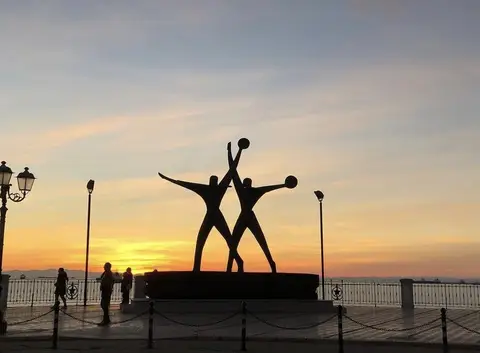
The nearest airports are Brindisi and Bari, both a good hour away; buses and trains connect them with Taranto. Buses run within the city, and you explore the old town island on foot. The beaches along the Ionian coast, such as Lido Silvana or Marina di Pulsano, are reachable by car in half an hour. Day trips lead to Grottaglie with its ceramics workshops, to Martina Franca in the Valle d'Itria, and to Matera. The best times to visit are May, June, September, and October, when the sea is warm and the sun isn't yet scorching. If you want to experience the Holy Week processions, book early, as many Italians travel here then too. A stroll along the Lungomare Vittorio Emanuele III with a view of the Mar Grande and the Cheradi Islands at sunset is one of the loveliest moments of a trip to Taranto.