Discover Bologna: Arcades, Towers, and Tortellini
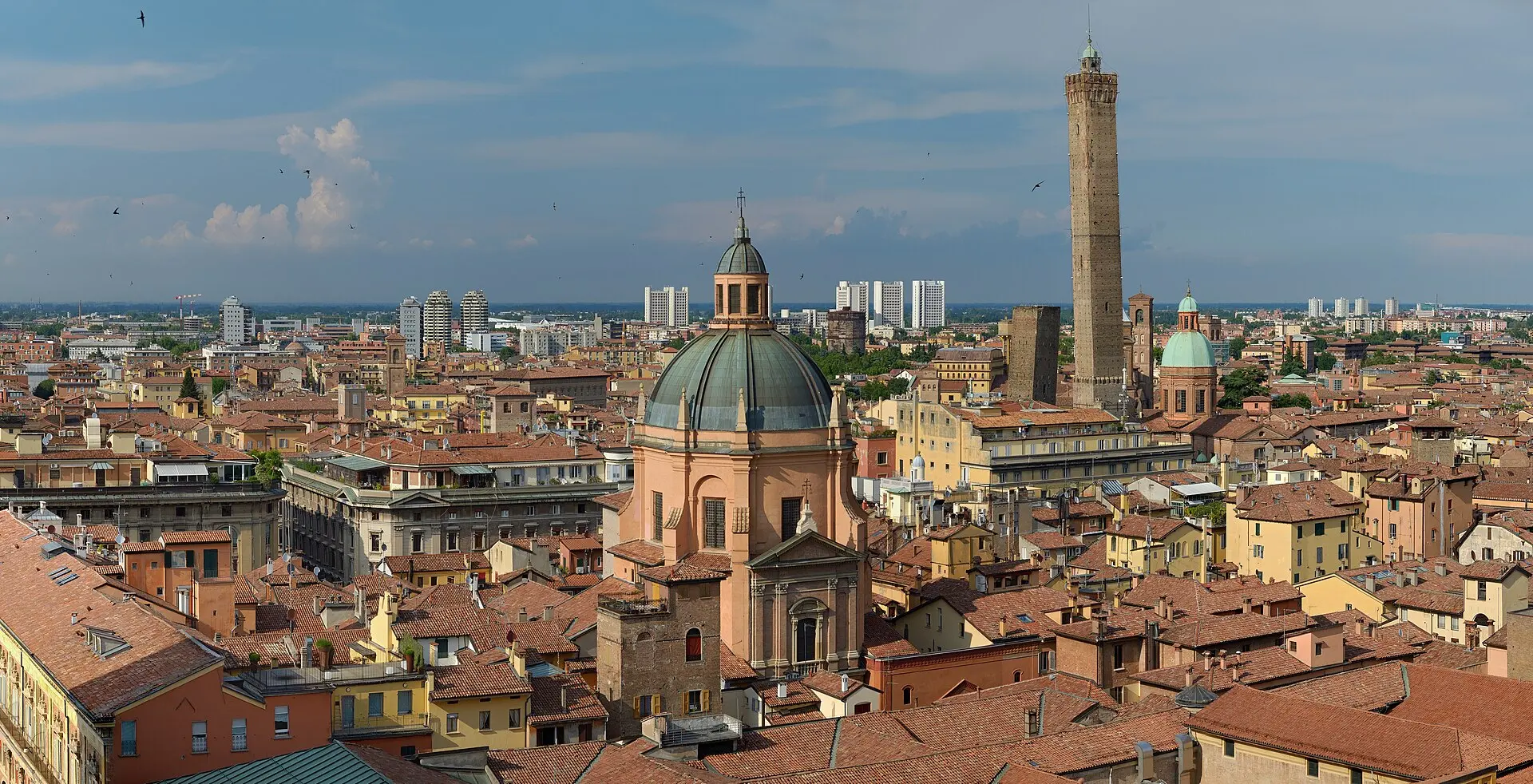
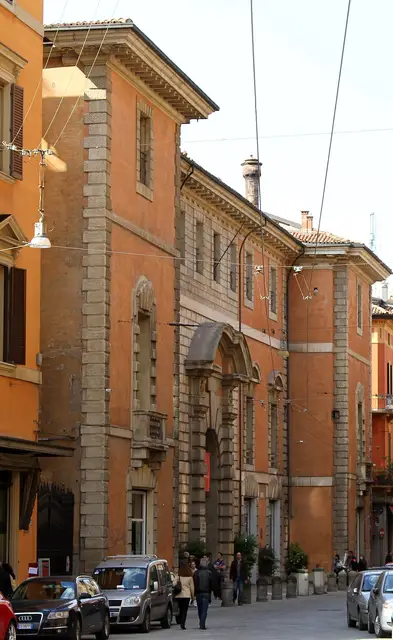
Travel guide · editorialAbout 60 kilometers of arcades, red brick facades, and the aroma of ragù drifting from kitchens: Bologna goes by the nicknames "la dotta, la grassa, la rossa" – the learned, the fat, the red. A city break in Bologna is ideal if you want to combine art, student life, and great food.
University and Towers
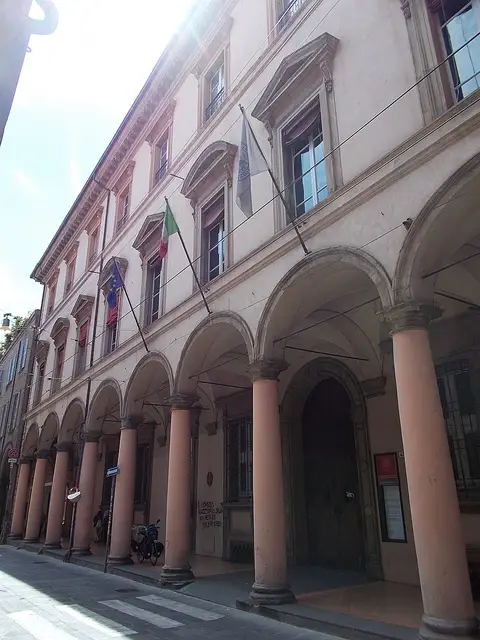
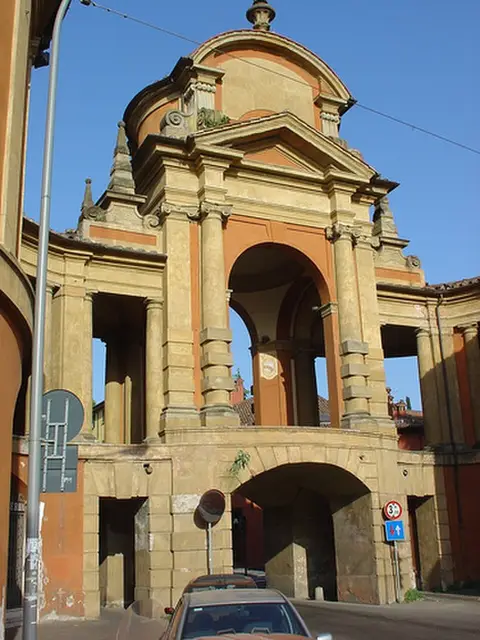
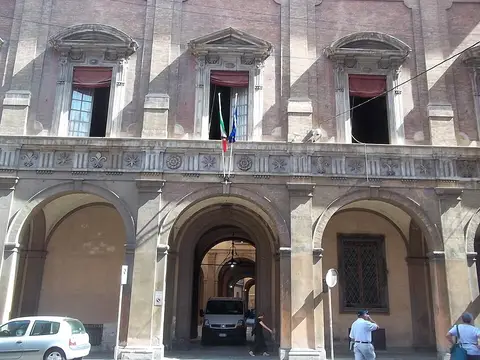
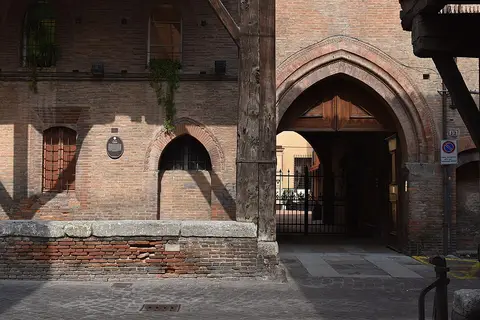
Founded in 1088, the university is considered the oldest in Europe; Dante, Petrarch, and Copernicus all studied here. In the Middle Ages, wealthy families built more than a hundred noble towers, of which about twenty survive. The arcades came about because people extended living space out over the streets – for students and craftsmen. Since 2021, the porticoes have been a UNESCO World Heritage Site, including the nearly four-kilometer-long covered walkway up to the pilgrimage church of San Luca.
Sights in Bologna
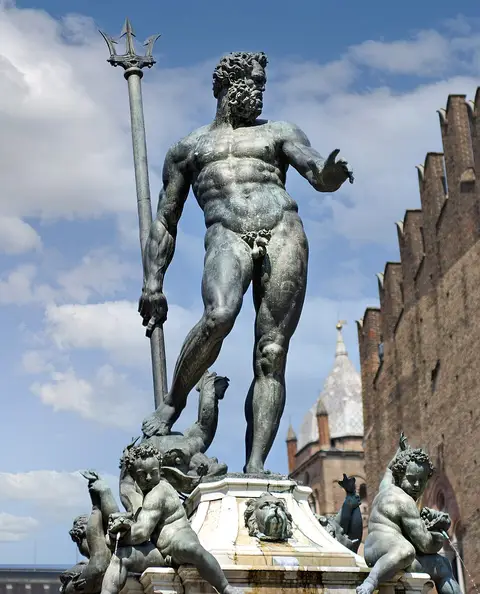
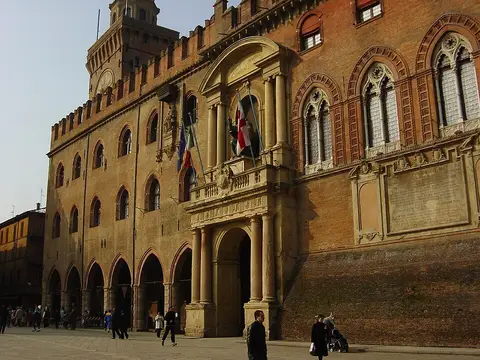
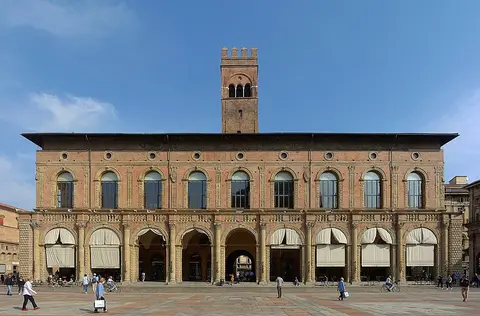
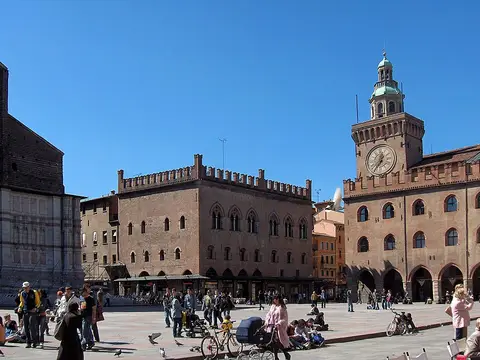
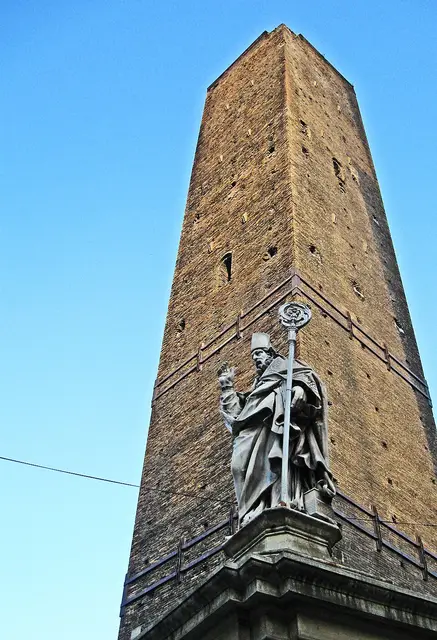
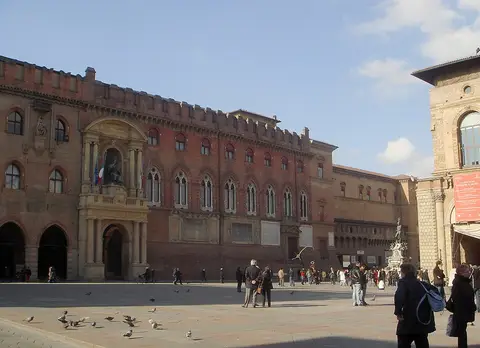
Piazza Maggiore, with the Palazzo d'Accursio and the Fountain of Neptune, is the city's living room. Next to it rises the Basilica of San Petronio, whose facade was never completed and whose floor contains a long meridian line. Of the Due Torri, the Asinelli Tower can normally be climbed, while the leaning Garisenda is currently being stabilized, so access is sometimes restricted. In the Santo Stefano district you'll find the complex known as the "Seven Churches," an intricate ensemble of Romanesque buildings. At the Archiginnasio, the old university building, the wooden Anatomical Theater is impressive. An unexpected view opens up at the little window on Via Piella, which looks onto one of the few canals still visible.
Museums and Culture
The Pinacoteca Nazionale shows works of the Bolognese school, including the Carracci and Guido Reni, while MAMbo presents modern art in a former bakery. The Museo Civico Archeologico holds a significant Egyptian collection. The university museums in Palazzo Poggi combine science with a cabinet of curiosities. Bologna is also a UNESCO City of Music with a lively concert scene.
Eating in Bologna
Here the ragù isn't called "Bolognese," and it comes with tagliatelle, never spaghetti. Tortellini are traditionally served in broth, lasagne verde is baked with spinach dough, and mortadella comes from here, too. In the Quadrilatero, the medieval market district behind Piazza Maggiore, delis sell Parmigiano, ham, and fresh pasta; the Mercato delle Erbe is the covered market. Restaurants in Bologna range from simple osterie to refined trattorias – and thanks to the students, prices are often moderate. A Lambrusco or a Pignoletto from the surrounding hills goes well with it all.
Neighborhoods and Nightlife
In the evening, students gather on Via Zamboni and at Piazza Verdi in the university district, in the San Donato-San Vitale borough. Cozier is Via del Pratello in the Porto-Saragozza district, with its pubs and osterie. At aperitivo time, the lanes around the Quadrilatero fill up, as the delis set tables out on the street in the evening and serve charcuterie platters with wine. In summer, life moves outdoors: on Piazza Maggiore, an open-air cinema called "Sotto le stelle del cinema" screens restored film classics, and concerts take place in the parks. It's quieter to the west in Borgo Panigale-Reno, where the Ducati Museum draws motorcycle fans, and to the north in the Navile district, with its former industrial buildings that now house cultural centers and clubs.
Getting Around and Best Time to Visit
The airport lies only a few kilometers to the northwest and is connected to the main train station by the Marconi Express monorail. Bologna is a rail hub: Florence is about 40 minutes away by high-speed train, Milan about an hour. The center is compact and, thanks to the arcades, easy to explore on foot even in rain or heat. It's most beautiful in spring and fall; in August many restaurants close for vacation. Day trips lead to Modena, Parma, Ravenna, or Ferrara. All can be reached by regional train in under an hour and a half, which makes Bologna a good home base for the whole Emilia-Romagna region. If you walk up to San Luca, allow about an hour and you'll be rewarded with a view over the hills all the way to the Apennines.