Sardinia: The Emerald Coast, Nuraghi, and Shepherd Country
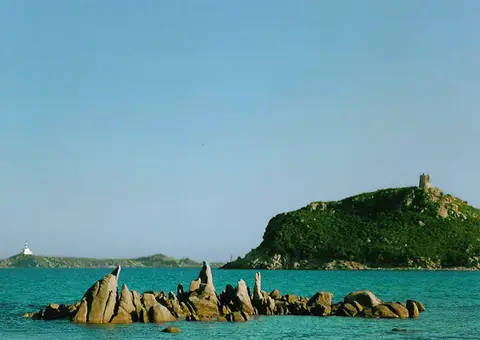
Travel guide · editorialTurquoise water over white sand, rounded granite boulders, and an interior where shepherds still drive their flocks: Sardinia is the second-largest island in the Mediterranean, and it has a character all its own. A vacation in Sardinia takes you to Bronze Age towers, fishing towns with a Catalan heritage, and some of the most beautiful beaches in Europe.
An Island Apart
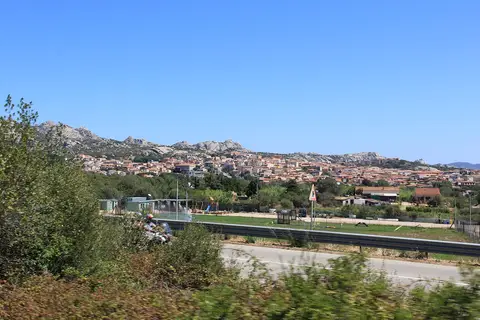
Sardinia lies about 200 kilometers off the Italian mainland and just twelve kilometers south of Corsica. The island is geologically ancient; its mountains are worn down but rugged. In the east, the Gennargentu massif rises to Punta La Marmora, the island's highest point, and is cut by gorges such as the Gola di Gorropu. In the northeast, granite formations shape the Gallura region, while the west has lagoons where flamingos wade and the sand dunes of Piscinas. Sardinian is considered a language in its own right, which is why place signs are often bilingual, such as Aristanis for Oristano or Alzachèna for Arzachena. The island is an autonomous region with special rights.
Cagliari and the South
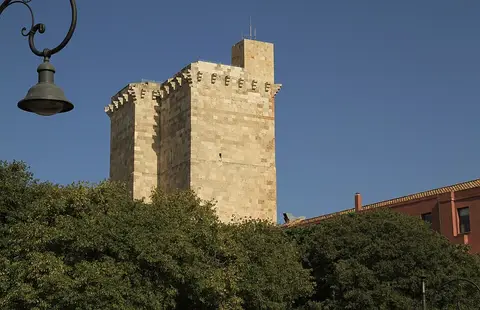
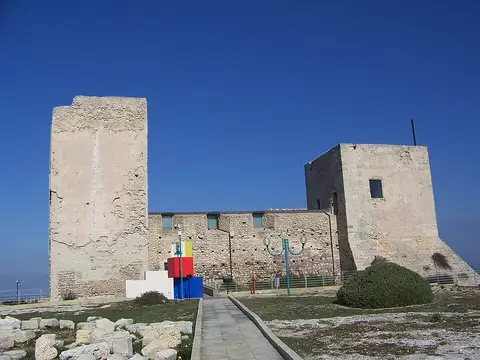
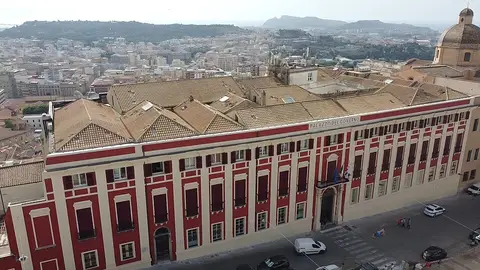
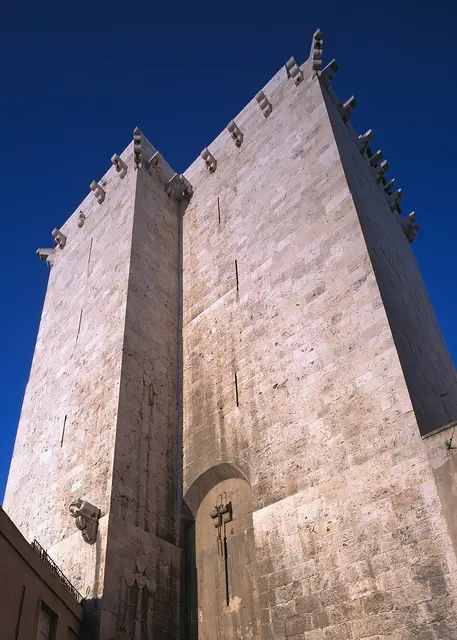
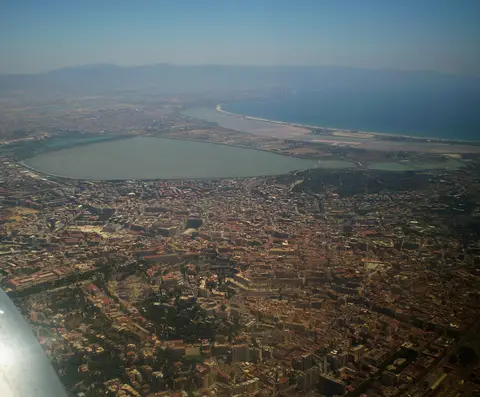
Cagliari, called Casteddu in Sardinian, sits on a wide bay. Above the harbor, the Castello district looms with its cathedral, bastions, and views over the salt pans where flamingos breed. The Archaeological Museum displays the bronze statuettes of the Nuragic era and the Giants of Mont'e Prama, large stone figures. The city beach, Poetto, stretches for many kilometers to Quartu Sant'Elena. To the southwest you'll find the ruins of Nora with its mosaics and a theater by the sea, the Chia coast with its dunes and lagoons, and the Sulcis-Iglesiente mining region with its abandoned mines and the Pan di Zucchero rock off Masua.
Sights in Sardinia
More than 7,000 nuraghi, conical stone towers from the Bronze Age, are scattered across the island. The most significant site, Su Nuraxi near Barumini, is a World Heritage Site. There are also giants' tombs and sacred wells such as Santa Cristina. Oristano on the west coast is the starting point for the Punic-Roman city of Tharros on the Sinis Peninsula and for the Sartiglia equestrian festival held during Carnival. Inland, the Barbagia region is worth a visit, with Orgosolo and its political murals, as well as Mamoiada, where the Mamuthones dance during Carnival in sheepskins and wooden masks. The Gulf of Orosei on the east coast, with Cala Goloritzè and Cala Luna, can only be reached by boat or on foot.
Northern Sardinia: Olbia, the Costa Smeralda, and Alghero
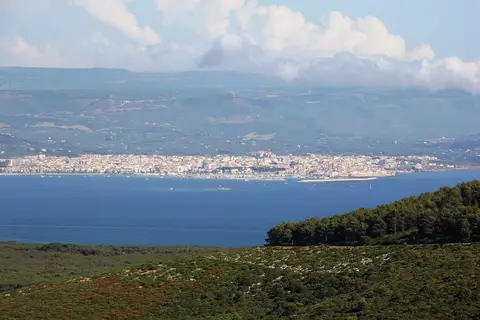
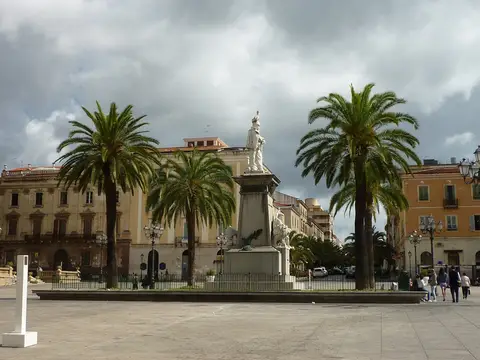
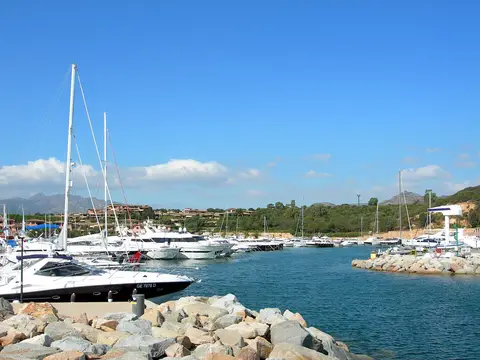
Olbia is a ferry port and airport, and for many visitors the point of arrival. To the north lies the Costa Smeralda, developed as a luxury destination by the Aga Khan in the 1960s, with Porto Cervo as the center of the yacht scene. Arzachena is the main town of the area, and Palau is the ferry port for La Maddalena National Park. South of Olbia, San Teodoro, called Santu Diadòru in Sardinian, is popular for its La Cinta beach and lively summer nights. Sassari, the second-largest city, is a university town known for the Festa dei Candelieri in August. Alghero on the northwest coast was settled by Catalans in the 14th century; some residents still speak a Catalan dialect today. The old town with its sea walls is gorgeous, and nearby are Neptune's Grotto at Capo Caccia and the beach at Stintino, La Pelosa, where access is restricted.
Food and Drink
Sardinian cuisine is more shepherd's fare than fisherman's. Porceddu, suckling pig roasted over an open fire, is the festive dish, served with pane carasau, a paper-thin, crispy flatbread. Culurgiones, dumplings filled with potato, pecorino, and mint, malloreddus with sausage ragù, and fregola with clams are typical. Pecorino Sardo and Fiore Sardo are the best-known sheep's cheeses. Bottarga, dried mullet roe from Cabras, is grated over pasta. For dessert there are seadas, fried cheese pastries drizzled with honey. Cannonau and Vermentino di Gallura are the best-known wines, and mirto, a myrtle liqueur, is the traditional way to end a meal.
Getting There and Best Time to Visit
Cagliari, Olbia, and Alghero are served by direct flights from many cities in summer. Ferries reach Olbia, Golfo Aranci, and Porto Torres from Genoa, Livorno, and Civitavecchia. On the island, a rental car is almost essential, since buses and trains are slow. The best time to visit Sardinia is May, June, and September: the sea is warm, the macchia is fragrant, and prices are lower. In July and August the beaches of the Costa Smeralda are crowded and accommodations are expensive; in winter many resort towns close down, while the villages in the interior celebrate their festivals.